The UN pays tribute to humanitarian workers on World Humanitarian Day
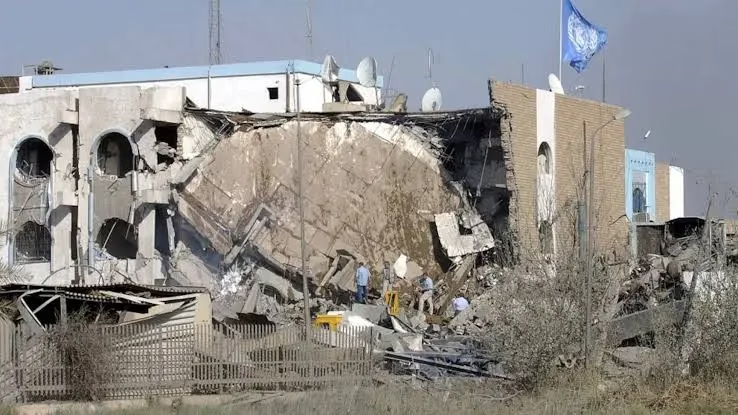
In a solemn ceremony held in Geneva, the United Nations commemorated World Humanitarian Day, remembering the courage and sacrifice of those who have lost their lives while carrying out their aid work in conflict and crisis zones globally. The event marks the 23rd anniversary of the tragic attack on the UN complex in Baghdad, Iraq, which occurred in 2003.
The attack, which took place on August 19, claimed the lives of 22 people, including the renowned Brazilian diplomat Sergio Vieira de Mello, who served as High Commissioner for Human Rights and special representative of the UN in Iraq. In memory of the fallen, the organization’s flags flew at half-mast in Geneva, New York, and various offices around the world.
A wake-up call regarding growing insecurity
During the ceremony, diplomatic representatives and family members of the victims paid tribute before a flag recovered from the rubble of the attack in Baghdad. However, the commemoration also served as a platform to denounce the alarming escalation of violence against humanitarian personnel in recent years.
More than 1,010 humanitarian workers have been killed in the last three years, a figure that triples the records of the previous period. This reality demands urgent protection measures and greater recognition for those who risk their lives in emergency settings.
Tatiana Valovaya, Director-General of the UN Office at GenevaHighest risk areas for humanitarian personnel
The UN pointed out that the dangers its personnel faced two decades ago persist today with greater intensity. According to official data, the current landscape is critical, highlighting the following figures from the last year:
- 350 humanitarian workers killed.
- 322 people injured in the line of duty.
- 235 workers kidnapped.
Among the regions identified as high-risk, where the demand for assistance is vital but security is precarious, are Gaza, the West Bank, Sudan, South Sudan, Ukraine, and the Democratic Republic of the Congo. The organization reaffirms its commitment to continue bringing aid to vulnerable communities, while demanding guarantees for the protection of its teams on the ground against detentions, attacks, and unjustified restrictions.