
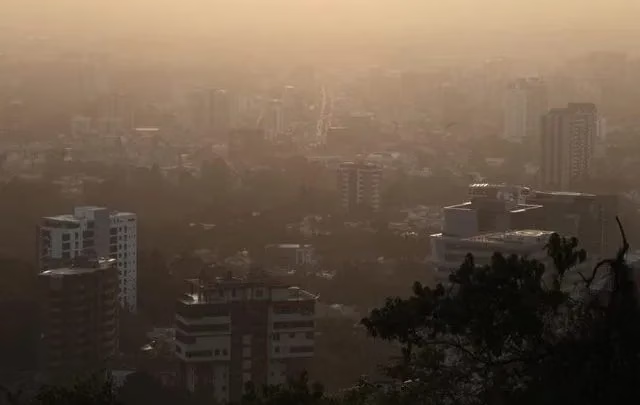
The peak season for Sahara dust incidence in the Caribbean comes to an end
Weather analyst Jean Suriel has confirmed that the season of highest presence of Saharan dust in the Caribbean region has come to an end. This phenomenon, which annually impacts the atmospheric conditions of the Dominican Republic, will begin to show a significant decrease in the concentrations of particles coming from North Africa.
Historically, the transport of this mineral material intensifies during the hottest months, coinciding with the most active stage of the hurricane season. In the Dominican territory, the period of highest concentration usually extends from May to August, with possible residual incursions during the month of September.
Effects on climate and visibility
The presence of Saharan dust notably alters the meteorological environment. Among the most common consequences detected by Alofoke Deportes are:
- A grayish, hazy, or dull appearance in the sky.
- Reduction in cloud formation and limitation of precipitation.
- Maintenance of extreme heat conditions in much of the country.
Although concentrations may decrease, it is essential to maintain health precautions, especially for people with pre-existing conditions who are vulnerable to air quality.
Alofoke Deportes
Health recommendations regarding the phenomenon
Despite the end of this critical stage, public health authorities continue to call for public attention. Exposure to these mineral particles can aggravate respiratory conditions, such as asthma, allergies, and chronic obstructive pulmonary disease (COPD).
Higher-risk groups, which include children, the elderly, pregnant women, and immunocompromised individuals, should continue to monitor their health, as even though the main season has concluded, the possibility of isolated episodes of Saharan dust in the coming months cannot be ruled out.