
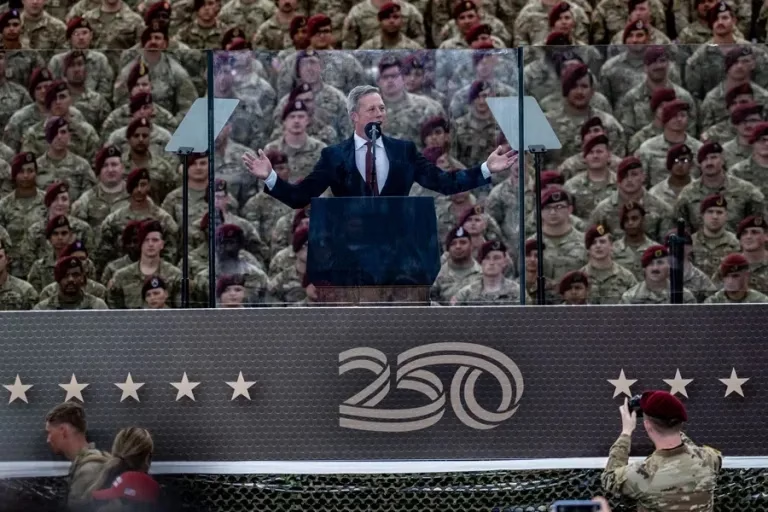
Pentagon Crisis: Army Secretary Dan Driscoll resigns
In a move that shakes the United States defense structure, Dan Driscoll has submitted his resignation as Secretary of the Army to President Donald Trump. This decision comes after a prolonged period of internal friction with the Secretary of War, Pete Hegseth, centered primarily on the restructuring of command within the institution.
Driscoll’s departure from the Pentagon is expected to take effect over the coming days. This scenario leaves the Army in a situation of uncertainty, lacking civilian or military leaders who have official Senate confirmation, a power vacuum that has not yet been resolved by the current administration.
Strategic differences and changes in command
According to internal reports, Hegseth’s management has been the breaking point for Driscoll. The now-former secretary had expressed on several occasions his disagreement with the dismissals of high-ranking military officials, arguing that these actions compromised the Army’s readiness and operational disposition.
Among the most controversial moves made by Hegseth, the removals from their positions of key figures stand out, such as:
- General Christopher Donahue.
- General Randy George.
- Former Vice Chief of Staff of the Army, James Mingus.
Replacing these figures, General Christopher LaNeve has been appointed to absorb multiple responsibilities, a decision that has sparked debate regarding control and hierarchy within the institution.
The White House has recognized Driscoll’s work, highlighting his focus on readiness, force lethality, and his active participation in highly relevant international negotiation processes.
Anna Kelly, White House spokesperson
More changes on the horizon
Driscoll’s resignation is not the only significant loss in the Defense sector. It has been confirmed that the acting Under Secretary of the Army, Dave Fitzgerald, will also leave his post this week. Fitzgerald had played a fundamental role in the strategy for attracting private investment aimed at the technological modernization of the Defense area, which represents another significant change in the Trump administration.
At the moment, the White House has not issued statements on whether Driscoll’s resignation has been officially accepted, nor has it announced who will be in charge of assuming these strategic positions on an interim or permanent basis.