Senate approves law to ban import of products made with forced labor
In a session held in the municipality of Bonao, Monseñor Nouel province, the Senate of the Republic unanimously approved the bill that prohibits the importation of goods produced through forced labor. The legislative piece, proposed by Senator Félix Bautista, seeks to strengthen the country’s labor standards and optimize the competitiveness of Dominican exports.
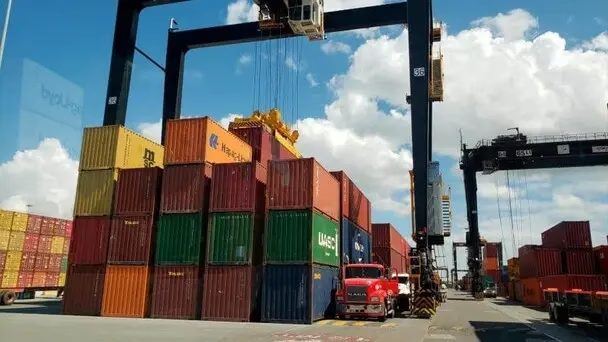
The new regulation establishes a strict regulatory framework to prevent, identify, and block the entry into the national market of products that have been extracted, processed, or manufactured, in whole or in part, under conditions of servitude or coercion. This measure aligns with the international conventions of the International Labour Organization (ILO).
Economic impact and international competitiveness
One of the strategic objectives of this legislation is to improve the position of the Dominican Republic in the United States market. Previously, the lack of a specific law on this matter penalized local exporters with an additional 2.5% tariff.
The implementation of this law will allow the Government to manage the elimination of that tariff surcharge, which translates into an estimated annual savings of 180 million dollars for the Dominican export sector.
Alofoke DeportesDefinition and application of the regulations
The law defines forced labor as any work required under threats, punishment, or without the worker’s voluntary consent. To detect these practices, the regulations detail specific indicators, among which the following stand out:
- Restriction of movement and isolation.
- Retention of identity documents or wages.
- Debt bondage and abusive working conditions.
- Intimidation, physical or sexual violence.
- Abuse of vulnerability and deception.
The execution of this public policy will be supervised by an inter-institutional commission composed of the Ministry of Industry, Commerce and MSMEs (MICM), the Ministry of Labor, the Ministry of Foreign Affairs, and the General Directorate of Customs. These entities will be responsible for defining the technical protocols through the corresponding implementing regulations.