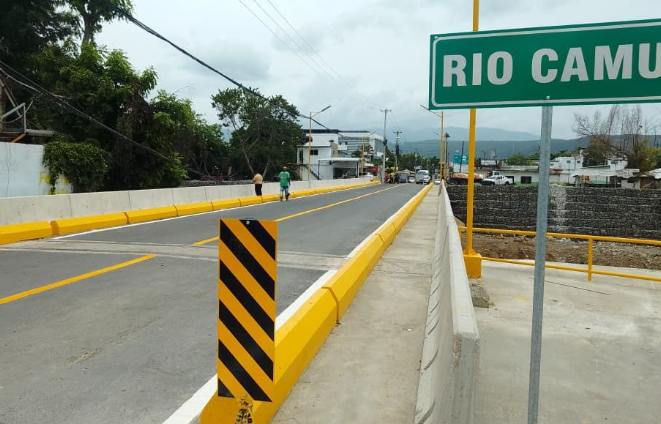
Public investment in the Dominican Republic reaches record figure in the first half of 2026
The Ministry of Finance and Economy reported that public investment in the country experienced historic growth during the first six months of 2026. Public investment projects (PIP) totaled RD$60,644.1 million, marking the highest record for a first semester in the last seven years.
This financial performance is broken down into RD$51,358.2 million executed under traditional financing mechanisms and RD$9,285.9 million managed through public trusts. According to the entity, these results reflect a management focused on addressing social demands and stimulating national economic growth.
Figures that exceed expectations
The official execution report highlights that the amount reached exceeds by 47% the historical average recorded in the first semesters since 2019. When analyzing the pace of investment, a notable increase is observed between quarters:
- First quarter: RD$19,711.4 million.
- Second quarter: RD$31,646.9 million.
- Year-on-year growth: A 36% increase compared to the same period in 2025.
At the end of June, the budget execution level stood at 43.8%, exceeding the historical average of 38.8%. In terms of Gross Domestic Product (GDP), this investment represented 1.3%, which is an increase of 0.3 percentage points compared to the previous year.
Public investment is consolidated as the main driver of capital expenditure, with the central government allocating a total of RD$82,119.6 million for this concept during the analyzed period.
Priority sectors and infrastructure development
The investment strategy has focused on fundamental pillars for the well-being of the citizenry. The transport sector leads the list with an execution of RD$23,420.8 million, representing 46% of the total invested, with a marked emphasis on improvements to the road network.
Other key areas that received budgetary attention include:
- Housing and community services: RD$5,735.6 million.
- Air, water and soil protection: RD$4,095.8 million.
- Education and drinking water supply.
Finally, the report highlights the strategic role of public trusts, mainly through FITRAM for the mass transit system and RD VIAL for the expansion and maintenance of the country’s road infrastructure, thus consolidating a more diversified and efficient management model.