MLB and MLBPA advance in negotiations: Amateur Draft proposal withdrawn
Within the framework of negotiations to reach a new collective bargaining agreement, Major League Baseball (MLB) has taken a significant step by withdrawing its proposal that sought to eliminate the eligibility of high school players for the domestic amateur Draft. This decision represents a key concession to the Major League Baseball Players Association (MLBPA) following intense days of dialogue.
The league’s change in stance comes after the union formally rejected the International Draft initiative presented at the beginning of the year. In response, the MLBPA presented a counterproposal focused on transforming the entry system for foreign prospects, prioritizing equity and the protection of young talent.
MLBPA proposals for the international system
- Significant increase in bonus pools for signing prospects.
- Flexibility for teams to exceed their established budgets.
- Increase of the bonus pool exemption from $10,000 to $75,000 to improve compensation at lower levels.
- Implementation of financial incentives for players upon being promoted within the minor league system.
- Elimination of prior agreements and strict penalties for teams that violate the Collective Bargaining Agreement.
The union’s goal is to preserve opportunities for future generations, protecting young prospects from any form of exploitation and offering flexibility without the need to impose new restrictive constraints like those that come with an international draft.
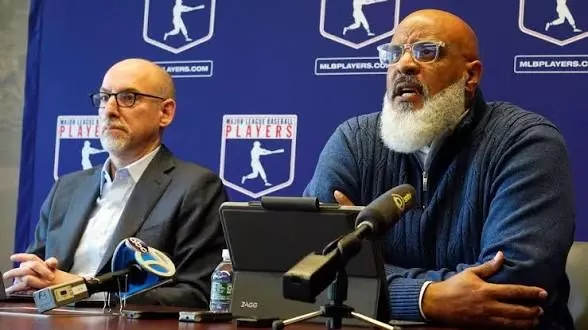
Bruce Meyer, Acting Executive Director of the MLBPA
For its part, the league, through its spokesperson Glen Caplin, confirmed that the current rules for domestic amateurs will remain in place. However, MLB maintains that the international system requires deep reforms to combat historical problems of corruption and ensure greater transparency in the hiring process.
Strategies for competitiveness
Within the package of measures, the MLBPA has included specific incentives to strengthen small-market teams. Among the proposals, the following stand out:
- Additional one million dollar bonuses during signing periods for lower-budget clubs.
- 500,000 dollar rewards after qualifying for the postseason.
- Creation of independent funds for signing foreign players with limited professional experience, thus protecting the budget allocated for amateurs.
- Redistribution of taxes collected from teams that exceed signing limits to fund collective performance bonuses.
Both parties are expected to return to the negotiating table next Monday with the goal of bridging their differences and finalizing the pending points of the new collective bargaining agreement that will govern the future of professional baseball.