

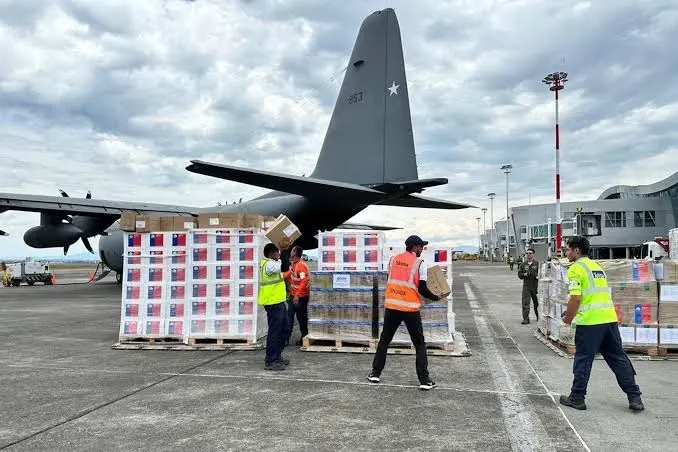
Colombia: Mass distribution of humanitarian aid begins following the devastating earthquake
Six days after the earthquake that shook Colombia, relief efforts have gained new momentum with the arrival of tons of supplies in the most remote areas of the national territory. While rescue teams maintain hope in the search for the missing, the country is preparing for a reconstruction process that is shaping up to be a complex and prolonged challenge.
The logistical mobilization has been massive. Tractor-trailers and trucks loaded with food, drinking water, medical supplies, and personal hygiene items have departed for critical points such as Buenaventura, Pereira, and various municipalities in Chocó, including San José del Palmar, the epicenter of the seismic movement. This aid has been possible thanks to citizen solidarity and management at strategic collection centers.
Emergency assessment and international response
According to the National Unit for Disaster Risk Management (UNGRD), the tragedy has left alarming figures: 294 dead, 3,935 injured, and 320 people whose whereabouts remain unknown. Likewise, the impact on infrastructure is massive, with more than 95,000 homes affected and severe damage to hundreds of educational centers, health facilities, and communication routes.
- International support: Chile has sent food kits and medicine, while specialized teams from the United States are collaborating on the technical assessment of buildings at risk.
- Specialized rescue: In Cali, military contingents from Israel continue working on the removal of collapsed structures and search efforts.
The reconstruction of the country must be a joint effort between the State and the private sector, focused on providing housing subsidies and immediate economic relief to the affected families.
Government authorities
Challenges and warnings in the recovery stage
The outlook remains bleak in cities like Cali and Pereira, where the deaths of survivors who were in intensive care units have been confirmed. Given the vulnerability of the victims, international organizations such as the IOM have issued an alert regarding the risk of human trafficking and fraudulent offers, urging the population to remain cautious.
In the political sphere, the process of distributing aid has generated debate. While the Executive seeks mechanisms to alleviate the economic burden on affected business owners and citizens, opposition sectors have expressed their intention to strictly monitor the distribution of resources to ensure that there are no political biases in the delivery of assistance.
Colombia thus begins a difficult transition: moving from the immediate emergency phase to a stage of comprehensive care for the victims, where transparency and speed in reconstruction will be the fundamental pillars for recovering stability in the devastated areas.


