

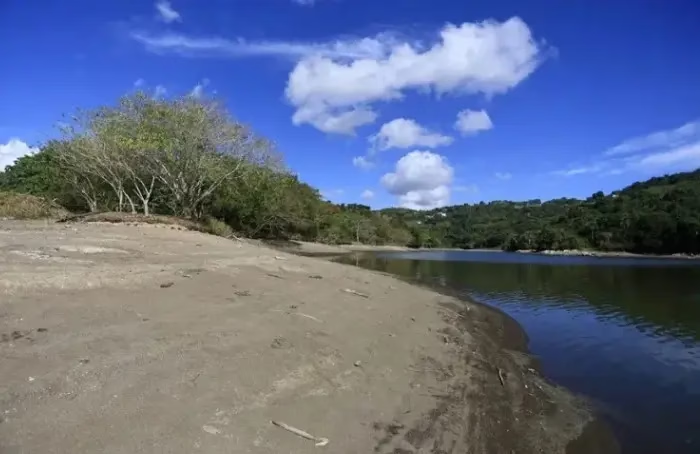
Water crisis in Puerto Rico: Drought affects more than 80% of the island
The climate situation in Puerto Rico remains a cause for concern, as the United States Drought Monitor has confirmed that 82.91% of the island’s territory is experiencing dry conditions. Although a slight improvement has been recorded in certain indicators, the impact of the phenomenon remains profound and widespread.
Currently, 40.99% of the surface area remains in the extreme drought (D3) category. While this figure represents a decrease from the 44.45% reported the previous week, the severity persists when considering that, just three months ago, the island did not have any area under this classification. In total, 62.26% of the country is facing severe drought or worse, directly affecting more than three million residents.
Geographic distribution and federal aid
The areas most affected by the lack of rainfall are concentrated in the southern, southeastern, and eastern regions of Puerto Rico. Conversely, the northwest remains the area with the lowest incidence, housing the few municipalities that have not yet entered the official drought categories.
Given this scenario, Governor Jenniffer González announced an expansion in federal assistance. Thanks to a new disaster declaration by the United States Department of Agriculture, the scope of aid has been extended to 38 municipalities. This measure is vital for local producers, as it allows access to emergency loans and financial support for small businesses affected by the crisis.
The designation of primary disaster areas in municipalities such as Barranquitas, Caguas, and Guayama seeks to mitigate the economic losses derived from water shortages, allowing farmers and non-profit organizations to sustain their operations in the face of adversity.
Reservoir status and preventive measures
In a positive report, the Aqueduct and Sewer Authority informed that 13 of the country’s 19 water reservoirs have shown an improvement in their levels. The Carraízo reservoir, one of the most closely monitored, reached 39.11 meters, which has allowed for the temporary suspension of rationing plans that were affecting various sectors of the metropolitan area.
Despite this momentary relief, the authorities maintain a call for caution. Experts warn that dry conditions persist and that, if the expected rainfall levels are not recorded, the implementation of new rationing in the near future to ensure the supply of the vital resource cannot be ruled out.


