
The rise of digital betting in the Dominican Republic: Between convenience and risk
The traditional image of lottery booths and physical sports betting shops, with their boards and screens, is still present on our streets. However, the true epicenter of betting has moved into the pocket of every Dominican. With just a mobile device and an internet connection, anyone can carry out transactions from the comfort of their home or workplace. Despite this ease, experts warn that this digital phenomenon carries critical dangers that demand immediate attention.
Mental health and the danger of gambling addiction
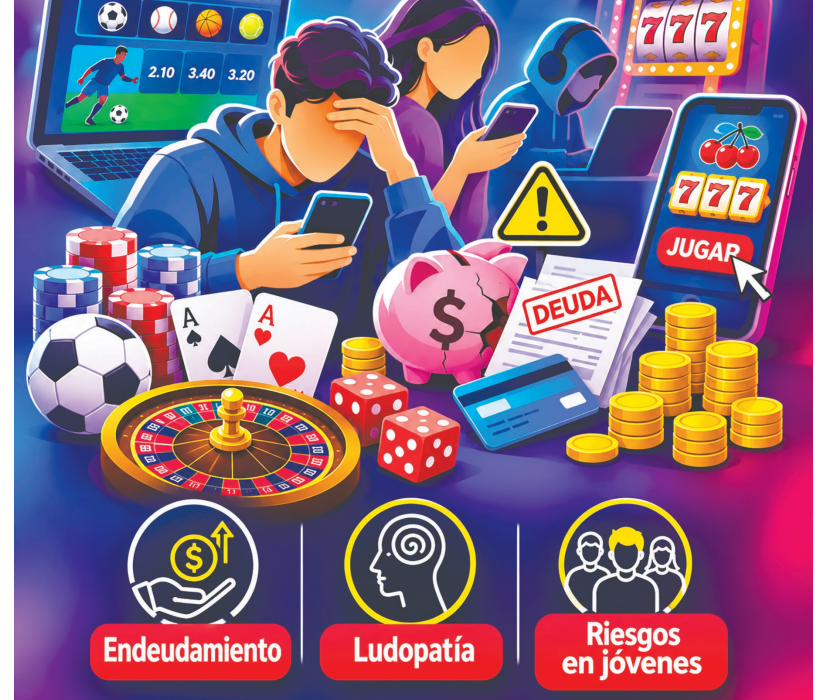
For psychiatrist Francis Báez, the problem transcends the legal framework and settles into the gambler’s behavior. The expert points out that when betting ceases to be occasional entertainment and becomes the center of an individual’s life, the consequences are devastating. Gambling addiction, even when disguised as sports analysis, activates brain reward mechanisms that drive a person to gamble despite constant financial losses.
Betting is betting, regardless of whether it is sports-related or not. Linking chance with sports does not eliminate clinical risks or the potential to generate dependency.
Francis Báez, psychiatrist
Among the warning signs that families should not ignore are: the use of money intended for basic needs, recurring debt, neglect of work or academic responsibilities, and social isolation. These behaviors, if left untreated, can lead to depression and deep personal crises.
Regulation and the challenge of digital security
The legal landscape in the country has taken an important step with Law 86-26. According to official records, more than 71,000 physical betting shops are in operation, but the digital environment is a more complex terrain. To date, the General Directorate of Gambling (DGJA) only recognizes seven companies authorized to operate online, while keeping about 81 platforms that could be operating illegally under scrutiny.
Technology specialist Juan Manuel Medina warns that the greatest danger lies in the lack of transparency of many websites. By registering on unregulated platforms, users expose bank details, phone numbers, and identity documents, leaving them vulnerable to potential cyberattacks or the misuse of their personal information.
Youth: The most vulnerable sector
One of the greatest challenges of the new regulations is protecting minors. Although legal platforms require verification, access through third-party credentials or fake registrations remains a worrying reality. The normalization of gambling on social media, often promoted by influential figures, makes young people more prone to falling into the trap of immediate reward.
- Verification: Always check if the platform is authorized by the DGJA.
- Security: Avoid entering financial data on websites of dubious origin.
- Prevention: If you notice any signs of addictive behavior, seek professional help immediately.
The current challenge for the authorities, supported by Law 86-26, is to ensure that legislation keeps pace with technology, guaranteeing that the digital environment is a safe and controlled space, where the mental health and economic stability of Dominicans are not compromised by a simple click.