Global human trafficking network for military recruitment in Russia denounced
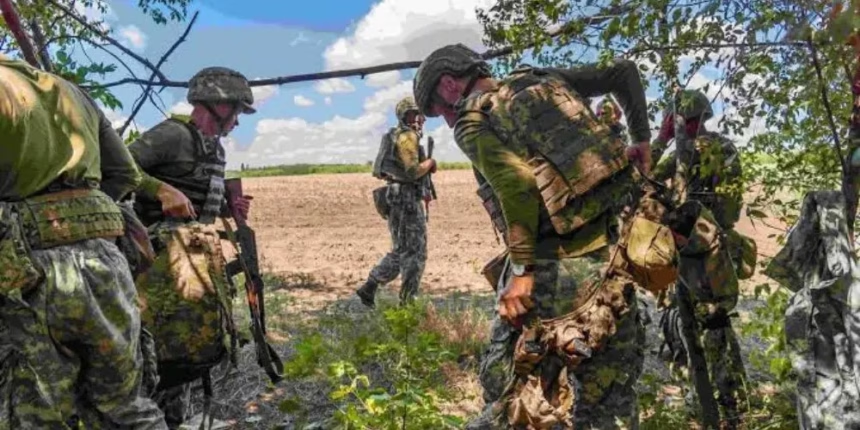
A recent report prepared by international human rights organizations has brought a serious allegation to the table: Russia is allegedly operating a global human trafficking network with the goal of recruiting foreign citizens and integrating them into its ranks to fight in the conflict against Ukraine. This recruitment system focuses on individuals who are experiencing situations of high social and economic vulnerability.
Recruitment and deception mechanisms
According to the investigation, the Russian scheme employs various tactics to attract foreigners, ranging from promises of well-paid jobs and economic benefits to the direct use of threats and coercion mechanisms. Many of those affected claim to have been lured under false job offers that, in practice, led them to participate in military operations for which they had not been hired.
Scope of foreign recruitment
The figures presented are alarming. According to estimates by Ukrainian authorities, since the start of hostilities in February 2022, nearly 27,000 foreigners from more than 130 nations have reportedly been recruited. Among these, a significant presence of citizens from Latin America stands out, with an estimated 1,000 to 8,000 people involved.
The report, titled “Combatants, mercenaries or victims of human trafficking? Russia’s exploitation of foreign fighters in its war against Ukraine,” details how deception and coercion are fundamental tools in this recruitment process.
Research based on testimonies
To structure these findings, the responsible organizations—the International Federation for Human Rights, Truth Hounds, and the Kazakhstan International Bureau for Human Rights and the Rule of Law—collected testimonies from prisoners of war and conducted interviews with military and human rights experts, in addition to analyzing data from open sources.
It is important to note that, although the recruitment figures are significant, the report clarifies that current data do not allow for an exact breakdown of how many of these individuals were direct victims of trafficking, how many joined voluntarily, or how many have actively participated in combat on the front lines.