
Humanitarian crisis in Nepal: Hundreds of children remain missing after devastating catastrophe
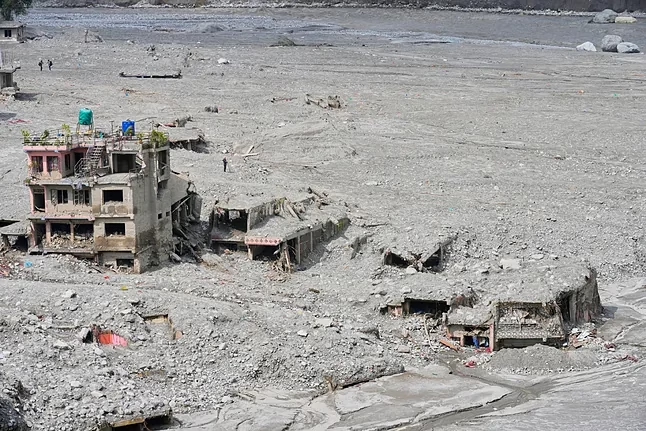
One month after the natural disaster that struck northern Nepal, the humanitarian situation remains critical. Hundreds of children remain in temporary shelters, awaiting news on the whereabouts of their parents, in a tragedy that local authorities have described as a clear warning sign to the international community regarding the effects of climate change.
More than 500 minors are under care in shelters set up following the floods on August 26. Uncertainty marks the day-to-day life of these little ones, many of whom face the painful possibility of having been left orphaned. Stories like that of nine-year-old Ram Thakur reflect the harshness of this event. After being separated from his mother at her own instruction during the rising water, the child continues to wait for her return at a school turned into a shelter in the Nuwakot district.
Impact and figures of the tragedy
- Fatalities: 1,451 bodies recovered to date.
- Missing: More than 5,700 people remain unaccounted for.
- Displaced: It is estimated that 32,000 children have lost their homes.
The disaster originated after a mass of rock and glacial ice detached from Langtang Lirung, at an altitude of over 5,000 meters. This phenomenon triggered an avalanche that traveled 20 kilometers in just seven minutes, wiping out critical infrastructure, including bridges, roads, and hydroelectric power plants.
What happened was a warning to the world. We did not create this crisis, but we are paying a very high price for it.
Balendra Shah, Prime Minister of Nepal
Climate change, under the microscope
Experts point out that the catastrophe is the result of a combination of factors, where climate change plays a decisive role. Rising temperatures have caused the deterioration of the permafrost, weakening the stability of the Himalayan mountains. This process, added to pre-existing geological conditions, has turned the region into a highly vulnerable point for extreme weather events.
Reconstruction challenges
The recovery of the affected communities will be a long and complex process. The destruction of road infrastructure, where barely one bridge remains standing out of the original 40 in the critical zones, has forced authorities to manage humanitarian aid exclusively by air using helicopters. As the country struggles to clear the rubble and search for the thousands of missing persons, the priority remains ensuring the protection and well-being of the thousands of children who, like Ram, await an answer at the doors of the shelters.