Professional Tennis: A Grueling Calendar That Demands Changes
The 2024 professional tennis season officially ended on December 22nd, when Joao Fonseca won the title at the ATP Next Gen Finals in Saudi Arabia, defeating Learner Tien. The 2025 season was already underway on December 27th with the United Cup in Australia. Fonseca and Tien returned to the court on December 30th for tournaments in Australia and Hong Kong, respectively.This tight schedule has generated complaints among the players, who have little time to rest and prepare for the next season. The situation has intensified in recent years, with players like Alex de Minaur and Iga Swiatek expressing their frustration with the exhaustion and intensity of the schedule. Several tennis players, including Frances Tiafoe, Danielle Collins, Jack Draper, and Daria Kasatkina, ended their seasons early due to injuries and mental fatigue.I don’t know how the ’25 season starts in ’24. It’s a joke.
Jordan Thompson, US Open 2024 doubles champion
As the 2025 season comes to an end, the conversation about the length and intensity of the tennis season will continue. The big question is: Will there be changes in the near future?The truth is that I’ve hit a wall and can’t continue. I need a break. A break from the monotonous daily routine of life on the circuit, the suitcases, the results, the pressure, the same faces (sorry, girls), everything that this life entails. The calendar is too much, mentally and emotionally I’m at a breaking point and, unfortunately, I’m not alone.
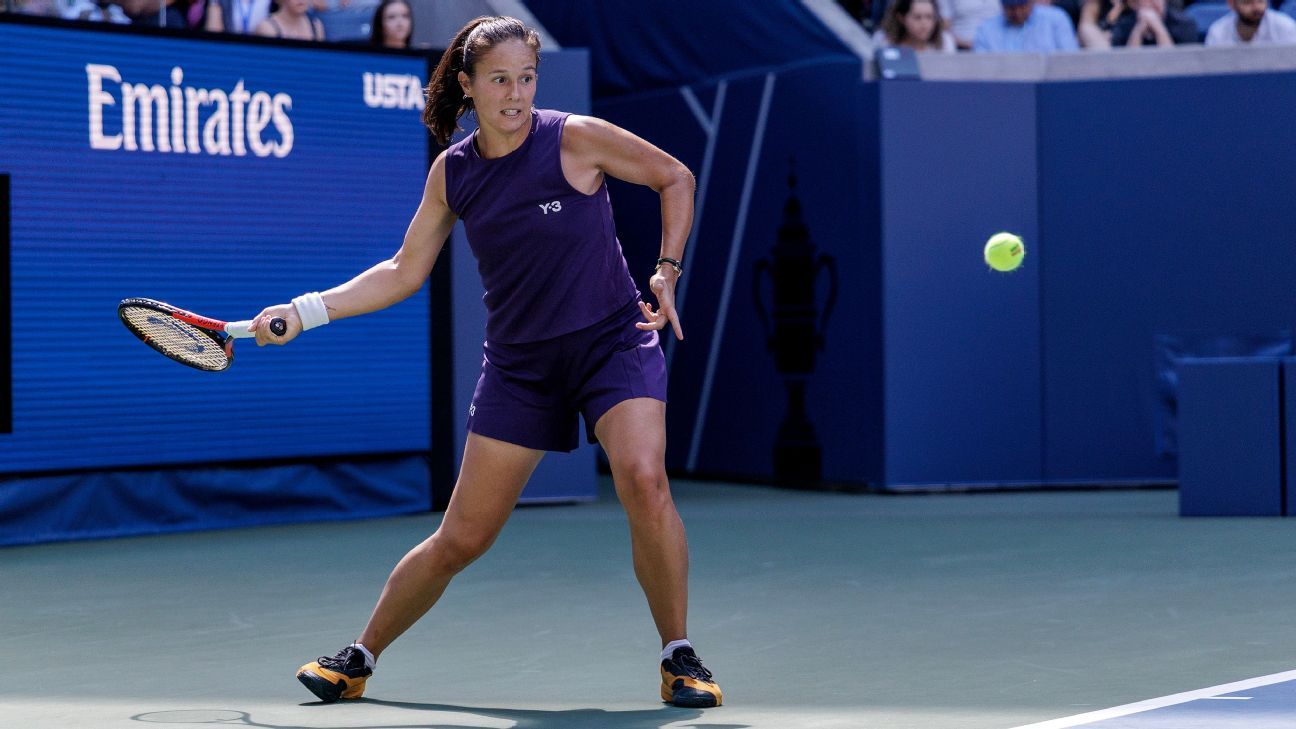
Daria Kasatkina
For Fritz, this translated to approximately three weeks between the end of his 2024 season and the start of the 2025 season. Rest time is crucial for implementing technical changes or changes in the training team, but is it more important than rest and recovery after a grueling season?There is no pre-season, and if you’re a top player, you actually have even less pre-season time. If the season ended in Paris [at the beginning of November] as it does for most players, then you have a month and a half before the season starts, maybe even a little more, I think maybe an extra week, but if you play the Tour Finals and the Davis Cup, you’re actually adding three more weeks, and then, if you play the United Cup like me, because you’re a top player, it also starts earlier.
Taylor Fritz
For some players, the preseason is one of the few times they can spend at home, especially for Australians who spend most of the season traveling.
For me, when I go back to Australia, I just want to go to the beach, relax, take two weeks off from the rackets. But I still have to do a lot of physical work to stay in shape. It’s literally three weeks before going back into tournament mode. You can’t afford any slip-ups with that amount of free time physically.
Jordan Thompson
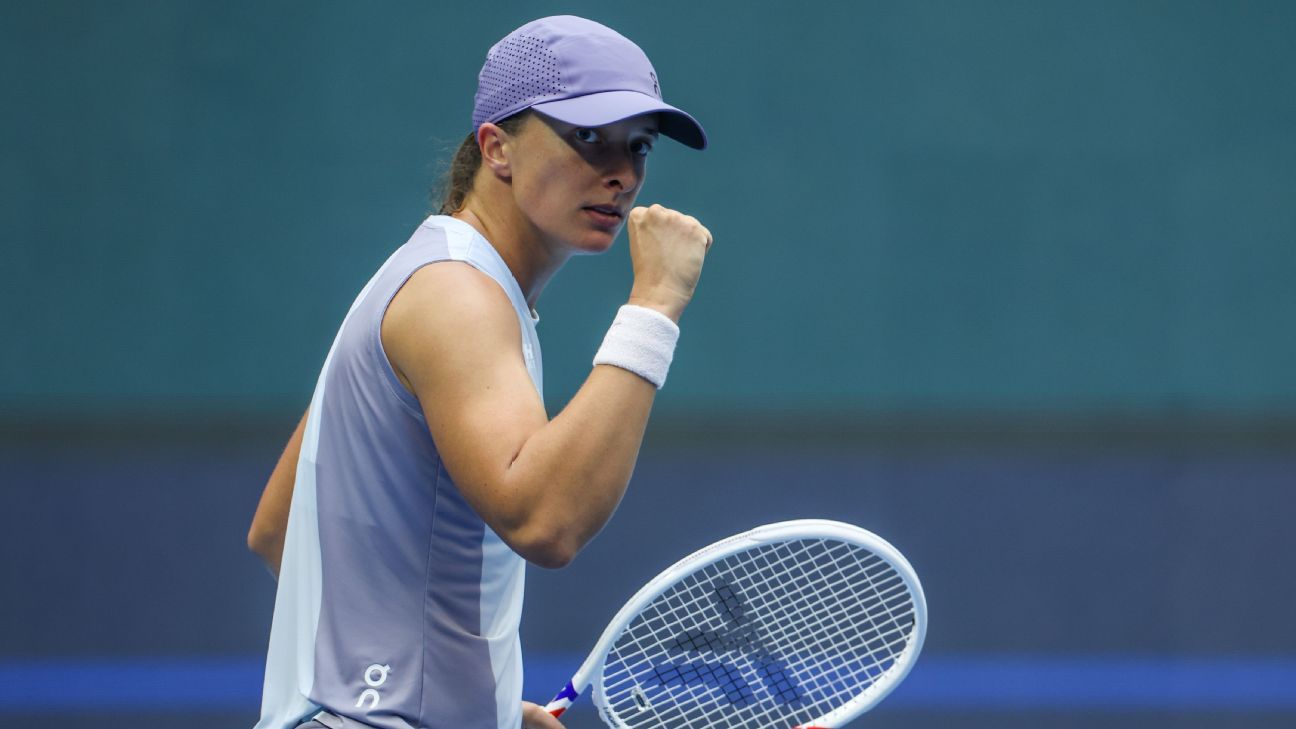
The WTA, with all these mandatory rules, has made it quite difficult for us. I don’t think any top player can achieve this, playing all six 500 tournaments. It’s simply impossible to fit it into the schedule.
Iga Swiatek
Gauff played in three 500-level tournaments in 2025, as did Sabalenka, Swiatek, and Anisimova. Keys played in four. However, that didn’t translate into fewer matches. Swiatek played 80 matches this season, the most on the circuit. Sabalenka appeared in 76, Gauff in 65, Anisimova in 63, and Keys in 53. The situation of the best players was evident at the Shanghai Masters in October, where many complained about the heat and humidity, and others felt the weight of the long season. Carlos Alcaraz withdrew before the tournament due to a left ankle injury, Jannik Sinner retired from his third-round match due to cramps, and Djokovic vomited during his second-round match and needed treatment for a back injury during his defeat in the semifinals. The ATP announced that it would add another Masters 1000 level tournament to its calendar starting in 2028, in Saudi Arabia, which will raise the total in the category to 10. The French Open, the Australian Open and the US Open have added an extra day of play to the main phase in recent years, changing the start day from Monday to Sunday. Jessica Pegula, currently ranked number 6, expressed her opposition to these changes.I guess from a business point of view, it may make sense, but from a player’s health point of view, I really don’t agree with that. Basically, I’ve played all the tennis I can and it’s impossible to keep up with the six 500s. It’s just impossible.
Coco Gauff
Brad Stine, coach of Tommy Paul, acknowledges that the debate about the length of the season is not new. Stine believes that the ATP and WTA should eliminate the “mandatory” distinction in tournaments and guarantee a week or two of rest after each Grand Slam. He also believes that players should be less “paranoid” about losing ranking points and skip tournaments when they feel they need a break. In addition, he believes that many players undermine their concerns by playing in lucrative exhibitions during the off-season, or in other breaks in the calendar.I’m really not a fan of that. I don’t know why they had to make it even longer. Well, I know why they did it: they can sell tickets for an extra day.
Jessica Pegula
Alcaraz, one of the most vocal defenders of the need for a shorter season, played in the lucrative Six Kings Slam in October and is scheduled to play in several other exhibition events in December. Alcaraz understands the criticism, but said that sometimes people don’t understand the players and their opinions.There doesn’t seem to be a shortage of players looking to play in those events. Some of them are the players who are in favor of a shorter season. ‘We need more breaks, we need a shorter season.’ But then, when they are given the opportunity to have time off, they choose to play more events.
Brad Stine
It’s a different format, a different situation playing exhibitions than official tournaments, 15, 16 days in a row, having so much concentration and physical demand. We only have fun for one or two days and play tennis, and that’s great, and that’s why we choose exhibitions.
Carlos Alcaraz
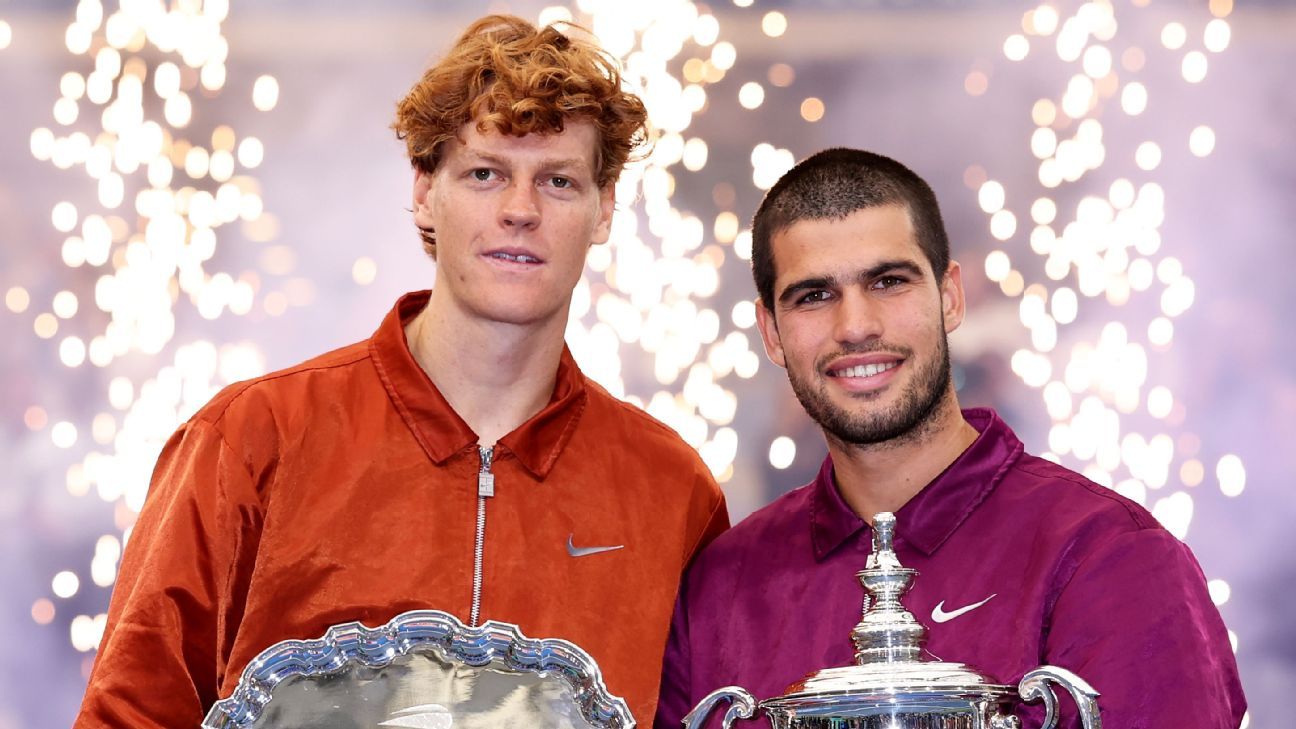
Jannik Sinner (left) and Carlos Alcaraz shared the important titles in 2025. Alcaraz has been especially explicit about the need for a shorter season.
Although most players believe that something should change, the details present a challenge. Fritz, when asked about what should be changed, replied that it simply “needs to be shortened. It’s too much.” He added that he didn’t believe that changes were coming.
In 2024, the four Grand Slams participated in initial conversations for a “Premier Tour”, with an annual calendar that would consist of the majors, approximately 10 additional events, and a year-end final. The WTA and ATP proposed a similar version of the idea to the Slams, in an effort to “restructure the sport”. The plan would include the four majors, 10 level 1000 events, 17 level 500 events for the WTA and 16 for the ATP, and a reduction of the level 250 tournaments through the repurchase of licenses. The idea was to decrease the number of tournaments between the two organizations from 118 to approximately 75. However, the WTA and ATP failed to convince the Grand Slams of the idea, partly due to the proposed board structure to oversee the new venture. Andy Roddick, former world No. 1, contemplated the possibility of changing the order of events on the fall calendar in a recent episode of his podcast “Served”. Roddick wondered why ATP 250 level tournaments might not exist after the World Tour finals, and why an extended season couldn’t be had in which these tournaments would take place for a month before the new year. The WTA and ATP are aware of the complaints and concerns of their players. The WTA stated that the well-being of the athletes is a “top priority” and that the organization is in constant communication with the players, including through the players’ council and the representatives of the WTA Board. The WTA also added that it is “committed to keeping the tour structure under review”. Andrea Gaudenzi, ATP chairman, called the schedule “complex”, but said an ATP goal was to “extend the off-season”. However, he added that the ATP is one of many professional tennis organizing bodies with a voice on the schedule and emphasized the individual nature of tennis.I don’t think they’re listening to us. I think we have myself, Carlos and Sasha [Zverev], meaning three of the top four players in the world saying that it just needs to be shortened, and there’s really been no conversation about the change.
Taylor Fritz
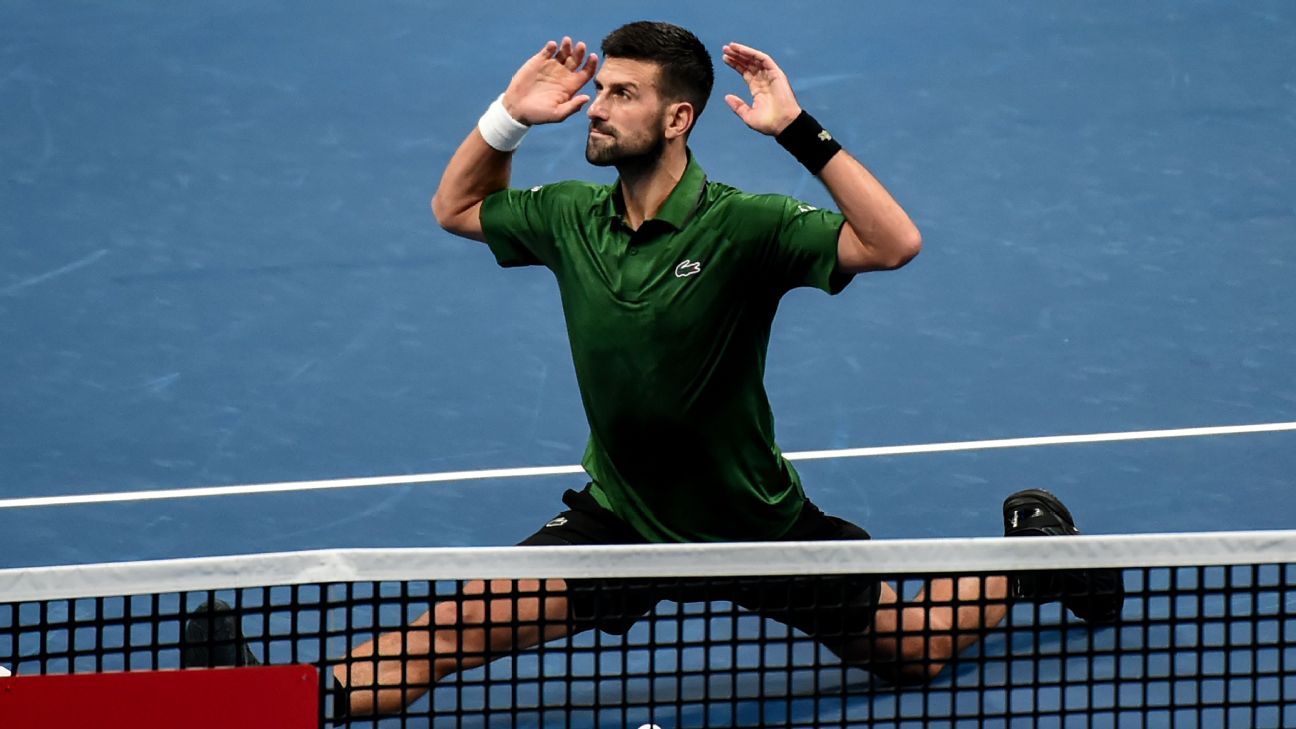
Djokovic, who has been a staunch critic of the current calendar, acknowledged that it is a “very complex” issue. He concluded that, if the players want to see a change, they will simply have to invest more time and energy in understanding how the system works and what can be done to improve it in the players’ interest.One player can be eliminated in the first round, another lifts the trophy after the final. Finding a solution that works for both ends of that spectrum is never easy, and a calendar cannot be built around a single cohort of players. All cohorts must be considered.
Andrea Gaudenzi