The Rhythm of the Locker Room: Who Are the NFL’s Secret DJs?
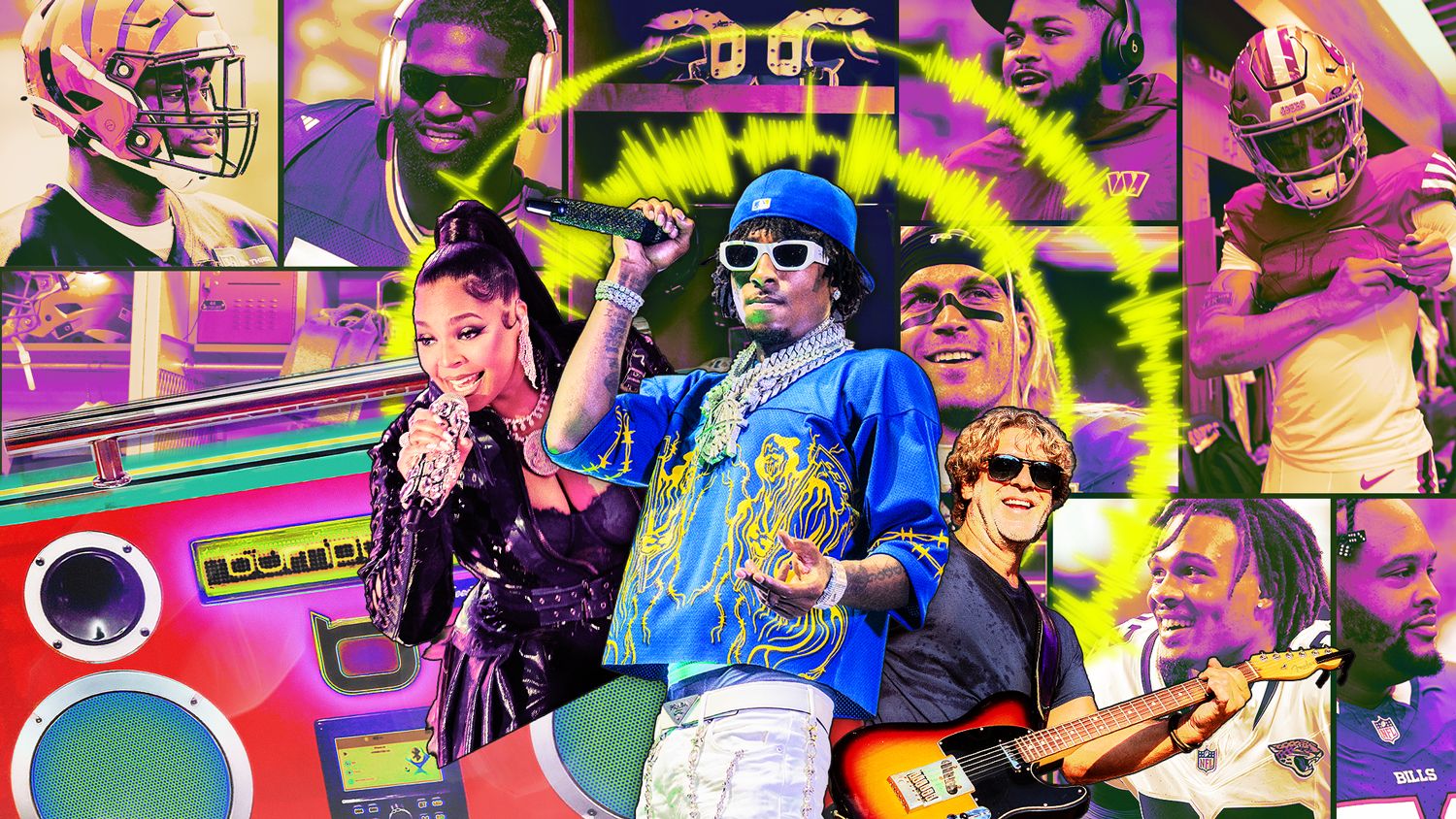
In the vibrant world of the NFL, beyond the plays and strategies, there is a sound universe that energizes and relaxes the players. At Alofoke Deportes, we explore the crucial role of DJs in the locker rooms, those guardians of rhythm who determine the musical atmosphere of each team.
Darnell Mooney, wide receiver for the Atlanta Falcons, is known for his musical versatility, able to connect with the emotions of his teammates. “Honestly, I’m guided by the energy of the locker room,” Mooney comments. “It can be Miley Cyrus, it can jump all over the place.”
DJing is fun as hell, because you can control the environment. I call it the vibe creator. I am the vibe creator, VC.
Dion Dawkins, offensive tackle for the Buffalo Bills
In every NFL team, there is a player in charge of creating the atmosphere, whether motivating with energetic music or relaxing after a tough week of training. Musical diversity is key, and the DJ must know how to interpret the team’s mood.The New York Jets coach, Aaron Glenn, even has his own playlist for “Throwback Thursdays,” which is played during outdoor practices. The musical choice isn’t just for players; the coaching staff also participates.
In the Jets, the expectation is high. Allen Lazard, receiver, criticizes Breece Hall’s lack of musical diversity, who focuses on classics and not on new music. The responsibility of being a DJ implies creating a fun and motivating environment.
The generational divide also plays an important role. Younger players often prefer trap, while veterans may lean towards more melodic sounds. Geographical preferences also influence, with players from the south preferring Atlanta or Louisiana hip-hop, and those from the West Coast, Californian rap.
For Jared Verse, defensive end for the Los Angeles Rams, the music of some of his teammates in the morning is “trash”, preferring something more relaxing. “I don’t want to listen to YoungBoy at 8:30 in the morning after talking to my mother,” Verse confesses.
Puka Nacua, Rams receiver, balances rap with “Aloha Friday”, including electronic music (EDM) by Chris Lake or Fisher on Thursdays, and reggae or R&B by J Boog on Fridays.
In the Washington Commanders, the generational difference is evident. Sheldon Day, a 31-year-old defensive tackle, prefers more variety from his younger teammates, who usually listen to NBA YoungBoy and Kodak Black.
Eric Murray, safety for the Jacksonville Jaguars, shares the same complaint about Jarrian Jones, who only plays NBA YoungBoy. Kirk Cousins, Falcons quarterback, prefers a middle ground between Kaleb McGary’s metal and the trap that other teammates enjoy.
Chris Lindstrom, Falcons guard, recognizes Mooney as the best DJ, although they miss Cordarrelle Patterson, who mixed country, hip-hop, rock and pop, even gospel on Sundays before the games.The key to being a good DJ, according to the players, is versatility. Jaquan Brisker, safety for the Chicago Bears, is the locker room DJ and prides himself on his ability to mix different genres and adapt to everyone’s tastes.
In the Cincinnati Bengals, Joseph Ossai is in charge of the music, and the team appreciates the variety he offers, including rap, rock, and country. Barrett Carter even played country from 2010 during a recent media availability.
Chase Lucas and Spencer Burford are the DJs for the San Francisco 49ers, with a democratic approach. Lucas prefers Nipsey Hussle, Gunna, and YoungBoy, but also has a wide range of tastes.
The moment is crucial: energetic music before workouts and softer rhythms afterward. Chemistry and the right atmosphere are essential for a good DJ.
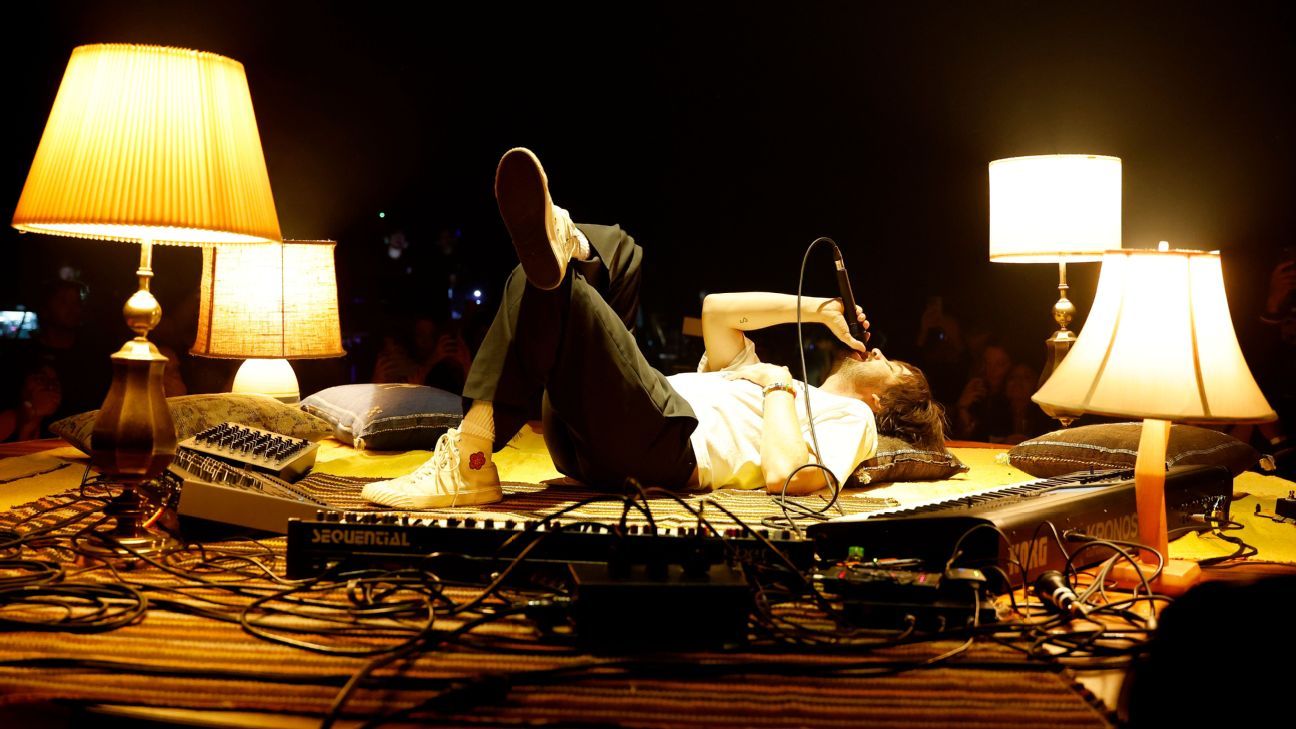
Bijan Robinson, Falcons running back, has diverse musical tastes, including Tame Impala, a psychedelic project by Australian musician Kevin Parker.
Mooney, the Falcons’ DJ, relies on his energy to connect with his teammates and create a positive environment. Music in the NFL locker room is much more than just songs; it’s a way to connect, motivate, and create a shared experience.