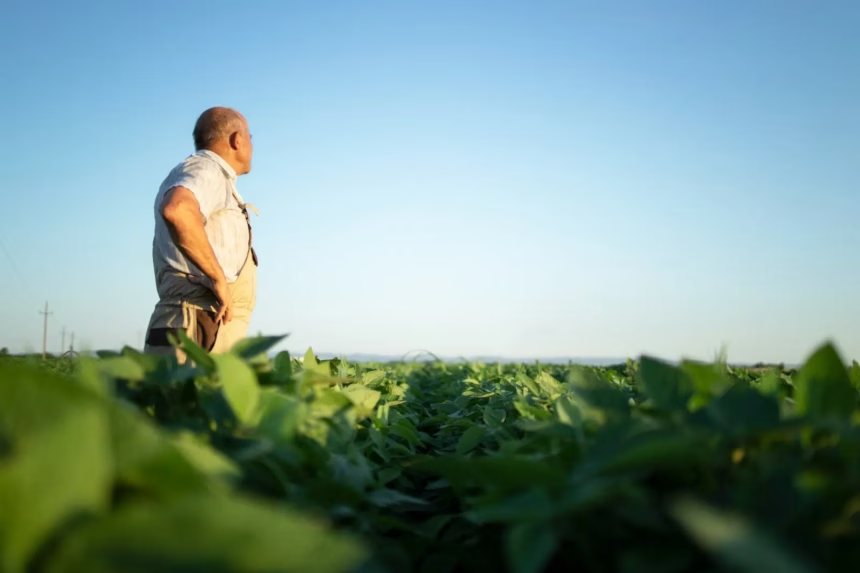
Sustainable soy: A key pillar for efficiency in animal protein production in the DR
In the dynamic Dominican agro-industrial sector, the demand for animal protein continues to rise, forcing the poultry, swine, and aquaculture industries to optimize their processes. In this scenario, sustainable soy from the United States has established itself as an indispensable strategic input, combining high nutritional standards with a vision of environmental sustainability that has evolved significantly over the last four decades.
Beyond being a basic component in livestock feed, soy acts as the engine that guarantees the quality of final products such as chicken, pork, and fish that reach the tables of Dominicans. Its success lies in the backing of the U.S. Soy Sustainability Assurance Protocol (SSAP), a system that rigorously audits agricultural practices to ensure the efficient use of natural resources such as water, land, and energy.
Balanced feed companies choose sustainable U.S. soy because it reduces the environmental footprint of their supply chain and improves the nutrition of their products. It is a model backed by families who have worked the land for generations.
Luis Bustamante, Sustainability Lead for Latin America at USSEC
Impact on animal nutrition and productive efficiency
The integration of this input into balanced diets has transformed productivity in various livestock sectors:
- Poultry farming: With an inclusion of up to 30%, it provides essential amino acids that boost muscle development and egg production.
- Pig farming: Its use reaches up to 35% of the ration, improving digestibility and efficiency in animal weight gain.
- Aquaculture: It is fundamental for the accelerated and healthy growth of species, being a key ally in one of the fastest-growing global sectors.
Commitment to the environment and goals for 2030
Efficiency in U.S. soybean production has achieved notable milestones since 1980, highlighting a 60% improvement in irrigation water use and a 48% improvement in land efficiency. This progress does not stop here, as the sector has set ambitious goals for the year 2030, focused on decreasing soil erosion by 25% and reducing greenhouse gas emissions by 5%.
With more than 270,000 farms participating in continuous improvement protocols, the supply chain ensures that animal protein is not only nutritious but also responsible toward the ecosystem. This is the commitment that directly connects the countryside with the food security of the Dominican Republic, guaranteeing that every link in production works under international traceability and quality standards.