Marco Rubio reaffirms Washington’s stance: Cuba is considered a failed state
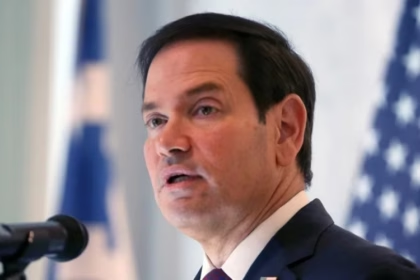
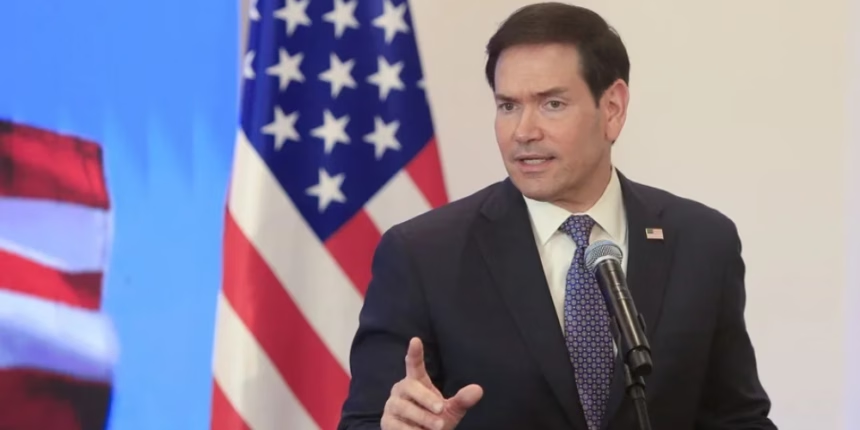
United States Secretary of State Marco Rubio has once again focused on the island’s geopolitical situation, labeling Cuba a “failed state” once more. In recent statements, the official emphasized that President Donald Trump’s administration will maintain a firm stance to prevent Cuban territory from being used as an operations platform that compromises U.S. national security.
During a public intervention, Rubio underscored the determination of the current government administration by pointing out that, under Trump’s mandate, no threat coming from the island that undermines the strategic interests of the United States will be tolerated.
The White House strategy regarding Havana
Despite the tensions and rhetoric regarding security, President Donald Trump has expressed a different view regarding a possible armed intervention. On September 26, the president expressed his optimism about the possibility of reaching an agreement with Havana, suggesting that military action would not be necessary.
Error en la traducción: 503 UNAVAILABLE. {‘error’: {‘code’: 503, ‘message’: ‘The service is currently unavailable.’, ‘status’: ‘UNAVAILABLE’}}Trump added that his intention is to collaborate with the country’s development, facilitating an opening that allows, among other objectives, the return of Cuban-American citizens who maintain ties with the island.
Constant pressure and logistical preparation
Despite diplomatic statements, pressure on the Cuban government has intensified since the beginning of the year. Reports on the operational capacity of U.S. forces indicate that the Army Reserve has evaluated the possibility of providing logistical, medical, and police support to the Southern Command as a preventive measure in the event of any contingency.
- Increased political and economic pressure from the Trump administration.
- Imposition of oil blockades aimed at forcing a transition in the island’s political and economic model.
- Constant focus on national security as the central axis of foreign policy toward the region.
The U.S. administration maintains that these measures are a direct response to the growing instability in the region, keeping Cuba under strict surveillance while exploring avenues for negotiation.