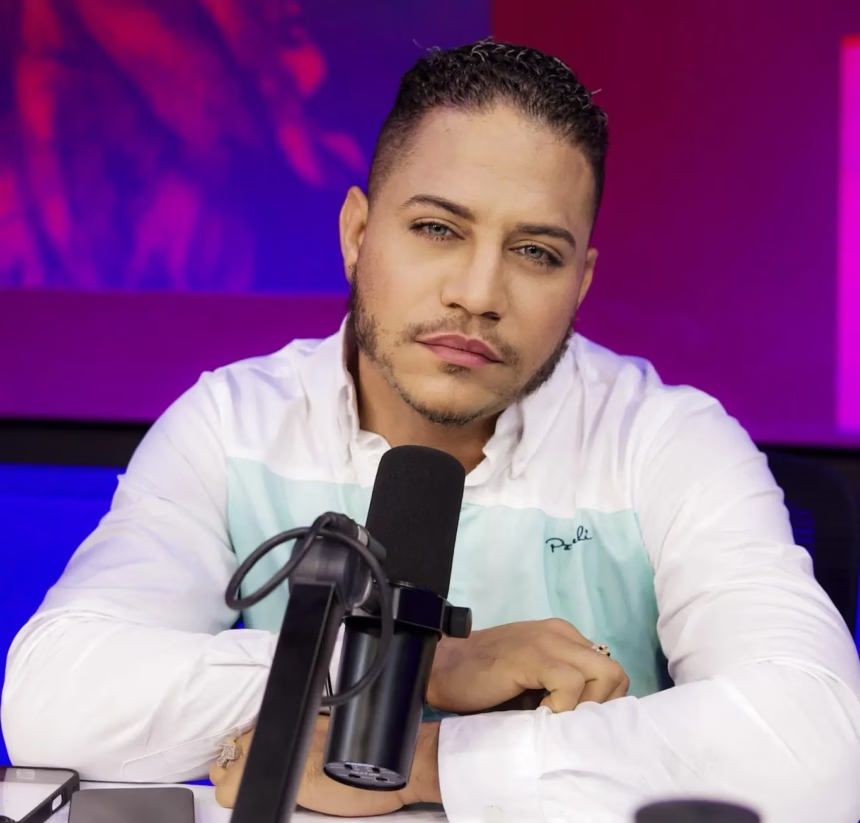
José Ángel Morvan offers public apologies to Karen Yapoort after spreading false information
Commentator José Ángel Morvan publicly retracted the information shared regarding the personal life of communicator Karen Yapoort. The event took place during the broadcast of the radio show Esto no es radio, where the panelist admitted to having used incorrect sources, getting carried away by the pressure to offer scoops on digital platforms.
From here, from this space, I offer my sincerest apologies to Karen Yapoort, if at any moment something I said here could have disturbed both her peace and her person in a general sense. My apologies to her and her entire family in the midst of this situation that surrounds her.
José Ángel Morvan
Karen Yapoort’s response
Following the statements, Karen Yapoort intervened via telephone to accept the apologies, showing a conciliatory and professional stance. The presenter highlighted her personal appreciation for Morvan and acknowledged that, as human beings, everyone is susceptible to making mistakes.
Yes, I heard José Ángel and well, I understand everything he said. In fact, I understand that I have known him for a long time and, well, people make mistakes at some point. I have always esteemed you very much and I believe this will not be the exception. So you know that you can always count on me, José.
Karen Yapoort
During the conversation, Yapoort asked directly about the veracity of the data previously disclosed, to which Morvan responded categorically: “False, because that is not how things happened.”
Responsibility in communication
This episode is part of the legal actions initiated by Yapoort’s legal team against various content creators and digital platforms that spread rumors about their private life. This move seeks to set a precedent in the field of digital communication in the country, promoting the following points:
- The establishment of a regime of consequences for defamation.
- The protection of the fundamental right to honor and privacy.
- The requirement of mandatory rectification when false data about public figures is disseminated.
Lawyer and panelist José Martínez Brito described this approach as a positive step toward more responsible communication, where ethics and the truthfulness of facts prevail over sensationalism.