
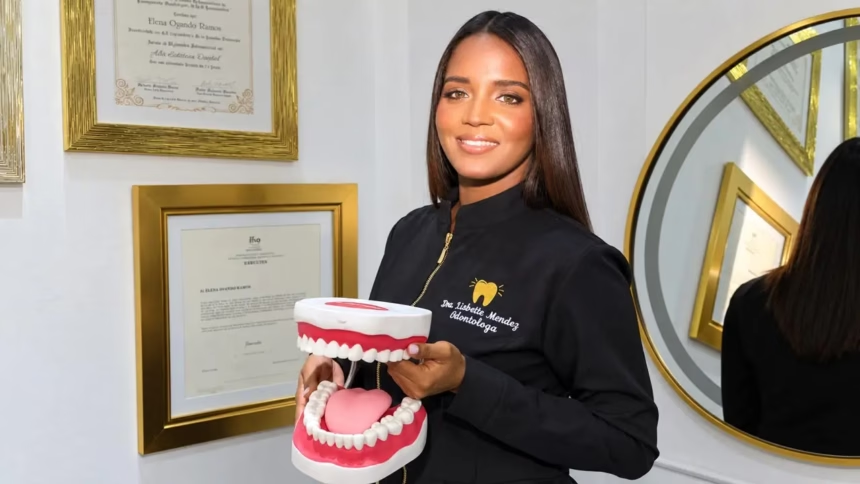
Key tips from dentist Lisbette Méndez to overcome the fear of the dentist
Fear of the dentist is a reality that affects a large part of the population, causing many patients to postpone vital treatments for years. This avoidance, driven by anxiety, can seriously compromise oral health. With the goal of transforming this experience, dentist Lisbette Méndez has shared a series of practical recommendations so that patients can regain control of their dental well-being with greater confidence.
Strategies for managing anxiety in the consultation
- Open communication: Clearly expressing fears and concerns to the specialist is the first step. An honest dialogue allows the dentist to adapt the procedure and provide the necessary support to reduce tension.
- Companionship: Attending the appointment with a trusted person can make a significant difference, offering the necessary emotional support before and during the intervention.
- Relaxation techniques: Practicing deep breathing during treatment helps keep the body and mind in a state of calm in stressful situations.
- Signaling discomfort: It is essential to establish a code or immediate communication in case of any pain. This allows the professional to act in time and adjust the process as necessary.
- Frequency and prevention: Making short and consistent visits helps to become familiar with the environment. Prevention is the best ally to avoid complex procedures, which are usually the ones that generate the most uncertainty.
Expressing fears is a fundamental part of the care process. Oral health should not be sidelined due to the anxiety that a consultation generates.
Lisbette Méndez, Dentist
Why does this fear arise?
The rejection of dental clinics often stems from previous traumatic experiences, frequently rooted in childhood. Other common triggers include needle phobia, the physical discomfort of keeping the mouth open for extended periods, and uncertainty regarding unknown procedures. Added to this, at times, are economic factors that generate additional stress.
This cycle of fear and avoidance not only deteriorates dental health, but also generates feelings of guilt and shame that make seeking professional help even more difficult. However, current specialists are trained to offer a safe and adapted environment, where trust and a detailed explanation of each step are the priority to ensure successful treatment.