
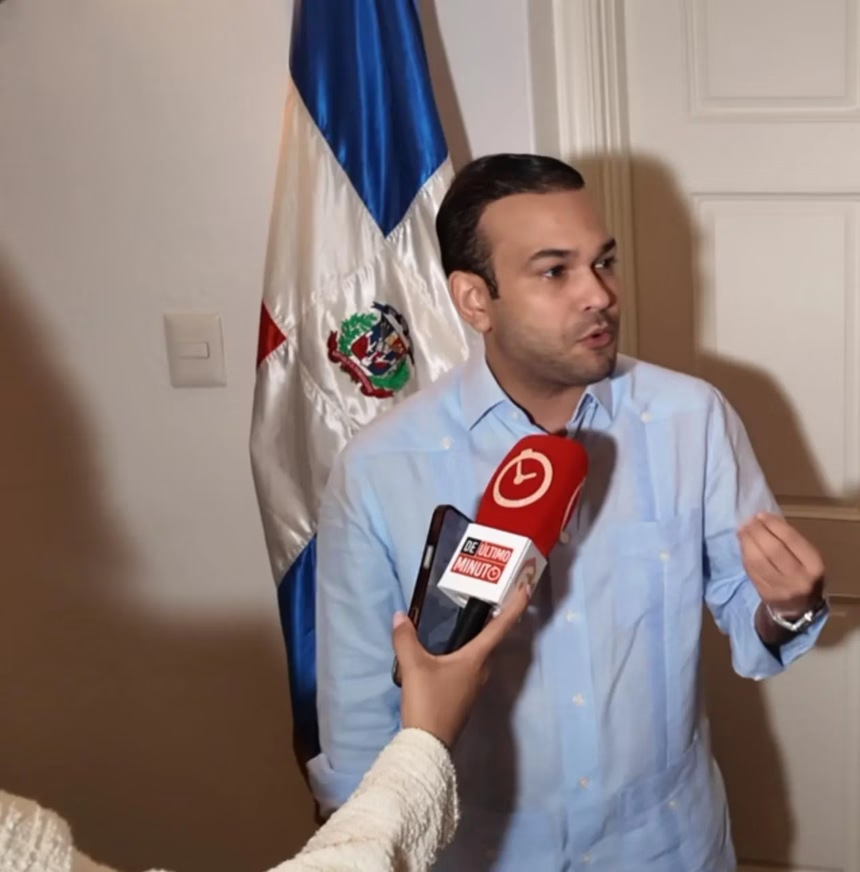
Eduardo Saint-Hilaire highlights Dominican sovereignty following accession to the Geneva Consensus
Lawyer and communicator Eduardo Saint-Hilaire recently analyzed the Dominican Republic’s position on joining the Geneva Consensus, highlighting that this step reinforces the country’s ability to define its own policies on fundamental issues such as reproductive health and abortion, thus protecting its autonomy against external pressures.
During his speech, Saint-Hilaire emphasized that adherence to this international initiative should be interpreted as a mechanism for strengthening national sovereignty. According to the jurist, far from limiting the State’s powers, the agreement allows the nation to maintain control over its most sensitive legislative and social decisions.
I believe that the signing of this agreement gives sovereign freedom to the people to decide regarding their health, women’s reproductive health, and, above all, a very sensitive issue which is the topic of abortion.
Eduardo Saint-Hilaire
Autonomy from international organizations
One of the central points of Saint-Hilaire’s analysis is the relationship between local regulations and the guidelines of multilateral organizations. The communicator maintains that participation in the Geneva Consensus is a key tool to prevent international entities from imposing agendas that do not necessarily reflect the values or the will of the Dominican people.
- Defense of state sovereignty in public health matters.
- Ability to make autonomous decisions regarding abortion.
- Resistance to the imposition of policies from multilateral organizations.
- Reaffirmation of the national commitment to the protection of life.
For the analyst, joining the consensus represents a victory for self-determination. By consolidating this position, the country reaffirms its right to legislate according to its own principles, ensuring that public policies on reproductive health remain within the framework of national sovereignty.
Finally, Saint-Hilaire positively valued this accession, underlining that the Dominican Republic sends a clear message regarding its stance in defense of life and its determination to manage its internal affairs without interference that contravenes the will of the citizens.