
Water management in the Dominican Republic: A structural challenge beyond the rain
The Dominican Republic is going through a complex scenario that highlights the urgency of transforming national water management. While the country is experiencing alerts for heavy rains in various regions, the authorities, led by the director of the National Institute of Potable Water and Sewerage (Inapa), Wellington Arnaud, maintain the call for caution and the conservation of the resource in the face of drought periods that affect dam levels.
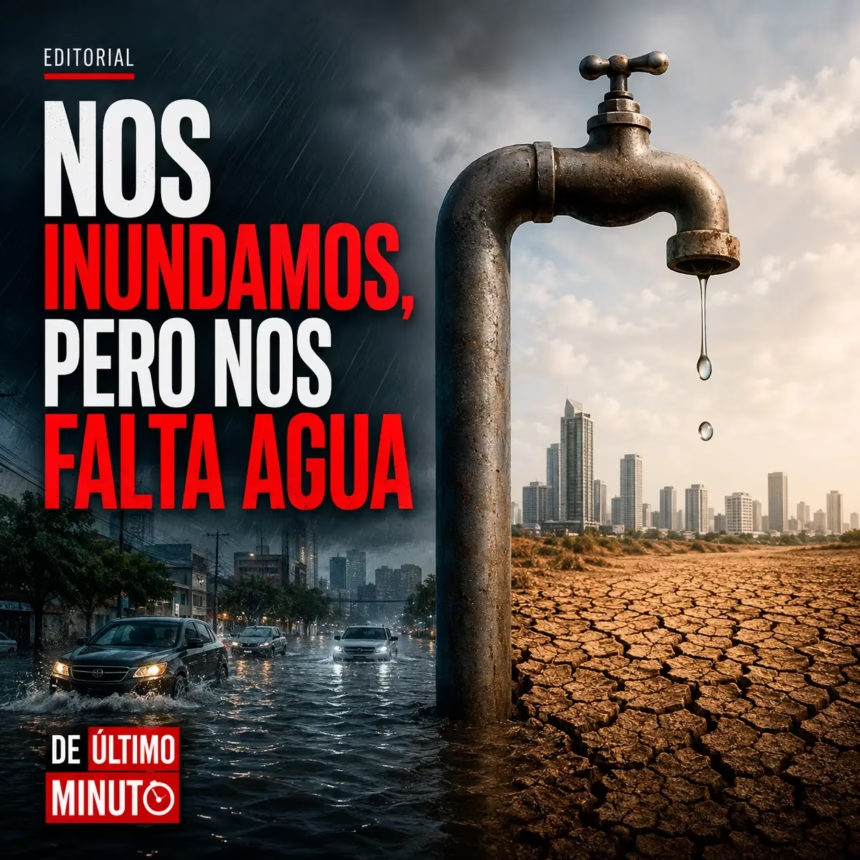
Although technically a downpour does not guarantee the immediate recovery of aquifers, the true paradox lies in the inability to manage water in both its excess and its scarcity. When rainfall is abundant, the current drainage system is overwhelmed, causing flooding, while in the absence of rain, insufficient storage limits the supply to the population.
Towards comprehensive planning
To break this cycle of constant emergencies, Alofoke Deportes analyzes the necessary keys to ensure the sustainability of water resources in the territory:
- Expansion of storage capacity and modernization of aqueducts.
- Drastic improvement in the rainwater drainage system to prevent urban flooding.
- Rigorous protection of watersheds and aquifers.
- Reduction of losses in distribution networks.
- Promotion of wastewater treatment and reuse.
We cannot control when it rains, but we can decide whether the water that arrives becomes a resource or turns back into a problem.
Investment and future vision
The Dominican State has reported investments exceeding RD$37 billion destined for sanitation and drinking water, highlighting large-scale projects such as the expansion of the Cibao Central Aqueduct. However, the challenge requires that these works cease to be seen as isolated solutions.
Planning must integrate urban growth, land-use planning, and water infrastructure as a single interconnected system. It is essential to project the nation’s consumption needs for the coming decades, ensuring that infrastructure is capable of responding to demographic growth.
Finally, although citizen awareness is required to avoid dumping waste in ravines and to encourage conservation, state responsibility must be the central axis. The goal is clear: to stop reacting to climate crises and move toward preventive and efficient water management.