Brazil decides its future: An election day marked by high expectations
This Sunday, Brazil experienced a historic democratic day. Nearly 158 million citizens were called to the polls in general elections that have captured international attention due to the intense political polarization that the South American giant is going through.
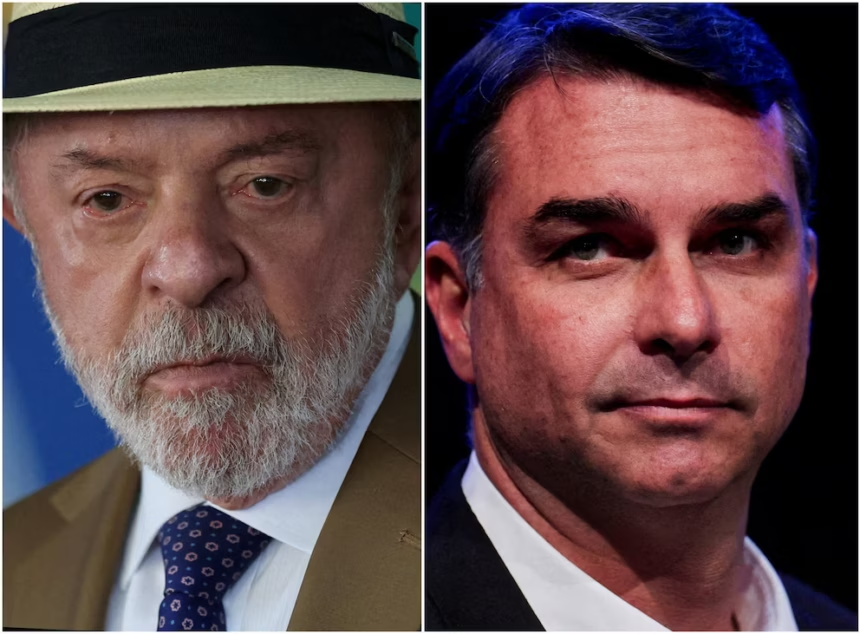
The electoral process has as its epicenter the dispute for the presidency, where the current leader Luiz Inácio Lula da Silva seeks to remain in the Planalto Palace against the candidacy of Senator Flávio Bolsonaro, representative of the Liberal Party. Although the contest has 13 registered presidential tickets, the political scene has focused almost exclusively on this duel.
Election day details
- Voting hours: Polling stations remained open from 8:00 a.m. to 5:00 p.m., Brasilia time.
- Offices at stake: In addition to the presidency and vice presidency, 513 seats in the Chamber of Deputies, 54 seats in the Senate, as well as all 27 governorships and regional legislatures were up for renewal.
- Election system: To win in the first round, a candidate must exceed 50% of the valid votes. If this percentage is not reached, the two candidates with the most support must face each other in a definitive runoff.
Flávio Bolsonaro has publicly stated after exercising his right to vote that Brazil requires a profound transformation, reaffirming his party’s position in this decisive electoral process.
Pre-poll surveys suggested a tight scenario, with no clear lead to guarantee an absolute winner in this first instance. The results that emerge from this day will not only determine who will occupy the Executive branch for the next four years, but will also define the direction of Brazilian foreign policy, the relationship with powers such as the United States, the structure of the Supreme Federal Court, and the country’s environmental approach.