Banco Popular rules out reducing commissions at fuel stations
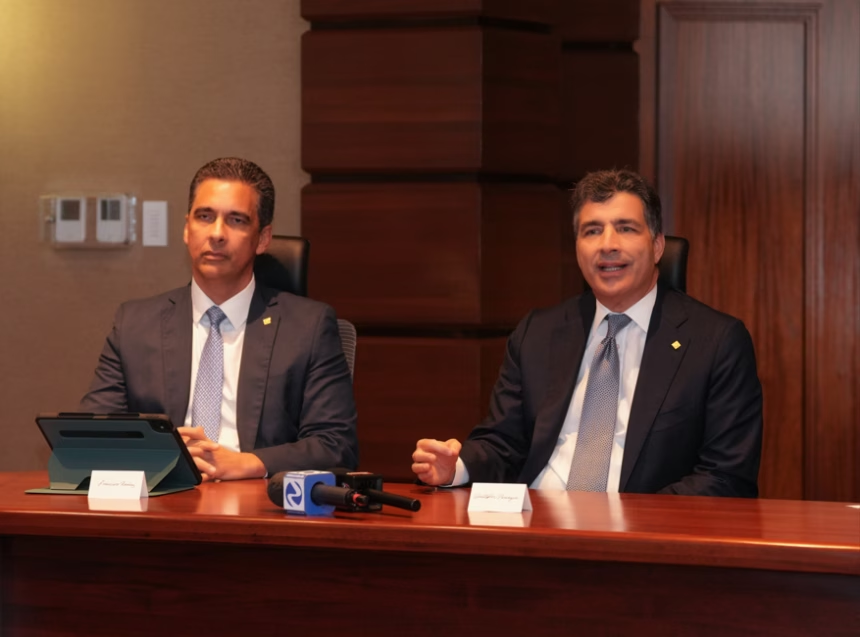
Christopher Paniagua, executive president of Banco Popular, has pointed out that there is limited room for maneuver to address the request from the National Association of Gasoline Retailers (Anadegas) regarding the reduction of commissions for credit and debit card payments at service stations.
The reality of the transaction itself is that they have the lowest commission level and there are related costs by the processors and the brands that leave little flexibility to reduce that commission any further.
Christopher Paniagua, Executive President of Banco Popular
Paniagua explained that the gas station sector already has the most competitive rates in the market, a result of sustained support from issuers and acquirers over the years. The executive stressed that operating costs, imposed by processors and international brands such as Visa and Mastercard, condition any further adjustment to current rates.
Economic impact on the gas station sector
The controversy arises in a context where retailers are facing considerable financial pressure. Currently, processors apply commissions that vary between 1.95% and 2.50%, which represents a direct impact on the profit margin of fuel entrepreneurs:
- The financial cost for retailers ranges between RD$6.59 and RD$8.45 for every gallon sold.
- Bank commissions consume between 25% and 36% of the stations’ gross profitability, considering that margins are regulated by the State.
- Between 50% and 70% of fuel sales in the country are already processed through electronic payment methods.
- The service station sector accounts for 10% of total credit card sales nationwide.
Advances in digital payments with Toke
Despite the situation with retailers, Banco Popular highlighted the positive results of its digital payment ecosystem, Toke. In just six months of operation, the platform has achieved significant milestones in the country’s financial inclusion:
- More than one million registered users.
- Incorporation of 30,000 micro-businesses into the formal system.
- Promotion of mass adoption of digital payment methods in the Dominican Republic.
Paniagua reaffirmed during the meeting at the Torre Popular that the institution maintains its commitment to facilitating access to the financial system, while acknowledging the global challenges posed by the increase in fuel prices for the Dominican economy.