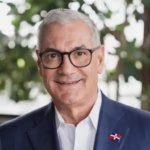
Andrés Astacio advocates for a comprehensive modernization of the electricity sector in the face of growing demand
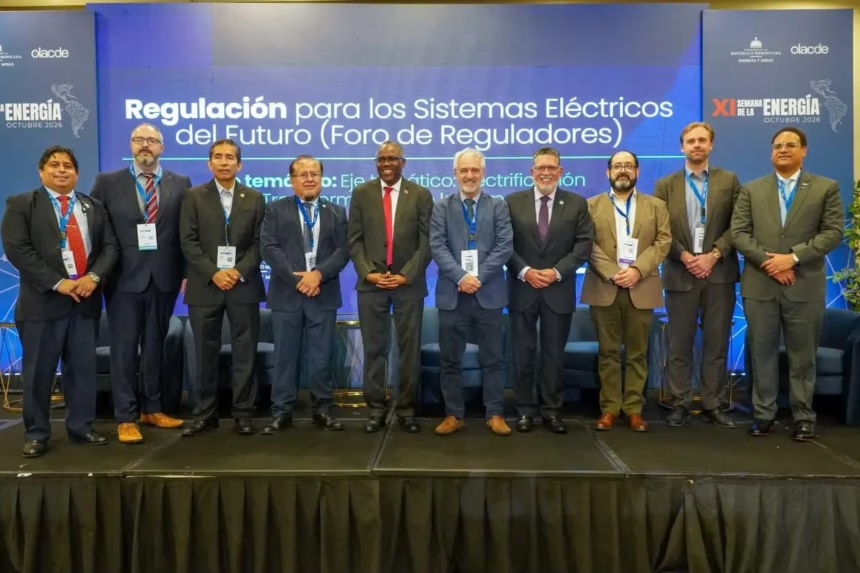
The Superintendent of Electricity, Andrés Astacio, underscored the urgency of adapting both the country’s infrastructure and regulatory framework to address the evolution of energy consumption and the rapid integration of new technologies. During his participation in the forum “Regulation for the electrical systems of the future,” within the framework of the IX Energy Week, the official emphasized that the transformation must focus on the real needs of the user.
Astacio highlighted that digitalization and automation have increased dependence on the electrical grid, which demands higher quality and continuity in supply. According to the data presented, the Dominican Republic is experiencing an annual growth in energy demand of 5%, a pace that challenges traditional planning methods.
Challenges and solutions in the face of the new energy paradigm
The head of the Superintendency of Electricity explained that construction times for large generation plants are usually extensive, while the demand from productive sectors and the public is growing at a faster rate. Therefore, he proposes a strategy based on three fundamental pillars:
- Intensive use of renewable sources, especially photovoltaic energy.
- Implementation of advanced energy storage systems.
- Updating regulations to manage the integration of distributed resources.
Technology must be part of the solution, accompanied by clear operational rules that allow for improved coordination and ensure the system’s reliability in the face of operational phenomena that exceed current parameters.
Andrés Astacio, Superintendent of Electricity
The rise of the prosumer and regional cooperation
A key point in Astacio’s analysis is the emergence of the “prosumer,” that user who not only consumes energy but also has the capacity to generate it and contribute it to the system. This change in role requires a more flexible and resilient regulatory vision.
The forum, which served as a meeting point for experts from the region, was attended by delegates from Honduras, Haiti, Uruguay, and Guatemala. These representatives shared their experiences on how their national markets are facing the energy transition, seeking joint solutions to strengthen operational resilience and the security of electrical systems in an increasingly interconnected global environment.