

Adjustments in the Classification of the Japanese F1 Grand Prix
The Fédération Internationale de l’Automobile (FIA) has made changes to the rules for the qualifying session of this weekend’s Japanese Grand Prix. This is due to concerns about how the drivers would have to manage energy in the high-speed sections of the track. The new power unit regulations for 2026 have placed a greater emphasis on electrical energy this season, affecting how drivers approach qualifying and races. A notable change has been the need to collect electrical energy on the qualifying laps, which has led to a decrease in the speed of the cars towards the end of the straights, even though the driver keeps the accelerator fully pressed.For each race this season, the FIA has set a maximum amount of energy that can be recovered in a qualifying lap. Originally, in Suzuka, the limit was nine megajoules of electrical energy. However, during the pre-race simulations this weekend, teams noticed that having such a high limit encouraged “lift and coast” (a driver’s practice of lifting off the accelerator before braking for a turn) and “super cuts” (when the V6 engine is partially used as a generator to charge the battery).The new generation of F1 cars are “Formula E on steroids.”
Max Verstappen
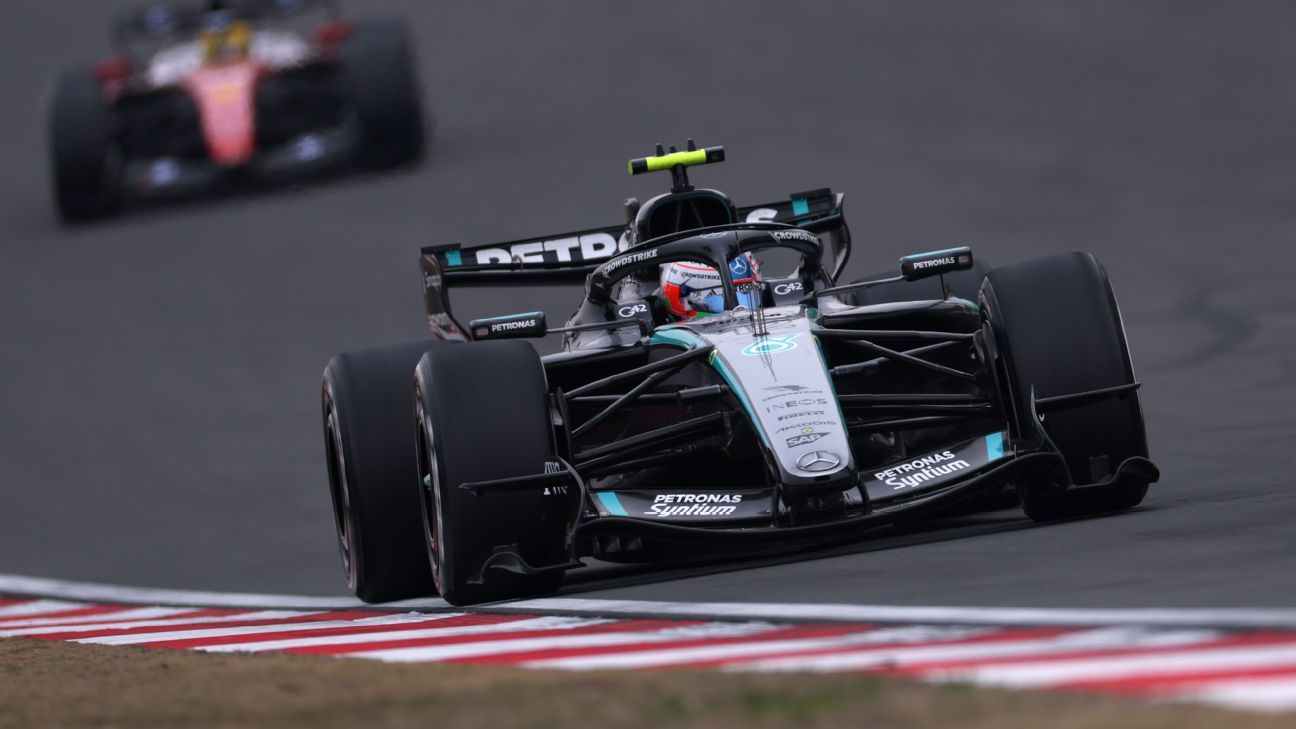
The FIA will continue to debate energy management in the coming weeks. Haas driver Oliver Bearman argued against the change.After discussions between the FIA, F1 teams and power unit manufacturers, a minor adjustment to the energy management parameters for qualifying at the Japanese GP was agreed with the unanimous support of all power unit manufacturers.
FIA Statement
Bearman indicated that although they would no longer have to lift and slide, they would still have to recharge energy and would spend a lot of time without energy.This only makes us even slower.
Oliver Bearman