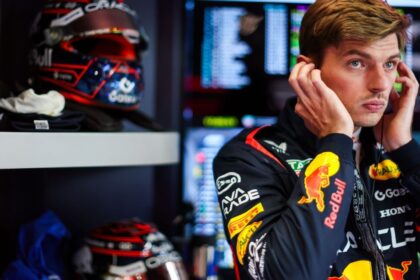

The first race of the new Formula 1 era, although divisive, has left an indelible mark. Some fans were disappointed by the energy management and strategies on the straights, while others enjoyed the unpredictability and overtaking at the Australian Grand Prix. However, this race is unlikely to be an accurate reflection of what we will see in the 2026 season. The Albert Park circuit design influenced how the cars managed energy, which generated a spectacle similar to Mario Kart in the first round. The Chinese Grand Prix, with a circuit that allows for better energy recovery, could present a different picture of the new formula. Both F1 and the FIA have expressed their desire to evaluate performance on a more traditional circuit before making adjustments to the regulations.
Key Concerns in the New Formula 1
- Will the qualifying laps disappoint again?
- Will the overtakes be artificial?
- Are closing speeds dangerous?
- Are the starts an accident waiting to happen?
- Does the straight-line mode need adjustments?
1. Classification: Energy Problems?
During the qualifying in Australia, the cars ran out of electrical energy. This is due to the new power unit regulations, which seek a 50/50 distribution between the internal combustion engine and the MGU-K hybrid system. The MGU-K cannot recover enough energy to provide the 350kW of maximum electrical power in each full acceleration. A complex algorithm manages the energy, prioritizing its use to reduce lap time and recharging the battery when regeneration has less impact. This system was noticed at Turn 9 in Australia, where some cars lost speed despite full throttle. “Super clipping”, an energy recovery mode, was also evident, allowing the MGU-K to steal energy from the V6 turbo engine to recharge the battery. George Russell, even on his pole position lap, lost momentum due to “super clipping”, which forced him to downshift before the turn. The fans, accustomed to seeing the drivers at the limit in qualifying, were not impressed.Managing electrical energy was crucial in the classification. Although they had the same hardware, McLaren and Williams, Mercedes customers, were far behind Mercedes in understanding how to manage energy, which cost them several tenths of a second. The skill of the software engineers and their algorithms may have had a greater impact on the grid than the skill of the driver. If this continues, the main appeal of the classification will be lost. The classification at the Shanghai International Circuit is expected to be less extreme, although energy management will still be necessary. The circuit design, with more stops and medium-speed corners, reduces the time of full acceleration. In addition, energy recovery in the classification will be extended to 9 megajoules per lap in China.A cool-down lap is officially the pole lap.
Comment from a fan on YouTube
2. Overtaking: Artificial?
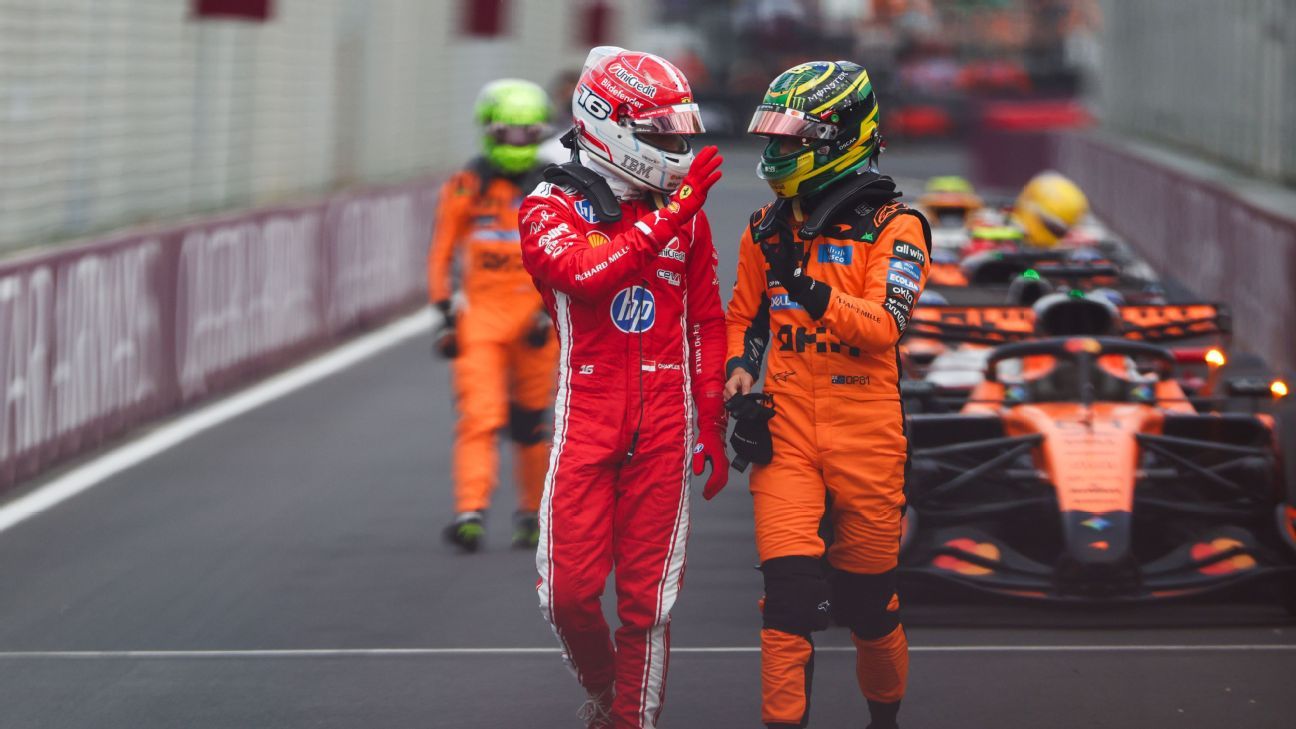
The exciting overtakes at the Australian Grand Prix have been questioned for being “artificial”. Charles Leclerc compared the use of the overtaking mode to using a “mushroom” in Mario Kart. There is concern that the art of late-braking overtakes may be lost due to the possibility of gaining a significant boost with just the push of a button.This new style of racing has been compared to high-speed chess, where drivers who risk all their electrical energy in one move become easy targets.I think it will definitely change the way we race and overtake. Before, it was more about who is the bravest in braking later, maybe now there is a bit more of a strategic mind behind every move you make.
Charles Leclerc
In China, the situation is expected to be less extreme, and the circuit design could make overtaking strategies predictable. Although the boost button could open up overtaking opportunities at Turn 6 and beyond, Russell believes that the need to save electrical energy for the 1.2-kilometer straight will make drivers think twice before using too much energy elsewhere.Every time you activate the boost button, you know you’re going to pay a high price afterwards. So you always try to think several steps ahead to try to finish first, but it’s a different way of racing, for sure.
Charles Leclerc
You know, we’re going to Shanghai, where you have a big straight, so most drivers will use their energy on that straight. You don’t need to divide it by four [straights] like in Melbourne. So, everyone is very quick to criticize things, but you have to give it a chance, you know?
George Russell
3. Danger at Closing Speeds
The new regulations have also raised safety concerns. Lando Norris believes that the closing speeds between drivers using boost mode and those recovering energy are so high that they could cause an accident.Andrea Stella, McLaren team principal, also expressed his concern, stating that the problem is “inherent to the regulation and not the circuit”.It’s a chaos, and we’re going to have a big accident, which is a shame because we are driving and those who are just waiting for something to happen and for it to go quite wrong, and that’s not a good position to be in.
Lando Norris
It’s quite tricky when you have cars very close to you that may or may not have deployment in progress. It creates this speed difference. This becomes quite unpredictable and, even from this point of view, I think Lando said that in his previous comments, we shouldn’t be happy because nothing happened. We must always be at the forefront when it comes to safety.
Andrea Stella
4. Startups: Accidents Waiting to Happen?
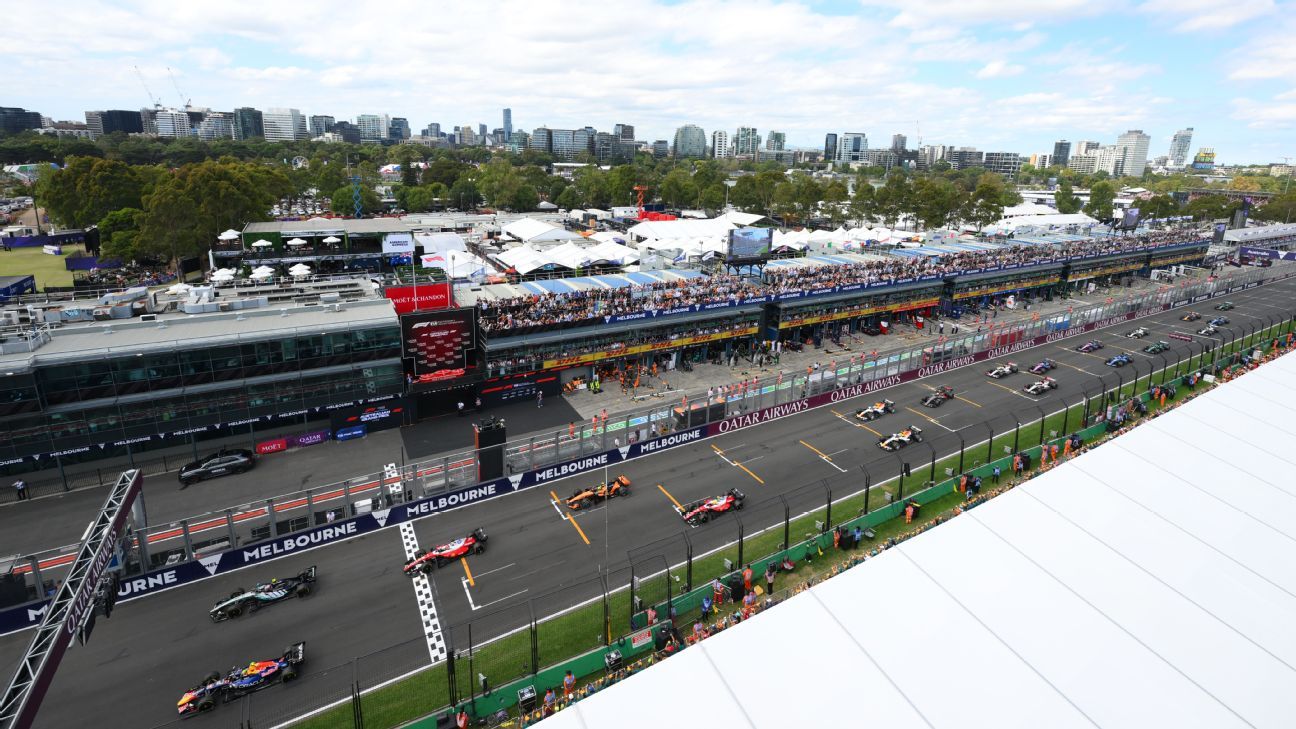
Variations in performance on the exit line were anticipated due to the new engines, which induce turbo lag. The 2026 regulations eliminated MGU-H technology, which means the turbo must now rely on the traditional method of using exhaust gas to spin, requiring the engine to be kept at high rpm before starting. If this is not done, the engine may stall, as happened to Liam Lawson’s Racing Bull, creating a moving obstacle in the middle of the grid. Only Franco Colapinto’s reflexes avoided a collision in the early moments of the race. Stella had already raised this danger during pre-season testing, and it might be necessary to address it if significant variations in performance on the starting line cause accidents.The Chinese Grand Prix weekend will feature two race starts: one for Saturday’s sprint race and another for Sunday’s Grand Prix. Although the start-finish straight is slightly wider than Australia’s, this will not make a difference if a driver doesn’t see a slow-moving car shortly after the lights go out.Today’s start was almost an accident and there was a big speed difference on the grid. We can hope for the best or we can do something more to make sure we reduce this speed difference.
Andrea Stella
5. Straight Line Mode: Needs Adjustments?
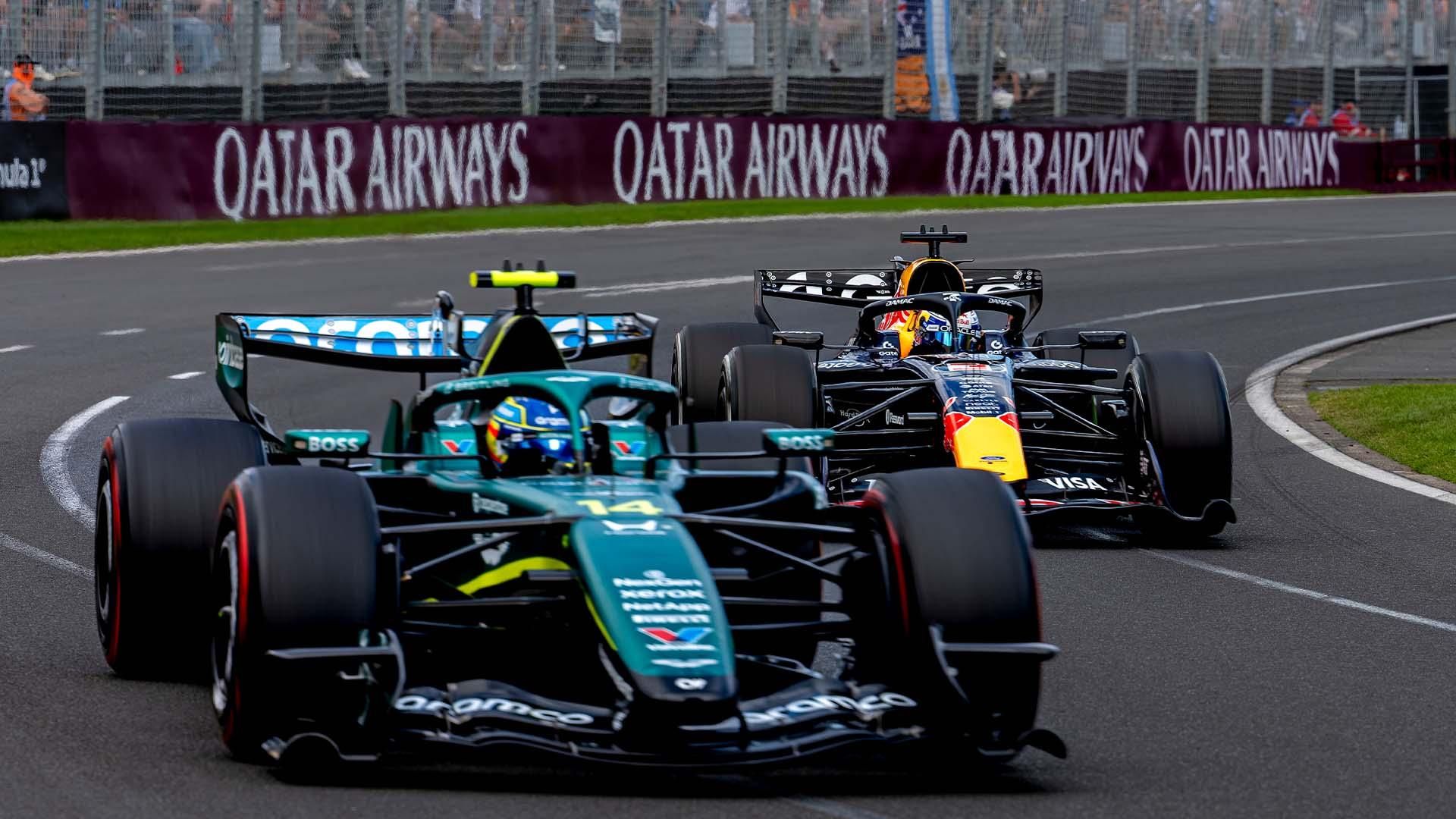
A safety concern that generated confusion in Australia was the use of active aerodynamics. Pilots have two wing configurations to choose from: one for straights and one for corners. The straight line mode (SLM) is only available in areas designated by the FIA and is activated from the cockpit. After Friday’s practice in Australia, a driver noticed that his car felt unstable near rivals in the curved section of the SLM zone. The FIA responded by removing the corresponding SLM zone before the final practice. After criticism from the teams and drivers, the FIA reinstated the SLM zone. The use of SLM and its power will continue to be a topic to be addressed. Russell suggested that the front wing not be lowered so aggressively in straight-line mode.In China, there are four SLM zones, but only one has a curve and it is not as pronounced as the S curve in Australia. The reaction of the drivers after the race will determine whether the FIA will take action in Japan.I think, after having experienced today’s race and having struggled, the only thing I would ask the FIA is that, with the straight-line mode, the front wing doesn’t go down so aggressively. When we open the straight-line mode, we will have a lot of understeer, and when I was behind Charles and trying to get out of his slipstream, it was as if my front wing wasn’t working. So, from a safety point of view, that would make the races safer and better. I don’t see any disadvantage in doing so.
George Russell