

John Cena: From the Ring to the Rhythms of Hip-Hop
Before being recognized as one of the greatest wrestlers of all time, John Cena was at a moment of uncertainty in the world of wrestling. Despite being identified as the future of WWE in the mid-2000s, he struggled to connect with the audience. In an attempt to stand out, Cena found a new facet on a bus during a European tour, where he participated in rap improvisations with other wrestlers. His skills surprised his colleagues and gave rise to a new character: “The Doctor of Thuganomics”. This persona revitalized Cena’s career, propelling him to stardom. But his foray into rap on “SmackDown” wasn’t just a strategy; it was an extension of his passion for hip-hop.Cena’s improvisations evolved into the album “You Can’t See Me”, released on May 10, 2005. The album combined his witty rhymes with underground production. It debuted at number 15 on the Billboard 200 and included his entrance theme, “The Time Is Now”, which he still uses 20 years later. Cena collaborated with underground artists, demonstrating his respect for hip-hop culture. This led him to work with lesser-known artists but with cult followings. Bumpy Knuckles, whose real name is James Campbell, acknowledged Cena’s authenticity and dedication to hip-hop. Campbell met Cena before the wrestler appeared on New York’s Hot 97 radio station. Cena had a clear motivation for making an album: he was not satisfied with the rap music that WWE provided him.He was a boy who liked rap, and then he became a fighter.
Esoteric
Thus, the seeds of “You Can’t See Me” were sown.Maybe I can make better music than the rap music they’re making for me in Connecticut.
John Cena
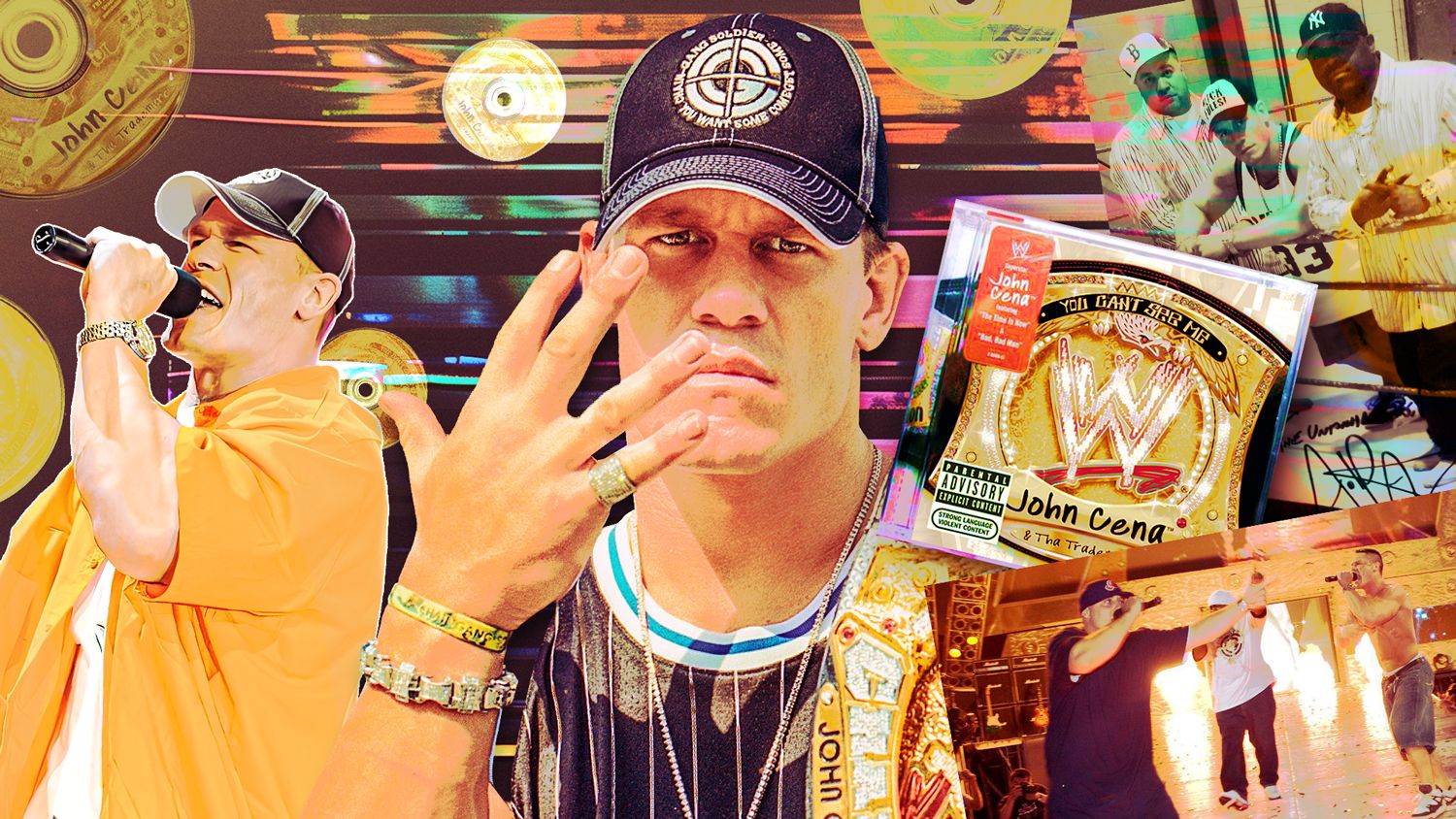
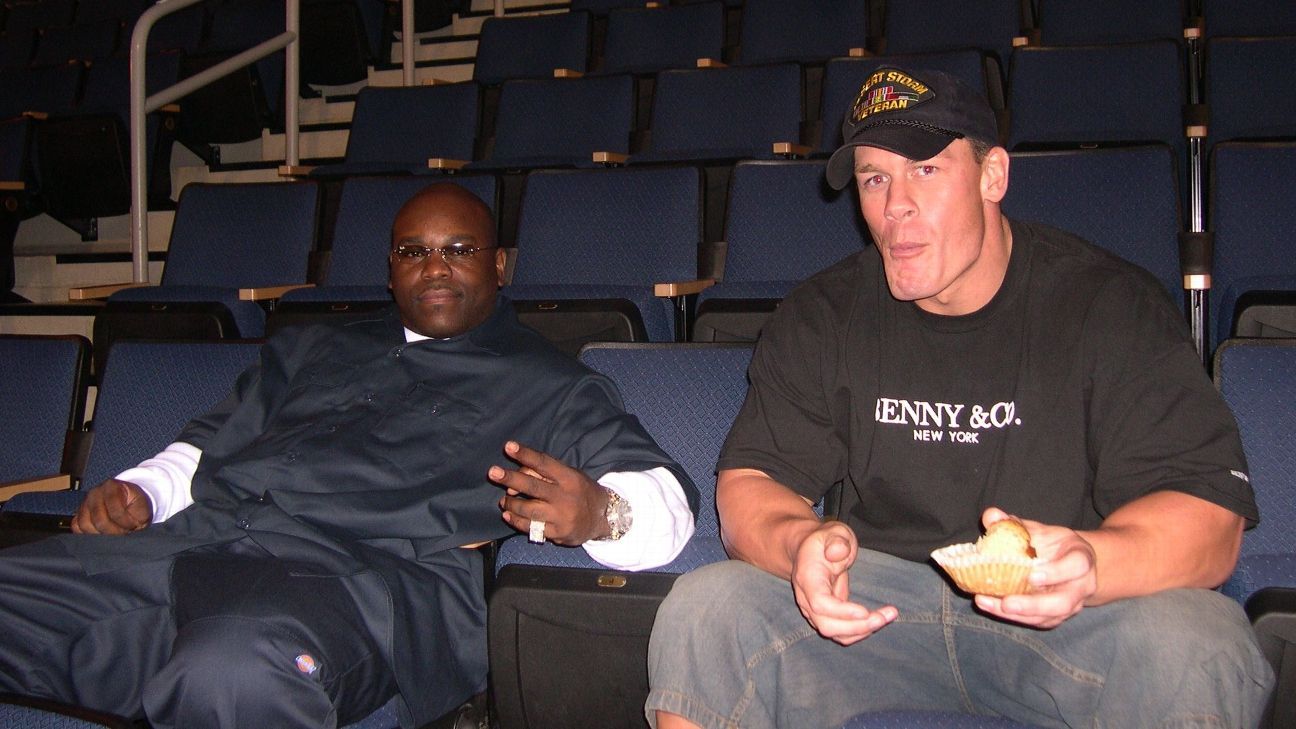
Cena collaborated with key figures of the underground rap scene, demonstrating that he was not exploiting the culture. Murs, a collaborator on the remix of “H-U-S-T-L-E” in 2004, highlighted Cena’s authenticity and his respect for the culture. Campbell, who participated in four songs, helped shape Cena’s album. They spent time together, from motorcycle rides to meetings with influential figures in hip-hop.[Hip-hop] was a part of me. When I had the opportunity to show that on television, it resonated with the audience.
John Cena
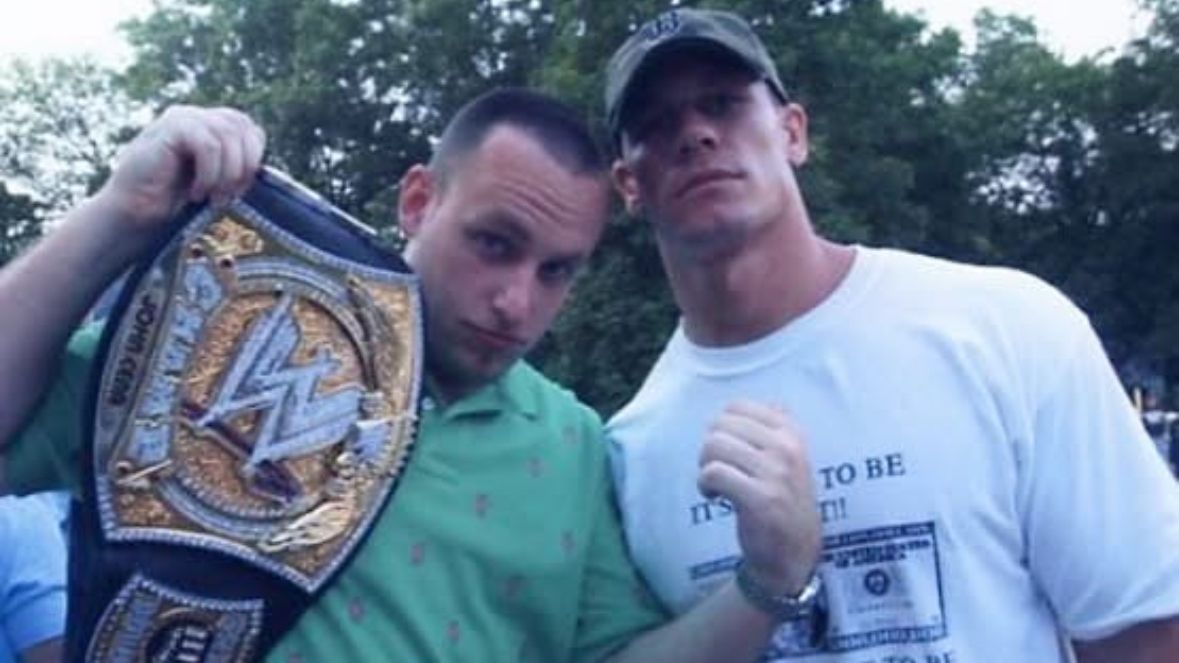
That was the end of Cena’s “Doctor of Thuganomics” version and the beginning of “Hustle, Loyalty, Respect”. Currently, Cena has moved away from hip-hop and has focused on acting. At 48 years old and nearing the end of his career in the ring, Cena has traded his retro t-shirts and improvisations for suits and Hollywood scripts. But “You Can’t See Me” will remain a triumph and a crucial moment in his career. And although he is no longer immersed in hip-hop, Cena will always remain authentically hip-hop.Here, I had a personality that connected with the people who were watching, but then, slowly, the people who were watching changed and more children and more families started coming to these events. I said this is it. We’re going to change right now. I remember going to the office [of former WWE CEO Vince McMahon] and saying, ‘I have to stop rapping’.
John Cena
I don’t think WWE ever told him to act like hip-hop, I think John showed up like that. They just let him do his thing until he got to the point where the product and the audience were changing and he had to do something different. He started playing, and he did it well, as something legendary. You can’t question his hip-hop authenticity with me. Nobody can tell me anything bad about John Cena.
James Campbell