


John Cena: From the Ring to the Rhythms of Hip-Hop
Before becoming a wrestling legend, John Cena was at a crossroads in his career. Despite being considered the future of WWE in the mid-2000s, he struggled to connect with the audience. It was on a bus during a European tour, improvising with other wrestlers, where he found his true identity. His freestyle captivated his peers and gave rise to “The Doctor of Thuganomics”. This character revitalized his career, taking him to stardom. But his improvisations on “SmackDown” were not just a performance; they were an extension of his passion for rap, a facet that defined him before the shorts and retro t-shirts.From those improvisations came the album “You Can’t See Me”, released on May 10, 2005. The album fused Cena’s ingenious rhymes with underground production. It debuted at number 15 on the Billboard 200 chart and generated its entrance theme, “The Time Is Now”, which is still used 20 years later. His retirement match is expected on December 13th.He was a kid who liked rap, and then he became a wrestler.
Esoteric (Seamus Ryan), friend of Cena
Cena, a hip-hop purist, was inspired by artists like Gang Starr, Hieroglyphics, and Wu-Tang Clan.His intentions were pure, and when he had the opportunity to merge both, he went for it.
Ryan
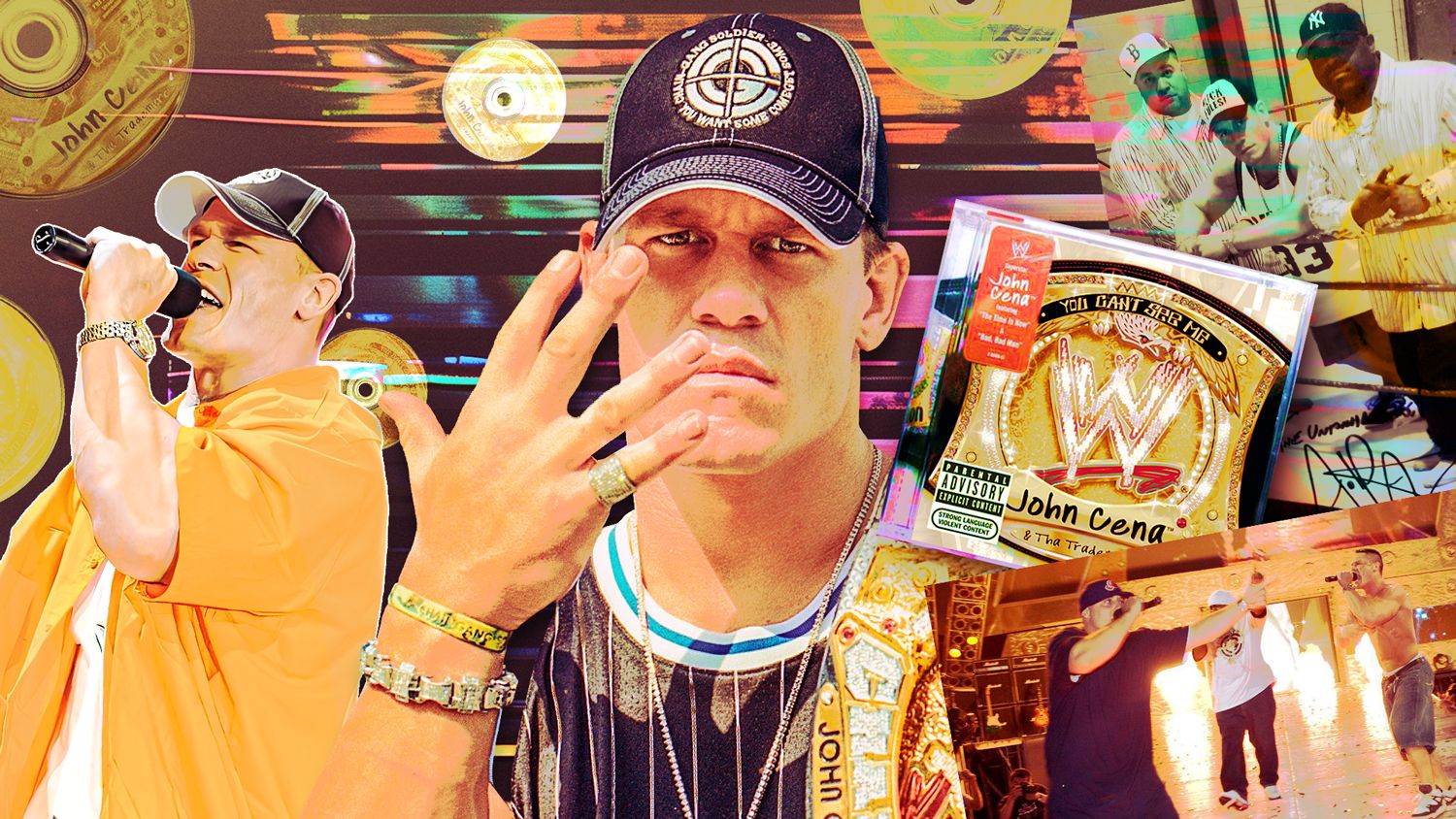
Cena sought to create music that represented his tastes, instead of the generic rap of the WWE. Thus were born the seeds of “You Can’t See Me”. In the 2000s, producer Jake One was looking for his big break in music. Despite working with renowned artists, his most recognized song came from a CD of beats that he gave to a wrestler for his debut rap album.I knew this guy could be better than I thought.
Campbell
I had no idea who John Cena was.
Jake One
For three beats, the Seattle producer received $30,000. On March 17, 2005, Cena released “The Time is Now”, produced by Jake One. Despite not having obtained royalties, the producer is grateful to have been part of a crucial moment in Cena’s career.
The album “You Can’t See Me” with Trademarc, offered 17 songs full of bravado. Unlike other forays into rap, Cena exuded authenticity, from his rings to his witty rhymes and his taste for production.It’s one of those things that refuses to go away. I hear it everywhere, and that’s the coolest thing.
Jake One
Cena collaborated with key figures in underground rap, demonstrating his respect for the culture. Murs, a veteran of the California hip-hop scene, collaborated with Cena on the remix of “H-U-S-T-L-E” in 2004. Cena did not charge for his participation and delivered his verse in 48 hours.Hip-hop was a part of me. When I could show that on television, it resonated with the audience.
Cena
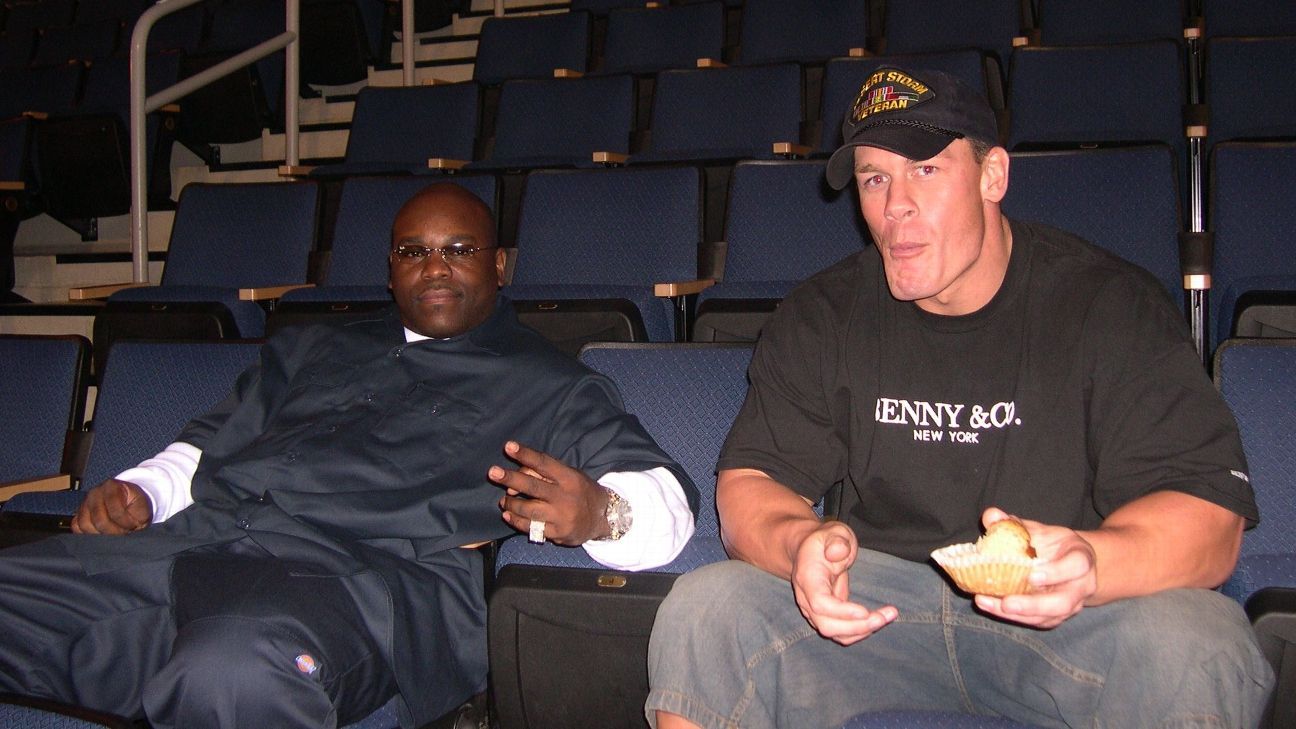
Ryan, who participated in the song “Beantown”, said that the final product exceeded expectations.I only rapped on records with John Cena and was his comrade to make sure he was seen as a real hip-hop artist.
Campbell
The album received mixed reviews. Two decades later, Cena has evolved. He left behind the rhymes and the daring image for a more polished and “healthy” version.It would sound like home with the kind of hip-hop we create. After all, it was influenced by the same artists as us, and his dedication to what he sets out to do is immeasurable.
Ryan
That’s how “The Doctor of Thuganomics” ended and “Hustle, Loyalty, Respect” began. Cena has moved away from hip-hop to focus on acting. Despite everything, “You Can’t See Me” is still a triumph and a crucial moment in his career.I had a personality that stuck to the people who were watching, but then, slowly, the people watching changed and more children and more families started coming to these events.
Cena
I don’t think WWE told him to act like hip-hop, I think John showed up like that. They just let him do his thing until it got to the point where the product and the audience were changing and he had to do something different. He started playing, and he did it well, like something legendary. You can’t question his authenticity in hip-hop with me. Nobody can tell me anything bad about John Cena.
Campbell


