The WNBA at a Crossroads: Key Negotiations for the Future
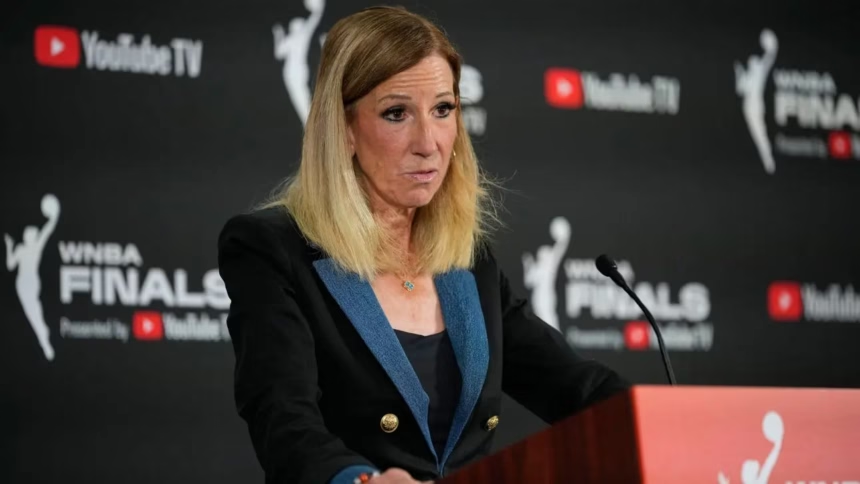
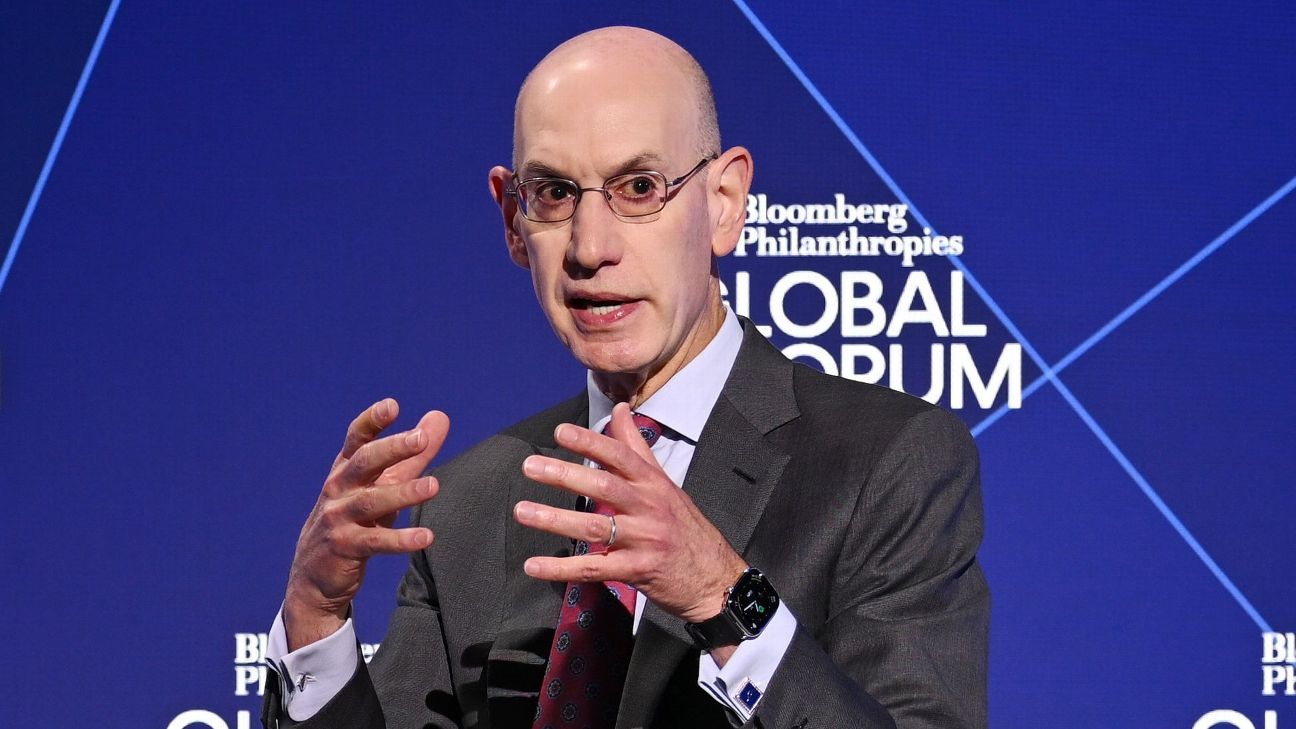
In the world of women’s basketball, the WNBA’s collective bargaining agreement (CBA) negotiations are at a crucial moment. While the league seeks to consolidate its growth and ensure the prosperity of its players, the positions of management and the players’ association diverge on certain key points. Adam Silver, NBA commissioner, and Cathy Engelbert, WNBA commissioner, have tried to present an image of unity, but tensions are evident.
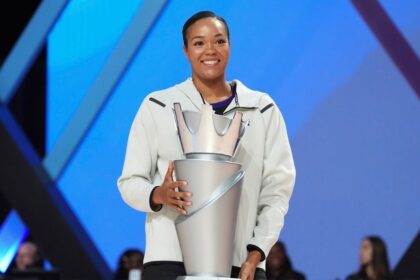
The players’ association has adopted a more forceful stance, publicly expressing their concerns and criticizing the league’s negotiation tactics. Napheesa Collier, a member of the executive committee, has been particularly critical of Engelbert’s leadership.
In response, the WNBA has defended its position, highlighting the league’s financial growth. With the increase in franchise value, a new television deal starting in 2026, and expansion to 18 teams by 2030, the WNBA seems to be at its best since its launch in 1997.
The management’s perspective focuses on the need to maintain financial growth to ensure profitability and reward the players, who are the main engine of this growth.
The original October 31 deadline for the CBA was extended 30 days, until the end of November. As negotiations progress, the key points at stake for the players and the management perspective are examined.Cathy Engelbert assumed the role of WNBA commissioner in July 2019, right in the middle of the previous CBA negotiations. Six years later, the league has experienced significant growth, including a $2.2 billion media rights deal and expansion to 18 teams by 2030.
However, the last few months have been turbulent for Engelbert, with criticism of management and arbitration. The commissioner now faces the task of negotiating an agreement that significantly increases the salaries and compensation of the players, incentivizing the investment of the owners and ensuring the long-term viability of the league.
Regarding his future, Engelbert has expressed his determination to solve the problems and not give up. However, his continuity will ultimately depend on the decisions of Adam Silver and the owners.Adam Silver, NBA commissioner, has witnessed the development and launch of the WNBA. His goal is for the WNBA to operate independently under the umbrella of the NBA. The financial progress of the WNBA in recent years has led Silver to get more involved, especially with the interest of more NBA franchises in the women’s league.
The ongoing situation with the Connecticut Sun team, regarding its possible sale or relocation, is an example of the challenges facing the league.
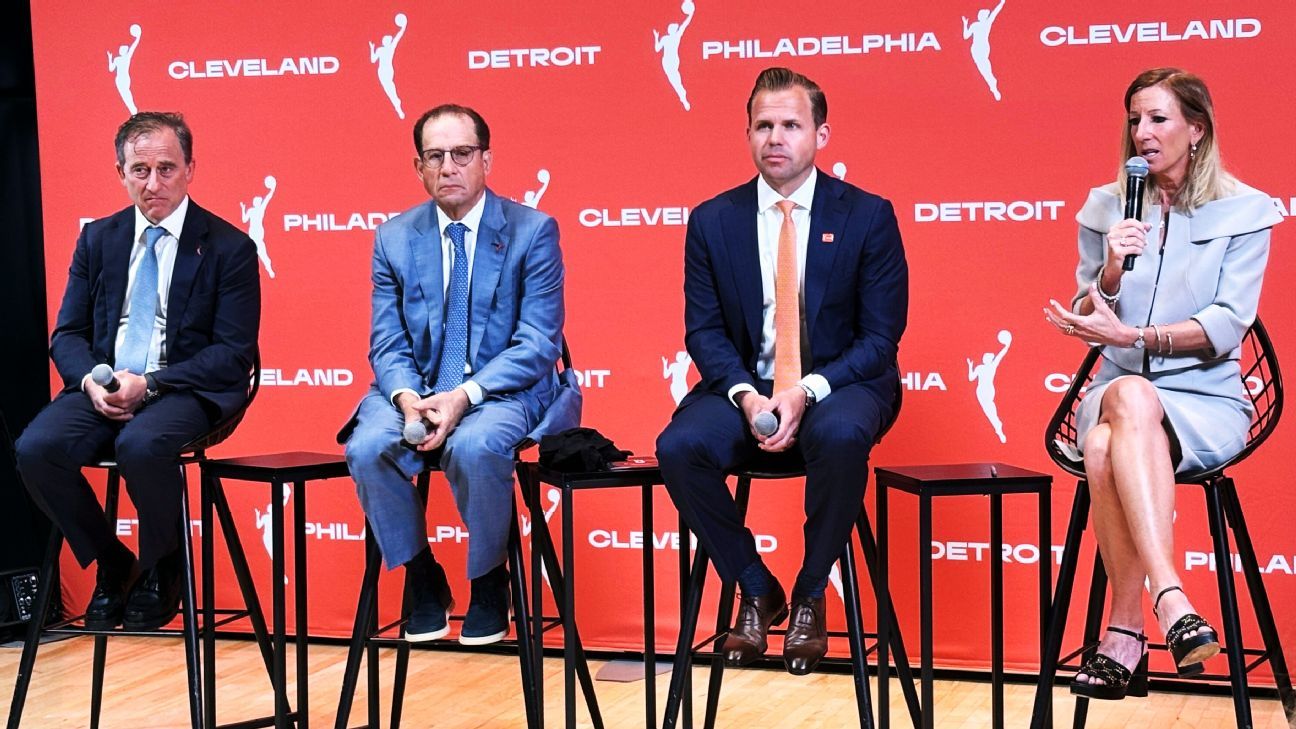
Silver, like his predecessor David Stern, wants the WNBA to become financially established as an important part of the NBA’s global brand. This CBA could define his legacy in the WNBA.The WNBA owners are divided into two categories: millionaires and billionaires. Joe Tsai, owner of the New York Liberty, is an example of an owner willing to invest in his team to make it a world-class franchise. Other owners like Joe Lacob (Golden State Valkyries), Mark Davis (Las Vegas Aces), and Mat Ishbia (Phoenix) share this vision.
These owners, who also own NBA teams or other professional sports, see the WNBA as an investment and are willing to give the players a larger share of the revenue.Independent owners, such as those of the Seattle Storm and Connecticut Sun, have been crucial in keeping the WNBA afloat. These owners often have more limited resources and focus on controlling expenses and maintaining a level playing field.
The league’s expansion to 18 teams, with the arrival of Portland and Toronto in 2026, adds a new dimension to the CBA negotiations.The expansion to new teams, such as Portland Fire and Toronto Tempo, which will begin playing in 2026, largely depends on the new CBA, as the rules for the expansion draft must be agreed upon.General managers, although not directly in negotiations, are directly affected by the CBA rules. The salary cap and roster construction rules impact their decisions.
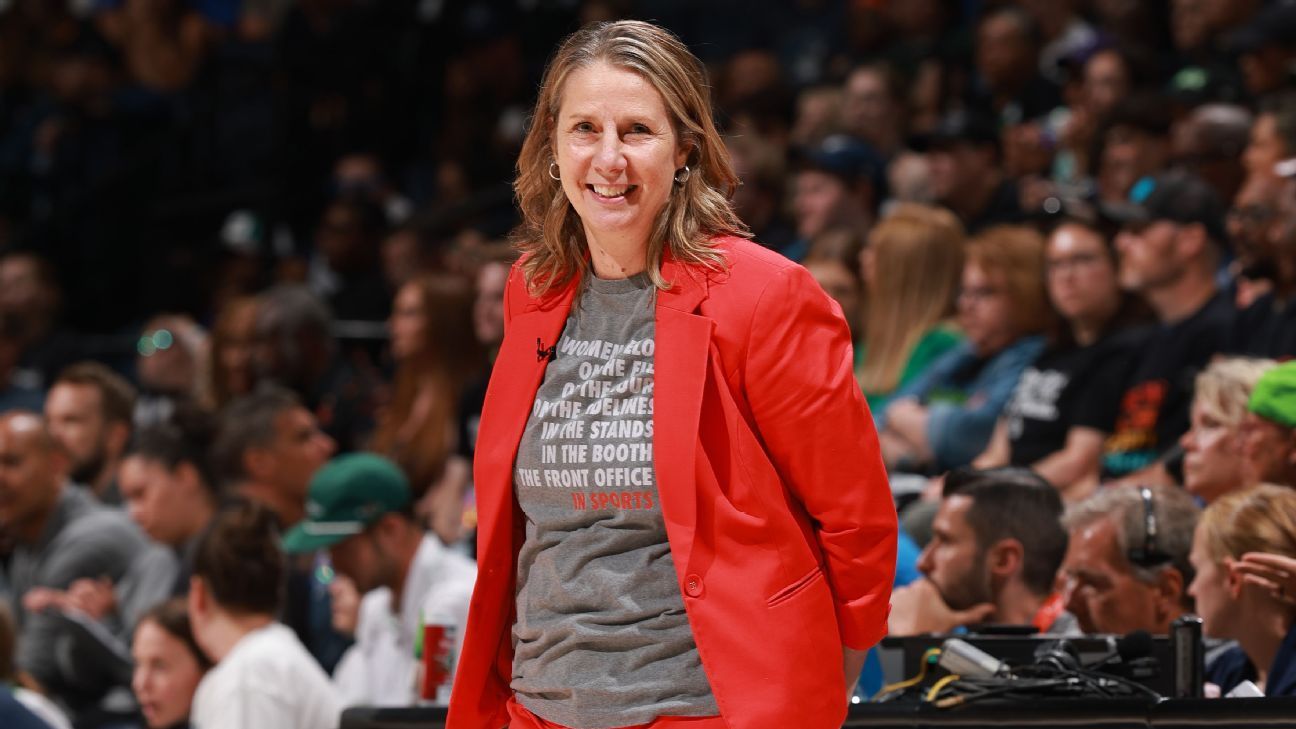
General managers are attentive to the flexibility that the new CBA could offer them, especially with regard to the management of the squads and transfers.Coaches, such as Cheryl Reeve, Sandy Brondello, and Becky Hammon, are also impacted by the CBA. This agreement will affect aspects such as the prioritization of players, the size of the rosters, and the improvement of refereeing.
The coaches, who have been players or assistants in the NBA, want the WNBA to be financially stable and continue its growth. Their experience provides them with a valuable perspective on the challenges and opportunities of the league.