
The Future of the WNBA at the Negotiation Table: Perspectives from Management
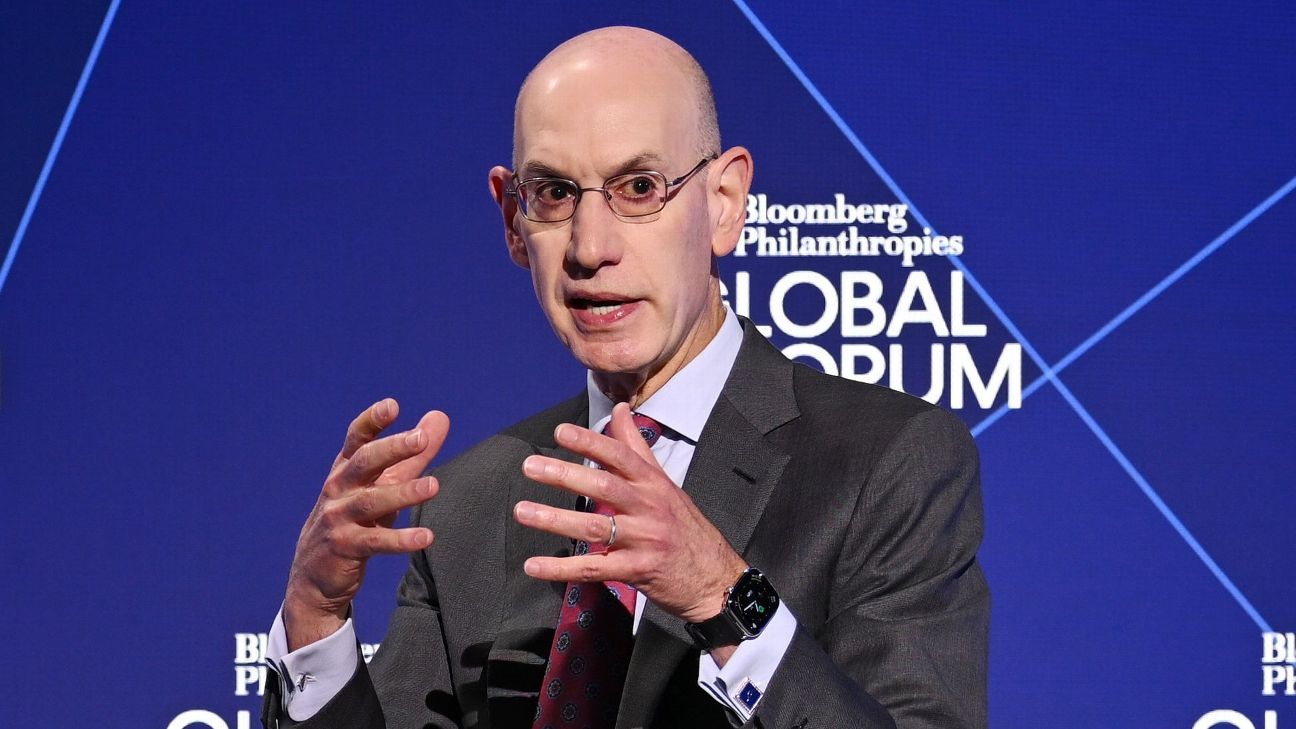
In the world of professional sports, labor negotiations are a sensitive area, often with management assuming the role of “tough guy.” In the WNBA, Commissioner Adam Silver and his counterpart Cathy Engelbert, along with team owners, seek to redefine the current negotiation process, emphasizing shared goals: the continued growth of the league and prosperity for the players. However, the players’ association has adopted a more aggressive stance, seeking public support and criticizing the league’s negotiation tactics, with Napheesa Collier, a member of the executive committee of the Minnesota Lynx, directing her criticism at Engelbert. The WNBA, for its part, has responded to some of the union’s claims, defending the management’s position. With the increase in franchise valuations, a new television deal that will begin in 2026, and the expansion to 18 teams by 2030, the league seems to be at its best financial moment since its launch in 1997. From the management’s perspective, these negotiations seek to ensure the financial growth of the league, turning it into a profitable business, while also rewarding the players, who are the main engine of this growth. The original October 31 deadline for the collective bargaining agreement (CBA) was extended by 30 days, until the end of November. Now, we are halfway through that extended deadline. Amid ongoing negotiations, the key points at stake for the players in the next CBA are being analyzed. Here, we explore the management’s perspective.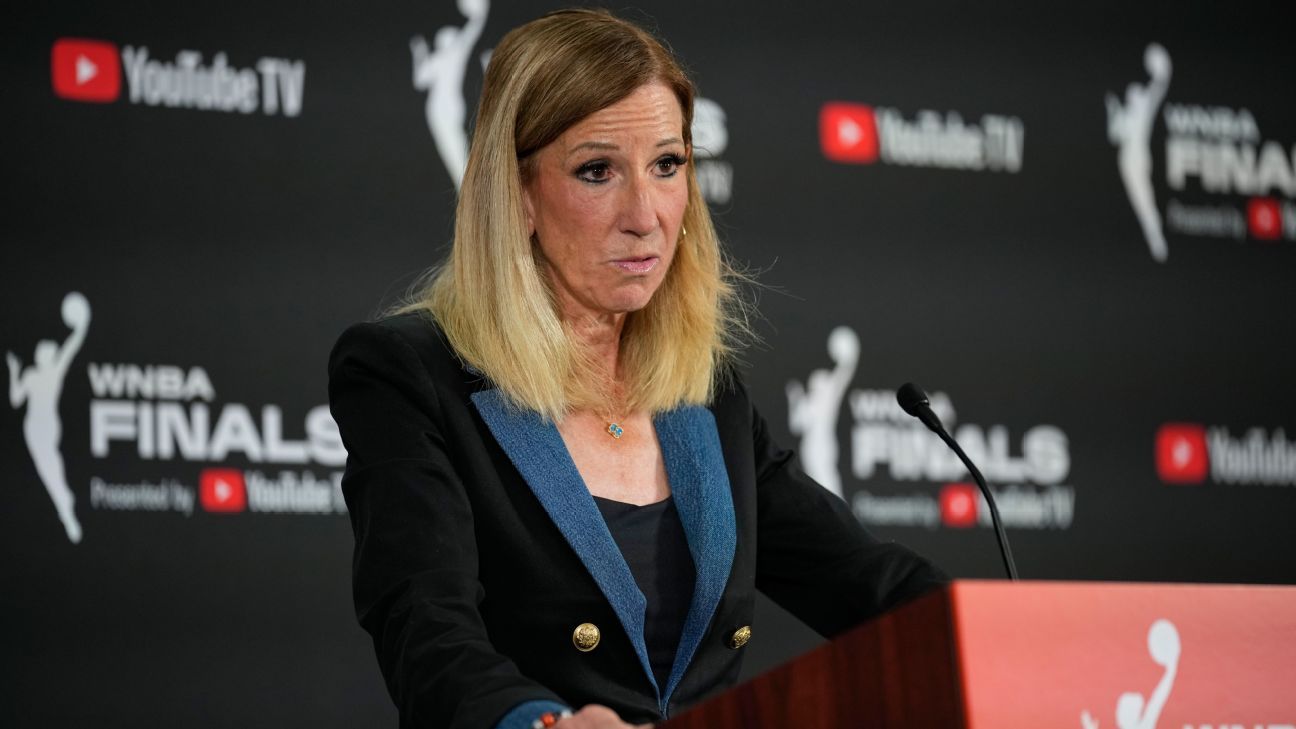
Multimillionaire Owners and Their Impact
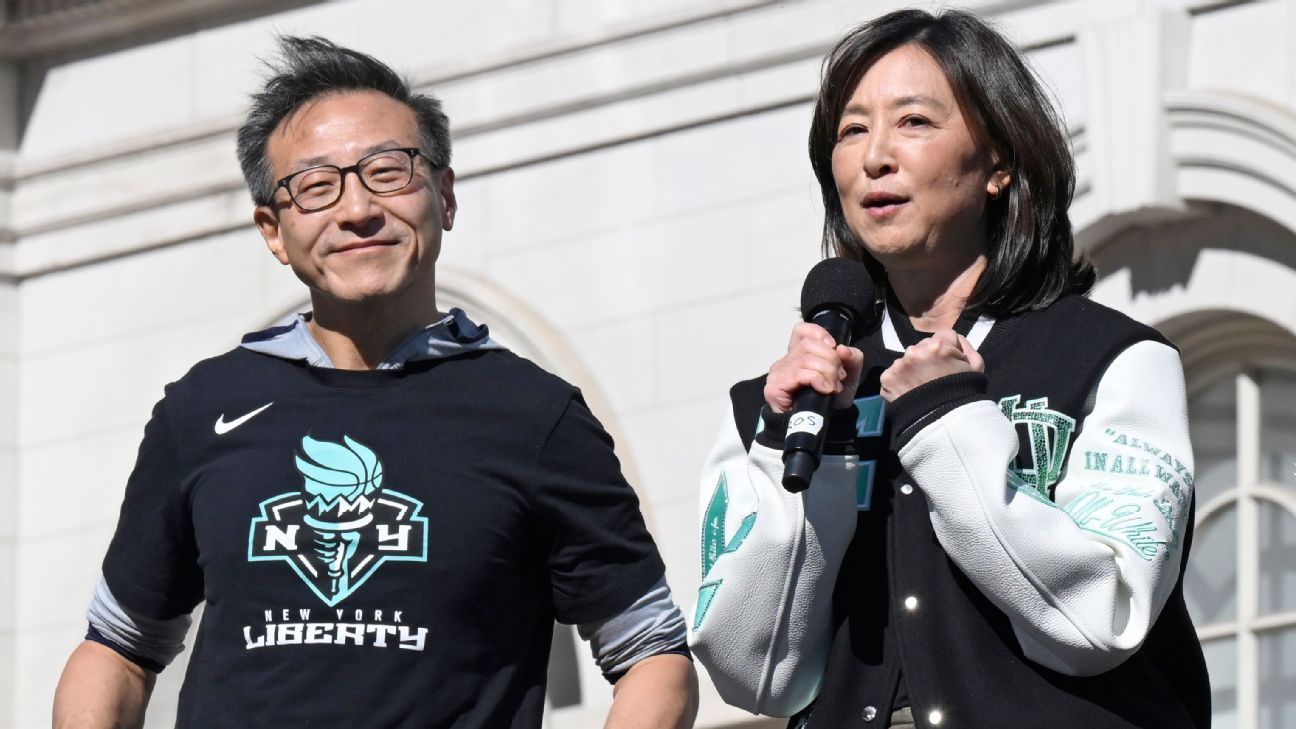
In the WNBA, owners are divided into two categories: millionaires and billionaires. Within these, there is a notable difference in their willingness to invest. Joe Tsai, owner of the New York Liberty along with his wife Clara Wu Tsai, has always been willing to provide what he considers necessary to turn the Liberty into a world-class franchise. He spearheaded the push for charter flights, and before the WNBA allowed it, he did it anyway during the 2021 season (and was subsequently fined $500,000 for chartering flights and other violations of league rules). Joe Lacob (Golden State Valkyries), Mark Davis (Las Vegas Aces), and Mat Ishbia (Phoenix) are in the same category: owners willing to spend money to get higher returns. They are the owners who also own NBA or other professional sports teams, whose WNBA teams play in NBA or larger-scale arenas and have state-of-the-art facilities.Regarding the CBA, they might be willing to accept giving the players a larger share of the revenue because they are confident in the money they will continue to make from attendance, jersey sales, and other sources of income. In October, a source told ESPN that these owners really see the WNBA, like the other teams they own, as an investment business. As long as the product keeps generating money, the owners will invest in it at higher levels.
Independent Owners and the Future of the League
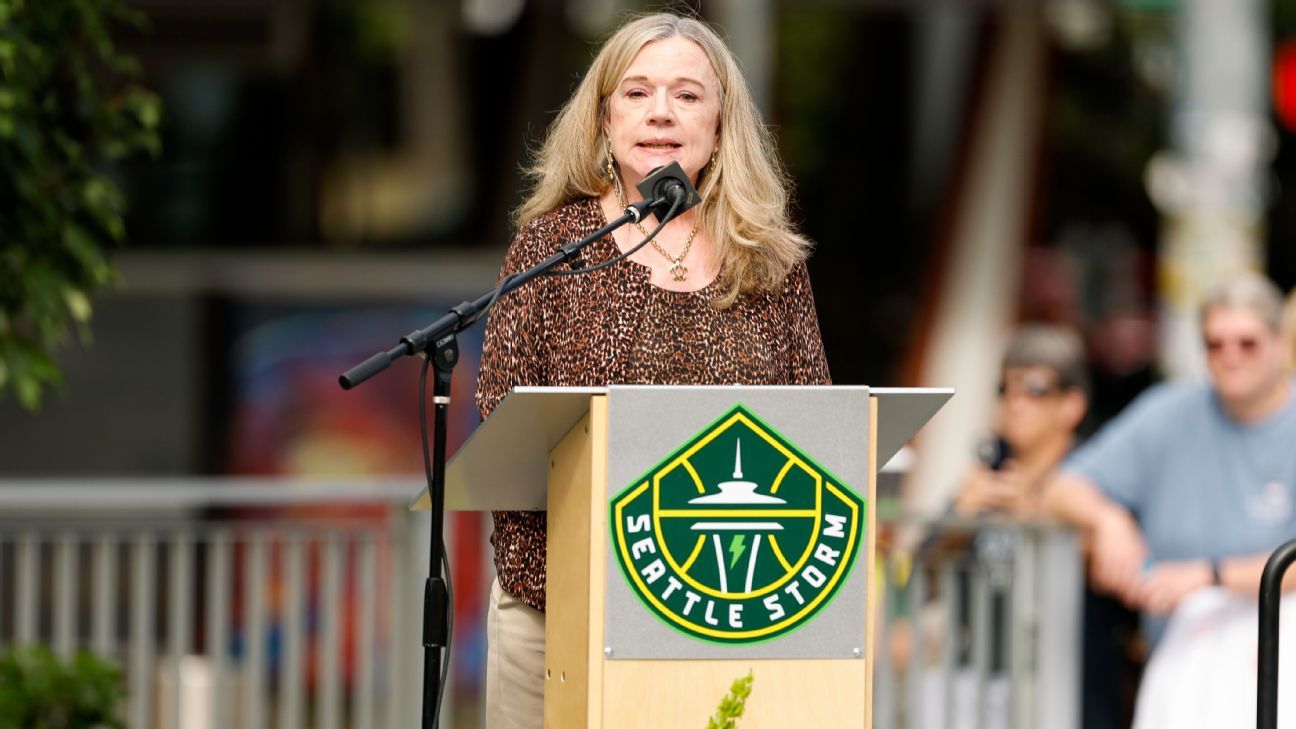
These owners played a crucial role in keeping the WNBA afloat in its early years, when NBA owners lost interest. A group of subscribers kept the Storm in Seattle when the NBA’s SuperSonics moved to Oklahoma City. The Mohegan Tribe was the first independent operator of the WNBA, moving the Orlando Miracle to Connecticut in 2003.Although they were once a key voting bloc, independent owners are now in a clear minority, as NBA owners have seen the renewed financial potential of women’s basketball. Even the possible sale of the Sun has been complicated by the WNBA’s desire to prioritize bidders from the league’s most recent expansion round, which awarded NBA groups the three teams: Cleveland, Detroit, and Philadelphia.
Given their more limited resources, independent owners are understandably more focused on limiting expenses and maintaining a level playing field. They also have the strongest argument for recouping the losses they have incurred in operating their franchises when the WNBA’s revenue streams were not as strong. At the same time, that shouldn’t be confused with a lack of investment. The Storm used a capital raise to build the league’s second WNBA-specific practice facility, which opened in 2024 and remains state-of-the-art.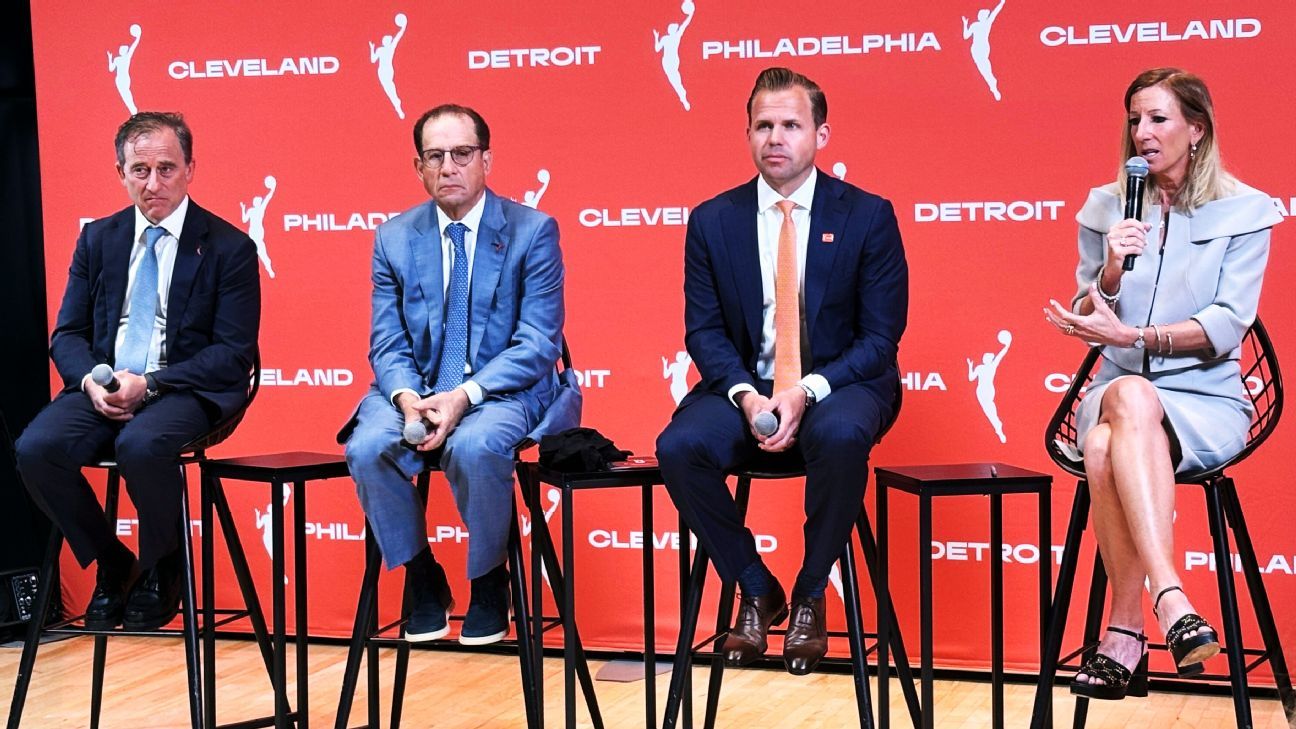
New Teams and the Expansion Landscape
Following the successful debut season of the Valkyries as an expansion team, there are five new teams waiting. The Detroit, Cleveland, and Philadelphia franchises, whose ownership groups also own NBA teams in those respective cities, paid an expansion fee of $250 million, not including investment in practice facilities. The WNBA teams in Toronto and Portland have connections to the NBA, but do not share the same ownership group. The expansion teams most eagerly awaiting a new CBA are the Portland Fire and the Toronto Tempo, who will have their inaugural seasons in 2026. The rules for the next two-team expansion draft must be collectively bargained, so those franchises will not be able to build their rosters until a new agreement arrives.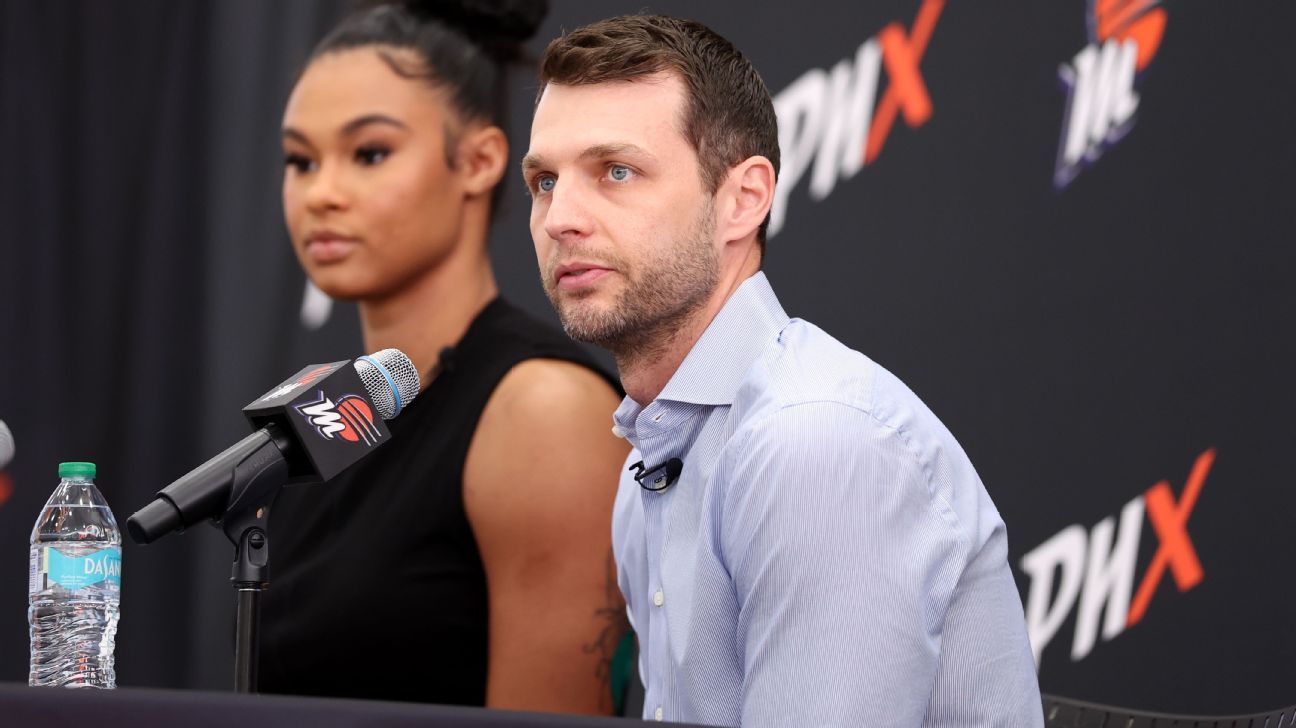
General Managers: Key Pieces in the Puzzle
Although general managers (GMs) are not directly represented at the negotiating table, the rules established in the CBA directly impact roster construction and the financial division between owners and players. Executives, whose role has gained importance compared to 2020, when the GM was also the head coach, will be attentive to the flexibility that the new CBA could provide them. The WNBA’s salary cap has forced more difficult decisions than in the NBA. On the other hand, there are no exceptions to use, and the strict salary cap in the WNBA can make it more difficult to complete mid-season trades. Deals have become increasingly common in recent years, but there is no comparison to the highly successful NBA trades that generate excitement for the playoffs. Limiting the number of protected salaries per team is a restriction that seems to have outlived its usefulness. MVP runner-up Collier played on a non-guaranteed contract to prevent the Lynx from violating that rule. In the short term, GMs also need to know how the WNBA will handle the upcoming expansion drafts, starting with Portland and Toronto this season. With almost all the league’s veterans becoming unrestricted free agents, allowing teams to protect six players, as was the rule for last year’s Golden State expansion draft, could leave the Fire and Tempo with few good options.