The Marathon Tennis Season: An Unsustainable Calendar?
The 2024 professional tennis season officially ended on December 22nd, with Joao Fonseca becoming champion at the ATP Next Gen Finals in Saudi Arabia. However, the 2025 season was already underway on December 27th with the United Cup in Australia. This tight schedule has generated criticism about the physical and mental demands faced by the players.
The short break between seasons reflects the little time tennis players have to rest and prepare. The brevity of the rest, with only a month between the Billie Jean King Cup and the Davis Cup, and the WTA Finals and ATP Finals in mid-November, has intensified complaints about the length of the season and the itinerant nature of the circuit.
I feel exhausted.
Alex de Minaur
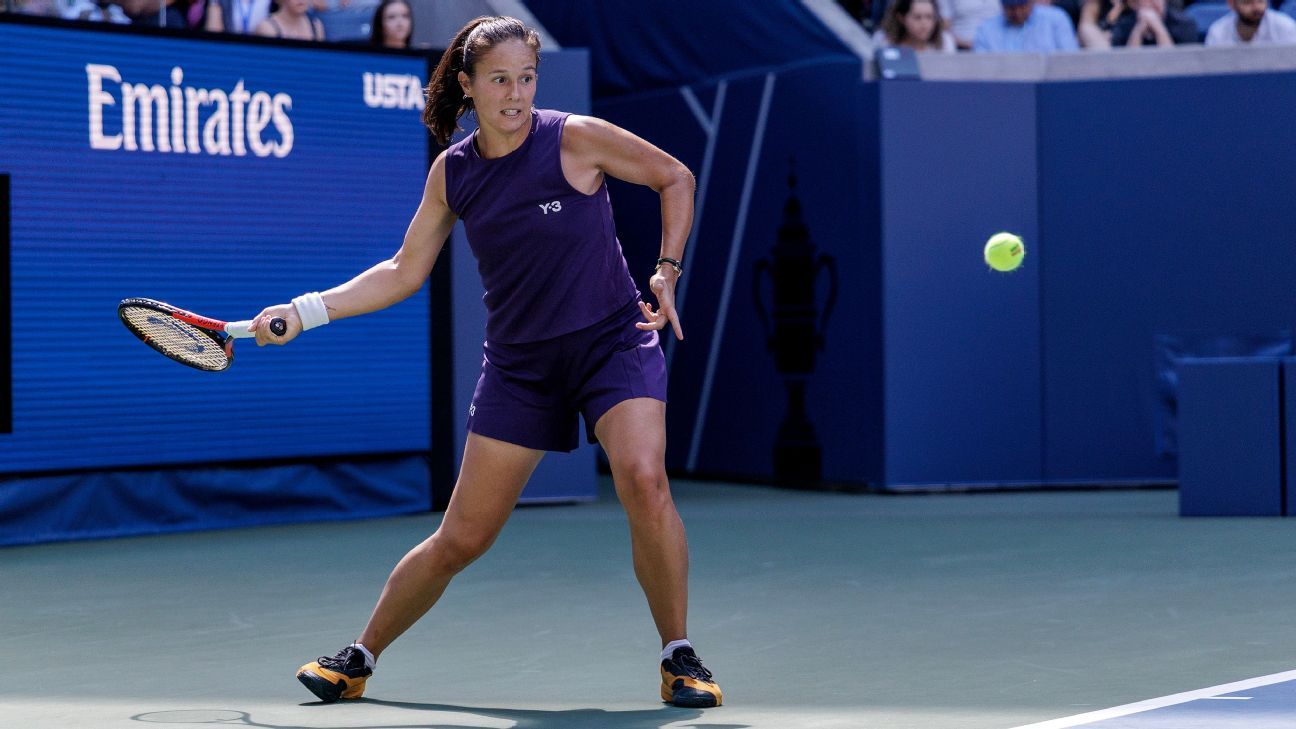
Players like Alex de Minaur and Iga Swiatek have expressed their frustration. Swiatek criticized the intensity of the calendar, while others, such as Frances Tiafoe, Danielle Collins, Jack Draper, and Daria Kasatkina, ended their season early due to injuries and mental fatigue.
The schedule is too much, mentally and emotionally I am at a breaking point and, unfortunately, I am not alone.
Daria Kasatkina
The key question is whether there will be changes in the near future to alleviate the burden on tennis players.Description: “I’ve reached a breaking point and can’t continue. I need a break,” Daria Kasatkina wrote in a social media post in October.
Taylor Fritz had an outstanding season in 2024, reaching the quarterfinals at the Australian Open and Wimbledon, and reaching his first Grand Slam final at the US Open. He won two ATP titles, reached four finals, and won an Olympic bronze medal in doubles. However, this success extended his season, limiting his rest and preparation time.
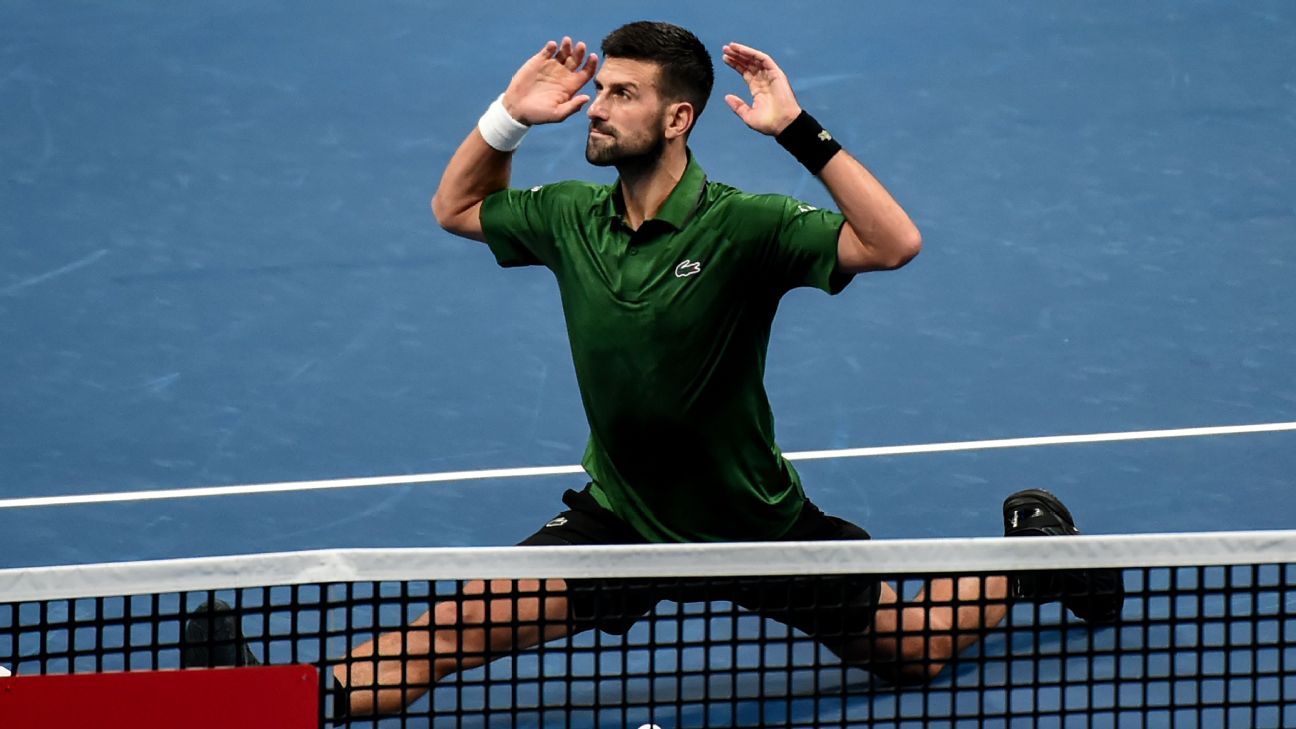
Fritz pointed out that, due to his good performance, he had only three weeks between the end of the 2024 season and the start of the 2025 season. During that time, he must train and prepare, which leaves little room for rest. This period is crucial for implementing technical changes or changes in the training team, but raises the question of whether it is more important than rest and recovery after a demanding season.Description: Novak Djokovic won the Hellenic ATP 250 Championship on Saturday, but played sporadically this year and chose not to participate in the ATP Finals this week citing an ongoing shoulder injury.
Novak Djokovic, by only playing the main events and prioritizing time with his family, is an exception. Tours require players to participate in a specific number of tournaments, which generates additional pressure.
Players like Aryna Sabalenka, Iga Swiatek, and Coco Gauff lost points at the end of the 2024 season for not meeting the minimum participation requirements.
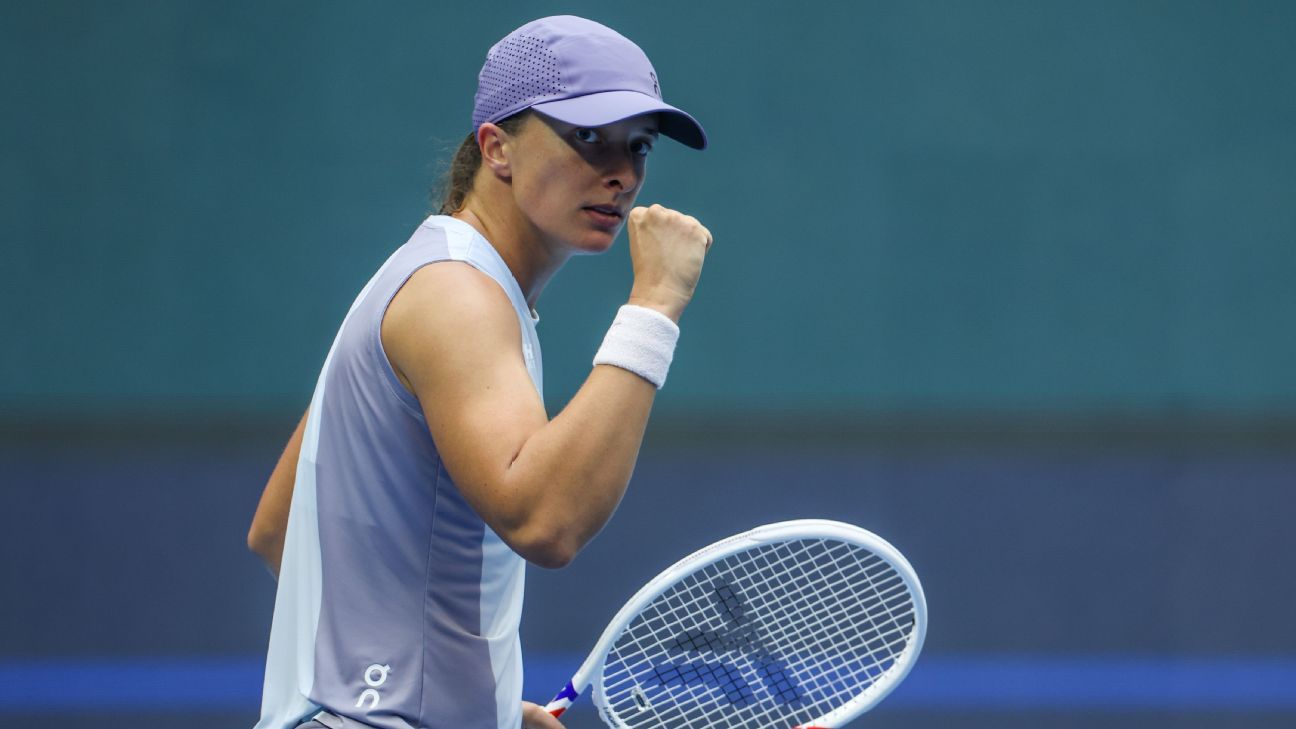
Swiatek, after withdrawing from the China Open, criticized the calendar and suggested that she might have to skip mandatory tournaments in the future.Description: Iga Swiatek played 80 matches, the most matches on the tour this season.
The WTA and others in the sport have repeatedly pointed to extended 1000-level tournaments as part of how they could ensure equal prize money at tournaments with their male counterparts.
Gauff, although agreeing with the economic argument, considers it “impossible” to meet all the requirements. The tennis player played in three 500-level tournaments in 2025, just like Sabalenka, Swiatek, and Anisimova. Keys played in four. However, that didn’t result in fewer matches. Swiatek played in 80 matches, the most matches on the tour this season. Sabalenka appeared in 76, Gauff in 65, Anisimova in 63, and Keys in 53.
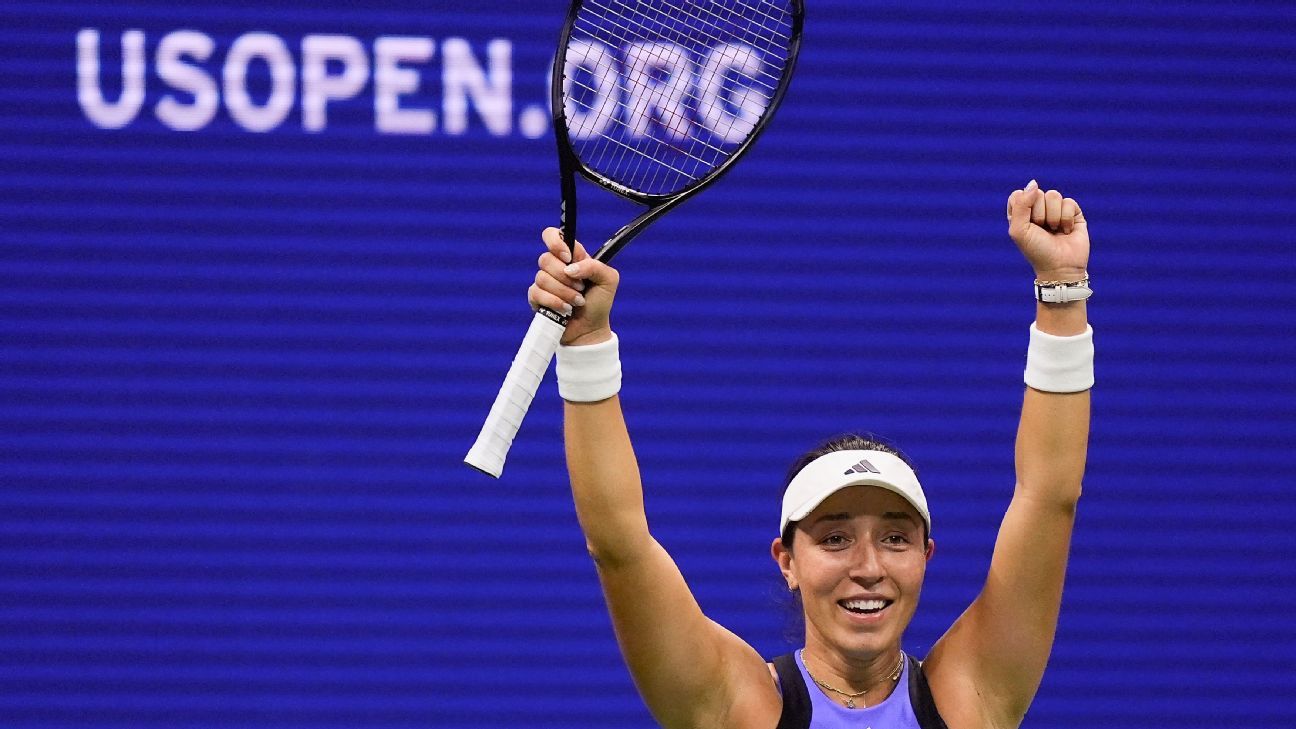
The Shanghai Masters highlighted exhaustion, with Alcaraz withdrawing due to injury, Sinner retiring due to cramps, and Djokovic suffering physical problems.Description: Jessica Pegula has said that she doesn’t like the US Open’s change to a 15-day tournament this year.
The ATP announced the addition of another Masters 1000 tournament in Saudi Arabia starting in 2028, which will increase the total to 10 events in this category. The French Open, the Australian Open, and the US Open have added extra days to their main draws, which has generated criticism. Pegula expressed her discontent with the extension of the US Open.
Brad Stine, coach of Tommy Paul, points out that the debate about the length of the season is not new. Although he believes that the ATP and WTA should eliminate the “mandatory” distinction for tournaments, he also considers that players should be less “paranoid” about losing points and skipping tournaments when they need a break.
Alcaraz, one of those who has most advocated for a shorter season, participated in lucrative exhibitions, which generated criticism. Alcaraz argued that exhibitions are different from official tournaments, and that the mental focus is less demanding.Description: Jannik Sinner (left) and Carlos Alcaraz split the major titles in 2025. Alcaraz has been especially open about the need for a shorter season.
Fritz, when asked about what should be changed, stated that the season simply needs to be shortened, and added that he doesn’t believe significant changes will occur.
Although players seem to agree that something must change, the details present a challenge. The ATP and WTA face the difficulty of restructuring the calendar without affecting existing agreements with host organizations and cities. There have been some changes, such as the move of the Billie Jean King Cup final to September.
In 2024, the four Grand Slams held initial conversations for a “Premier Tour”, with an annual calendar that would include the majors, approximately 10 more events, and a year-end final. The WTA and ATP proposed a version similar to the Slams, which would include the four majors, 10 level 1000 events, 17 level 500 events for the WTA and 16 for the ATP, and a reduction in level 250 tournaments. However, the proposal was rejected, in part due to the board structure for overseeing the new venture.
Andy Roddick suggested rearranging the events in the fall, with 250-level tournaments after the World Tour finals. The WTA and ATP have expressed their commitment to the well-being of the players and their willingness to review the tour structure.
Djokovic, critical of the current calendar, emphasized the need for players to get more involved to achieve significant changes.