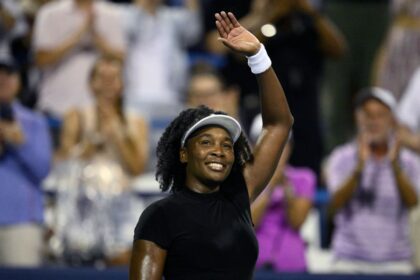
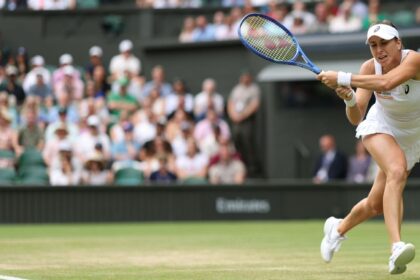
The Intense Tennis Season: Too Long?
The 2024 professional tennis season officially ended on December 22nd, when Joao Fonseca defeated Learner Tien at the ATP Next Gen Finals in Saudi Arabia. The 2025 season began on December 27th with the United Cup in Australia. Fonseca and Tien returned to the court on December 30th for tournaments in Australia and Hong Kong, respectively.The short break between events has intensified criticism of the physical and mental demands of professional tennis. The length of the season and the itinerant nature of the circuit have been a cause for complaint among players, but this has intensified in recent years. Several players, including Frances Tiafoe, Danielle Collins, Jack Draper, and Daria Kasatkina, ended their seasons early this year, citing injuries and mental fatigue.I don’t know how the ’25 season starts in ’24. It’s a joke.
Jordan Thompson
As the 2025 season comes to an end and players are already thinking about 2026, the debate about the duration and intensity of the tennis season will continue. The big question is: Will there be changes in the near future?The truth is that I’ve reached a breaking point and I can’t go on. I need a break. A break from the monotonous daily routine of life on the circuit, the suitcases, the results, the pressure, the same faces (sorry, girls), everything that this life entails.
Daria Kasatkina
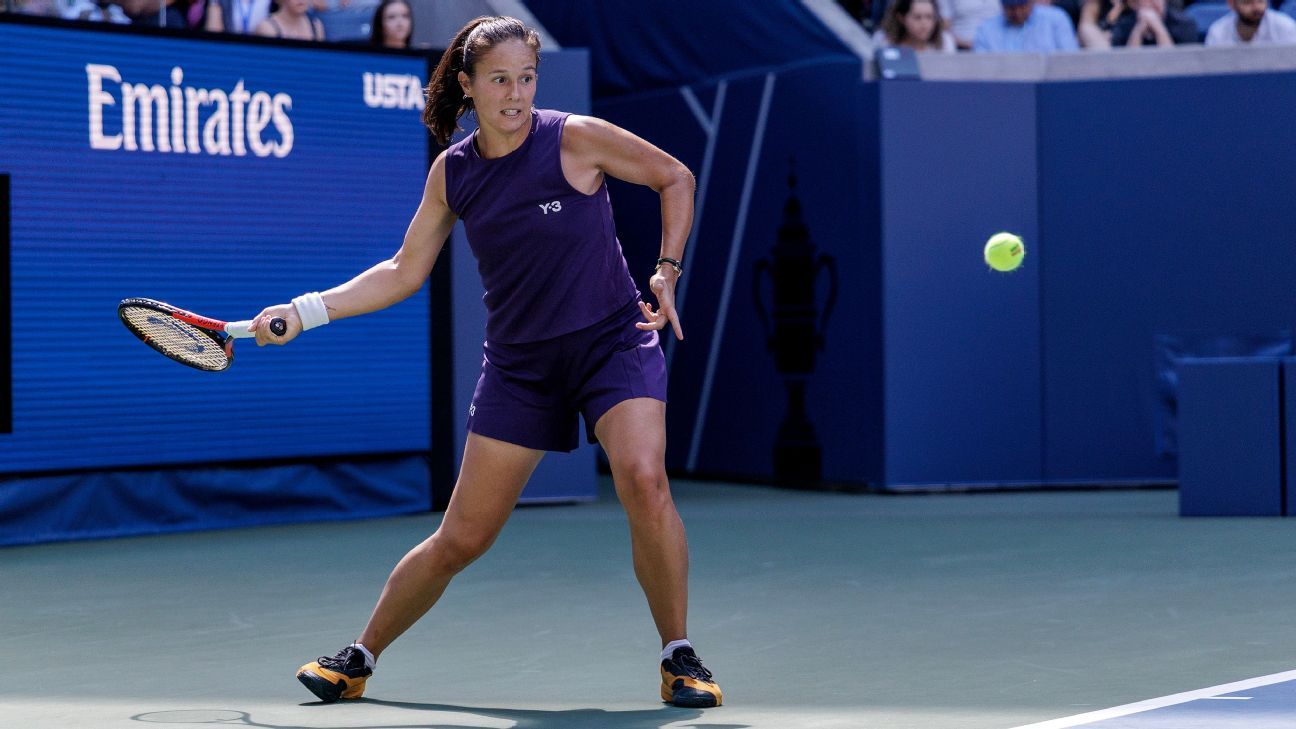
There is no preseason, and if you’re a top player, you actually have less preseason.
Taylor Fritz
For Fritz, this resulted in approximately three weeks between the end of his 2024 season and the start of the 2025 campaign. He returned home at the end of November and had to leave for Australia on December 21st. As he pointed out, he had a lot to do during that period.
Many players take this time to implement technical changes or changes to their technical team, which is crucial. However, the question arises as to whether this is more important than having the opportunity to rest or recover after a physically demanding season.People don’t understand that you have to train during that time. The preseason is your time to train, so if I have three weeks, I take a week [to relax or go on vacation] and that’s it. I have one week off all year. It’s absurd.
Taylor Fritz
For some, the preseason, however brief, is one of the few moments they can spend at home. This is especially true for those from Australia, who spend most of the season living out of suitcases.
When I go back to Australia, I just want to go to the beach, relax, take two weeks off from the rackets. But I still have to do a lot of physical work to stay in shape. Literally, it’s three weeks before going back to tournament mode. You can’t afford any slip-ups with that amount of free time physically.
Jordan Thompson
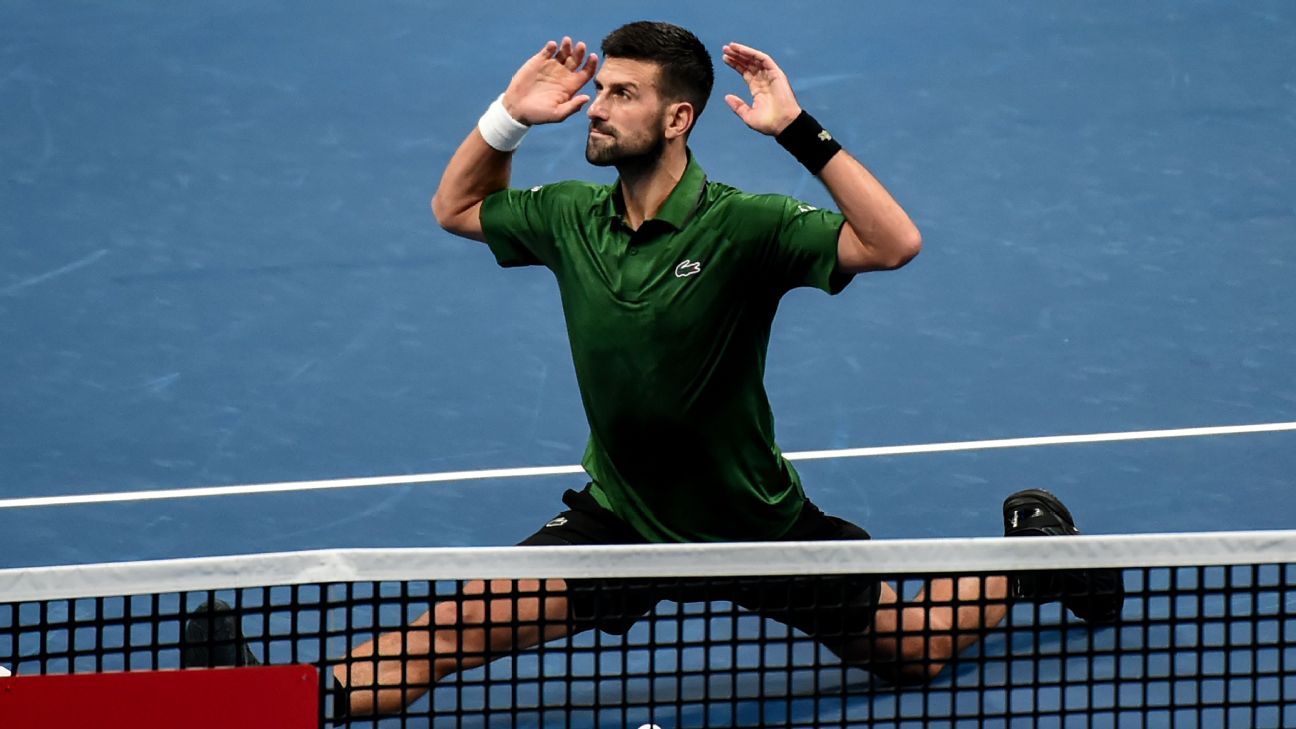
Can a player find time during the season to take a break? Novak Djokovic, 38 years old, former world number 1, only played the main events this summer, skipping all ATP tournaments in June, July and August. His goal was to prioritize winning what would be a 25th Grand Slam title, and spend time with his family. But he is also in an unusual position. He has said that he is not worried about his ranking at this stage of his career, and with more than 190 million dollars earned in on-court prizes, finances are also not a concern.
Circuits require players to participate in a certain number of tournaments each year. ATP players who qualify must play in the four Grand Slams, eight Masters 1000 level events, and five 500 level tournaments, including one after the US Open. Top WTA players must also play in the Grand Slams, as well as 10 1000 level tournaments and six 500 level events. Seven of the 1000 level tournaments now last 12 days, with several recently extended from one week. A player can be exempted from a Grand Slam or 1000-level tournaments due to injury, but if a WTA player does not meet the threshold of six tournaments for 500-level events, ranking points will be deducted. Aryna Sabalenka, current number 1, and Iga Swiatek, number 2, as well as others in the top 10 like Coco Gauff, Amanda Anisimova and Madison Keys, lost points at the end of the 2024 season because they did not play in the required number of tournaments. Swiatek, who was number 1 at the time, fell to number 2. ATP players who do not meet the criteria could face reductions in end-of-season bonus pool earnings. Many top players have spoken about the impact of the duration and requirements of the schedule, especially since they often reach the final stages of the tournaments in which they participate. Swiatek, who had been playing in one of the matches shortened by injury at the China Open in September, was quick to blame the schedule after Camila Osorio, her opponent, retired after the first set of their match. She told reporters that she would probably “have to choose some tournaments and skip them, even if they are mandatory” in the future.Swiatek lost in her next match, then reached the quarterfinals in Wuhan before failing to advance from the group stage at the WTA Finals. The WTA and others in the sport have repeatedly pointed to extended 1000-level tournaments as part of how it could ensure equal prize money at tournaments with their male counterparts.The WTA, with all these mandatory rules, has made it quite difficult for us. I don’t think any top player can achieve this, playing all six 500 tournaments. It’s simply impossible to fit it into the schedule.
Iga Swiatek
Gauff, the world number 3, did not disagree with that argument, but said it was “impossible” to meet all the requirements in a given year.I always hear shouts for more prize money, more prize money, and this is what the circuit has to [do]: to increase the prize money, they have had to extend the duration of these tournaments. So, what do you want?
Anne Keothavong
Gauff played in three 500-level tournaments in 2025, as did Sabalenka, Swiatek, and Anisimova. Keys played in four. However, that didn’t result in fewer matches. Swiatek played in 80 matches this season, the most on the circuit. Sabalenka appeared in 76 (as did WTA Finals champion Elena Rybakina), Gauff in 65, Anisimova in 63, and Keys in 53. The situation of the best players was shown at the Shanghai Masters in October. Many complained about the brutal heat and humidity and others felt the weight of the long season. Carlos Alcaraz, world number 1, withdrew before the tournament began due to a left ankle injury. Jannik Sinner, number 2, retired from his third-round match due to cramps. Djokovic vomited during his round of 32 match and needed treatment for a back injury during his semi-final defeat. The final featured Valentin Vacherot, then ranked 204th in the world and the ninth alternate in qualifying, against his cousin Arthur Rinderknech, then ranked 40th. An incredible story, no doubt, but perhaps not the title match the ATP was hoping for at one of its flagship events.I guess from a business point of view, it might make sense, but from a player health point of view, I really don’t agree with that. Basically, I’ve played all the tennis I can and it’s impossible to keep the six 500s. It’s just impossible.
Coco Gauff
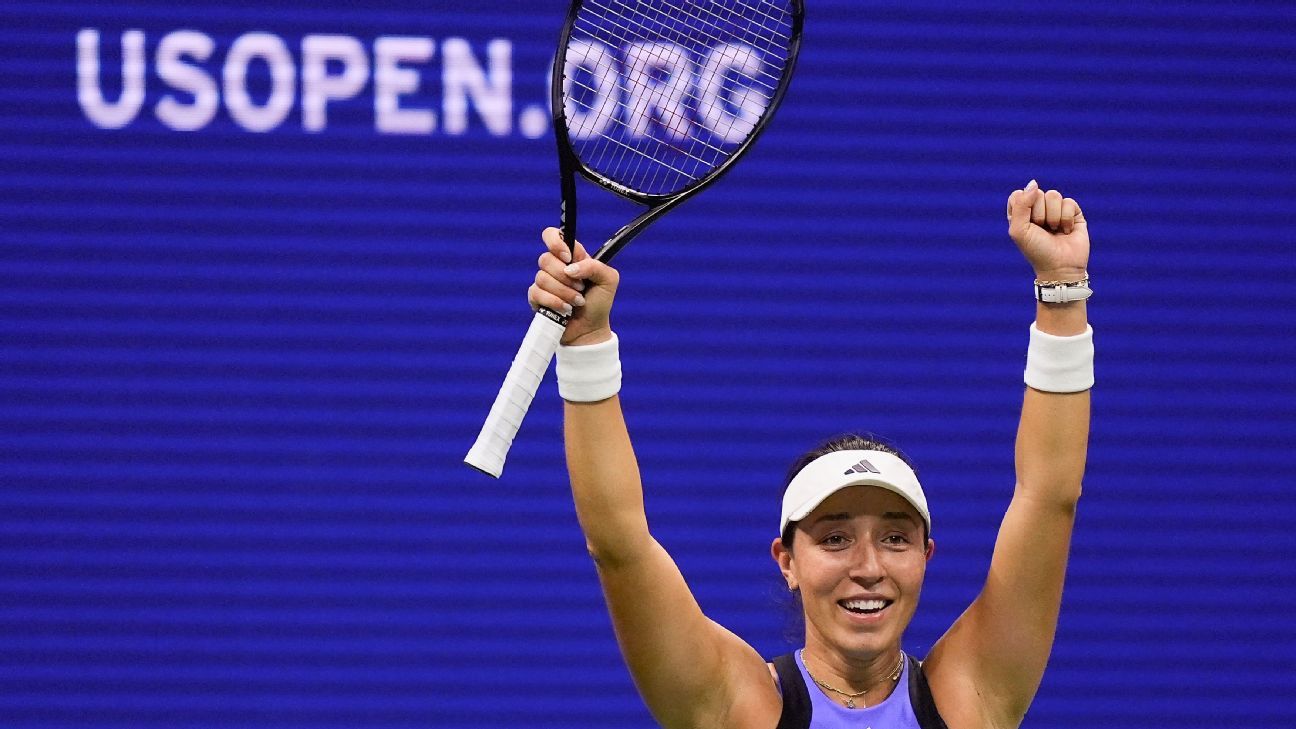
Brad Stine, Tommy Paul’s long-time coach, acknowledges that the debate about the length of the season is nothing new. He has been a coach at the professional level since 1990, when he began working with Jim Courier, and he has heard it all over the years. While Stine believes that the ATP and WTA should do away with the “mandatory” distinction in tournaments and ensure that there is one or two weeks of rest after each Grand Slam, he also believes that players should be less “paranoid” about losing ranking points and skipping tournaments when they feel they need a break.I’m really not a fan of that. I don’t know why they had to make it even longer. Well, I know why they did it: they can sell tickets for an extra day.
Jessica Pegula
Furthermore, he believes that many of the players undermine their concerns by playing in high-paying exhibitions during the offseason, or other breaks in the schedule.Nobody is forced to play. You can take time off whenever you want to take time off.
Brad Stine
Alcaraz, one of the most vocal defenders of the need for a shorter season, played in the lucrative Six Kings Slam in October and is scheduled to play in several other exhibition events in December, including in New York, Newark, and Miami. He was quick to dismiss the correlation.There doesn’t seem to be a shortage of players looking to play in those events. Some of them are the players who are in favor of a shorter season. ‘We need more breaks, we need a shorter season.’ But then, when they are given the opportunity to have time off, they choose to play more events.
Brad Stine
I understand [the criticism], but sometimes people don’t understand us, our opinions. It’s really not mentally demanding [compared to] when we have events as long as two weeks or two and a half weeks.It’s a different format, a different situation playing exhibitions than official tournaments, 15, 16 days in a row, having so much concentration and demanding physically. We’re just having fun for one or two days and playing tennis, and that’s great, and that’s why we choose exhibitions.
Carlos Alcaraz
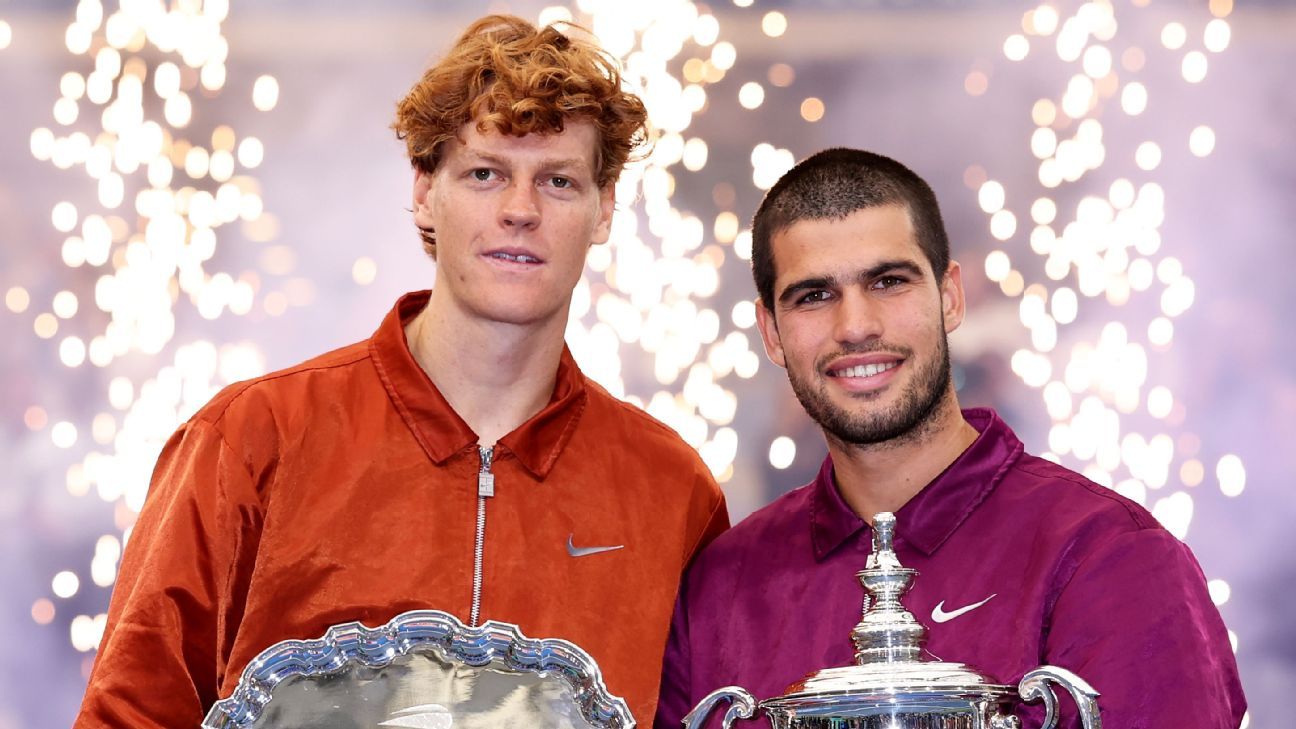
He added that he did not believe that changes were coming.It just needs to be shortened. It’s too much.
Taylor Fritz
And it’s not that simple. While it might sound logical, for example, to end the season after the US Open with the year-end finals shortly after, that leaves 12 WTA and 13 ATP tournaments (in addition to the Billie Jean King Cup, the Davis Cup, and the Laver Cup) currently on the books without a place on the calendar. Host organizations and cities pay a premium license fee to host each event, with prices varying depending on the level of the tournament, and they typically sign multi-year agreements to do so.I don’t think they’re listening to us. I think you have me, Carlos, and Sasha [Zverev], so three of the top four players in the world saying it just needs to be shortened, and there’s really been no conversation about the change.
Taylor Fritz
While the changes have been few, there have been some.
The Billie Jean King Cup final, which was played in November last year and in recent seasons, was moved to September to allow for a longer off-season for WTA players this year. It was also held in Shenzhen, China, for the first time, allowing many players to play smoothly on the Asian tour immediately afterwards. (However, the playoffs to determine the qualifying teams for the 2026 tournament will take place from November 14 to 16 and will feature 21 countries). The Davis Cup maintained its previous schedule and is scheduled to begin on November 18 in Bologna, Italy, and conclude on November 23. There have been discussions about more significant changes. In 2024, the four Grand Slams were involved in initial conversations for a “Premier Tour”, with an annual calendar that would consist of the majors, approximately 10 additional events, and a year-end final. In response, the WTA and ATP proposed a similar version of the idea to the Slams, in an effort to “restructure the sport”, in the spring of this year. That plan would also include the four majors, 10 level 1000 events, 17 level 500 events for the WTA and 16 for the ATP, and a reduction of the level 250 tournaments through the repurchase of licenses. Ultimately, it would decrease the number of tournaments between the two organizations from 118 to approximately 75. But the WTA and ATP failed to convince the Grand Slams of the idea, apparently in part due to the proposed board structure to oversee the new venture. But while drastically transforming the sport might be off the table, for now at least, there are other, smaller ways to address the problem. Former world number 1 Andy Roddick contemplated moving the order of events in the autumn calendar on a recent episode of his podcast “Served”.The WTA and ATP are no strangers to the complaints and concerns of their players. In a statement provided to ESPN, the WTA called the well-being of the athletes a “top priority” and said that the organization is in constant communication with the players, including through the players’ council and representatives on the WTA Board. “Following an exhaustive review, our player and tournament representatives voted in favor of introducing improvements to the circuit season structure in 2024,” the WTA statement continued. “The updated structure offers significant increases in player compensation ($400 million in the coming years), adds more competitive opportunities at all levels of the circuit, and establishes clearer player participation guidelines for top-ranked players to ensure stronger fields at premier events, all while making it easier for fans to follow and connect with the players and the season.” The organization added that it was “committed to keeping [the] circuit structure under review”. When asked about the topic, the ATP directed ESPN to an August interview with President Andrea Gaudenzi. In it, Gaudenzi called the schedule “complex”, but said that an ATP goal was to “extend the off-season”. However, he added that the ATP was one of many organizing bodies in professional tennis with a voice on the schedule and emphasized the individual nature of tennis.Why can’t there be [ATP 250 level tournaments like the Nordic Open and the European Open] after the World Tour finals? Why can’t we have a wrap-around season where these [250s] last a month [before the new year]? [If] more players want more opportunities, great, then do it. And then the top players, if they choose to play Six Kings or some other exhibition, then they can no longer complain that the calendar is too long because it’s not crammed in the middle of the year. [As it is] they have to fill some space. They have to play something before the World Tour Finals. If it ends in the second half of November, something has to give. We have to aim to finish on November 1st.
Andy Roddick
But it’s clear, no matter how separated the players and those in power may seem to be on the calendar, the current situation is precarious at best. Djokovic, who spent several years on the ATP player council and founded the Professional Tennis Players Association (PTPA) in 2020, has long been a fierce critic of the current and evolving calendar and, according to his estimation, has been against it for “more than 15 years”. But even he acknowledged that it was a “very complex” issue when asked about it before the Shanghai Masters event in October. Ultimately, he said that if the players wanted to see a change, they would simply have to do more and learn the various layers of the tennis ecosystem.One player could be in the first round, another is lifting the trophy after the final. Finding a solution that works for both ends of that spectrum is never simple, and you can’t build a calendar around a single cohort of players. All cohorts must be considered.
Andrea Gaudenzi
Because going on the media and talking about this and that, OK, it could awaken some energy or some attention. But at the end of the day, nothing is going to change, you know? I know it from my personal experience, believe me.In the end, as a player and someone who has been playing at the highest level for more than 20 years, I can say that the players are not united enough. Players are not participating enough when they should. So they make comments and complain, and then they leave… But you have to invest the time, you have to invest energy yourself… to understand how the system works, to understand what are the things that can be done to be reversed, to be improved in terms of the players’ interest.
Novak Djokovic