The Exhausting Professional Tennis Season: An Unsustainable Calendar?
The 2024 professional tennis season officially ended on December 22nd, but the action was already back in December with tournaments in Australia and Hong Kong. This situation has sparked a debate about the length and intensity of the calendar, a concern that intensifies every year.
Players like Jordan Thompson, 2024 US Open doubles champion, have called the situation a “joke.” The brevity of the break between seasons, with just a few weeks between major events, highlights the physical and mental demands faced by tennis players.
The tennis season, known for its relentless pace and constant travel, has long been the subject of criticism from players. Alex de Minaur attributed his early exit from the French Open to feeling “burnt out.” Iga Swiatek, for her part, criticized the intensity of the schedule, which prevented her from participating in a Billie Jean King Cup qualifier.
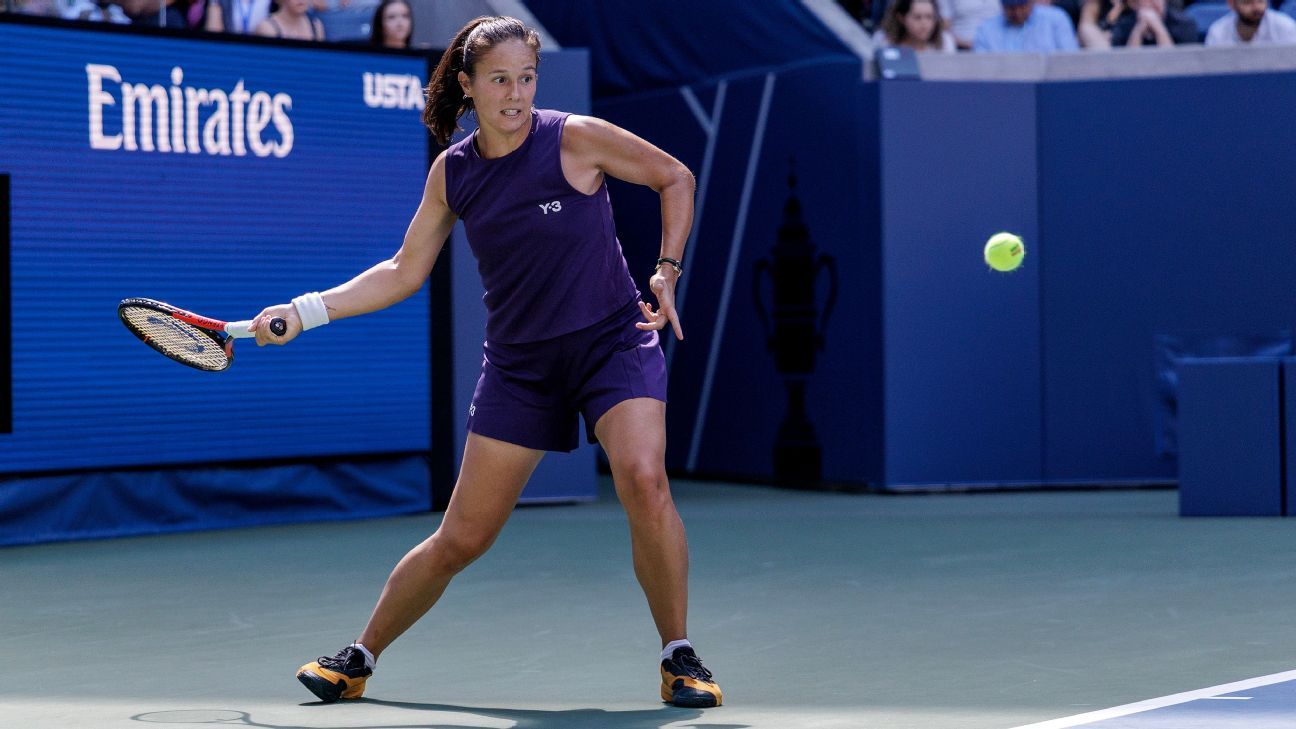
“The schedule is too much, mentally and emotionally I’m at a breaking point and, unfortunately, I’m not alone.”
Daria Kasatkina
Several players, including Frances Tiafoe, Danielle Collins, Jack Draper, and Daria Kasatkina, ended their seasons early due to injuries and mental fatigue.
The big question is: Will there be changes in the near future? The conversation about the duration and intensity of the tennis season will continue, and the players’ voices are getting louder.Taylor Fritz had an outstanding season in 2024, reaching the semifinals at the Australian Open and Wimbledon, and reaching his first Grand Slam final at the US Open. However, Fritz’s success, paradoxically, extended his season due to his participation in the ATP Finals and the Davis Cup, leaving him with a very short rest period.
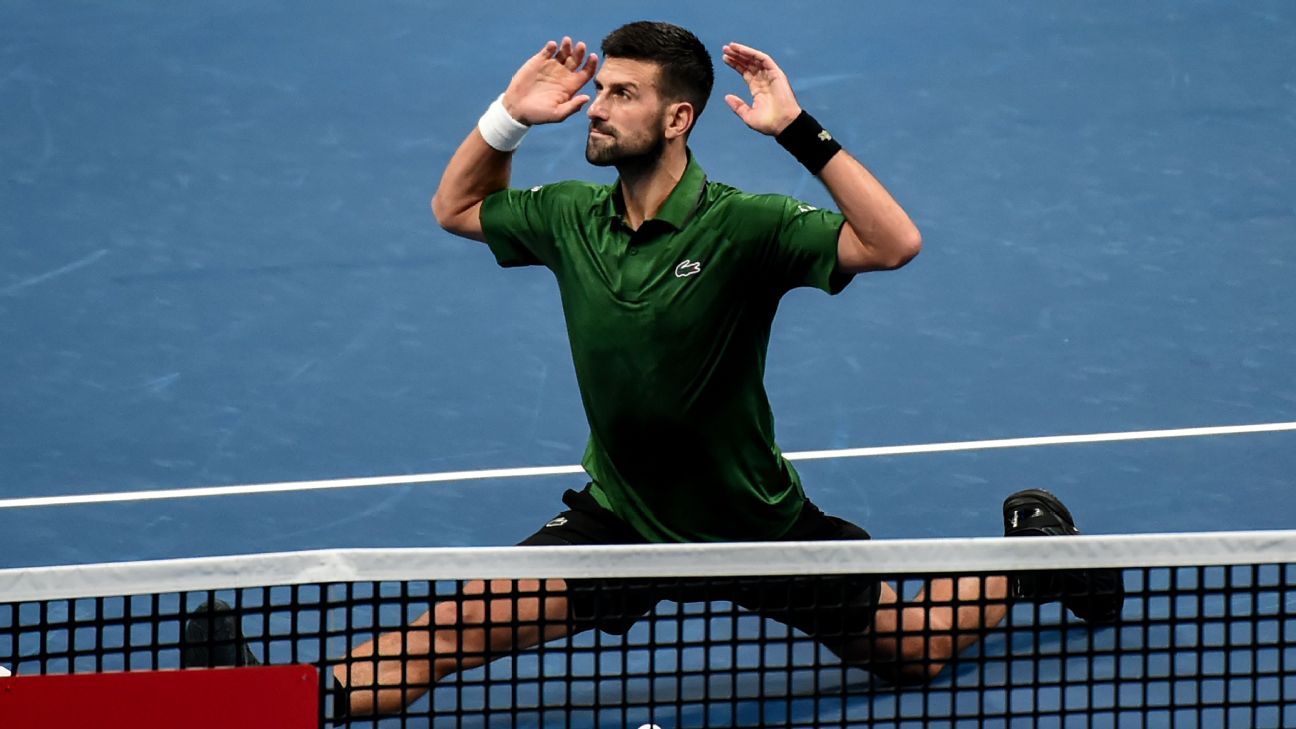
Fritz, like many other players, faced a minimal rest period, which forced him to train intensely during that time. This situation raises the question of whether rest and recovery time is more important than the opportunity to make technical or personnel changes in the team.Novak Djokovic, for example, chose to play only the most important events, prioritizing time with his family. However, this flexibility is not accessible to all players.
Tournaments require players to participate in a specific number of events each year, and failure to meet these requirements can result in the loss of ranking points. This, added to the physical and mental demands of the circuit, has generated a debate about the need to adjust the calendar.
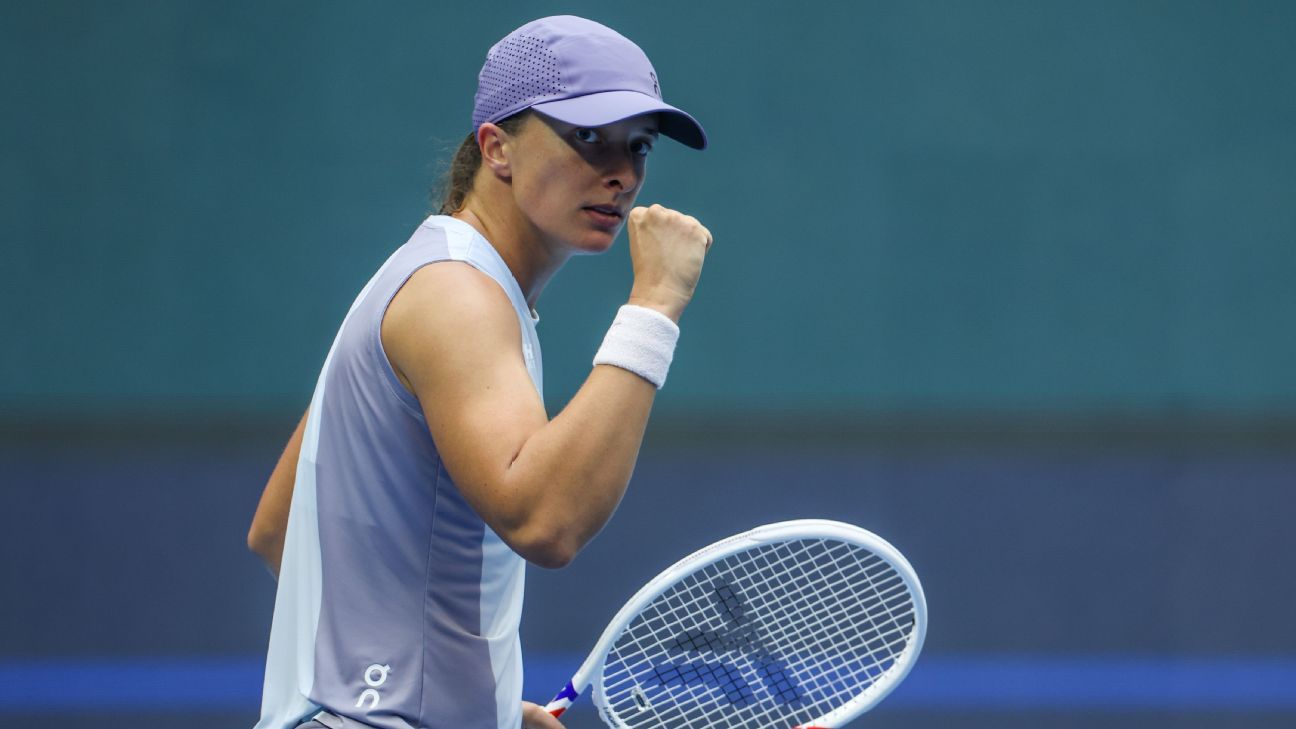
Iga Swiatek, after an injury at the China Open, expressed her intention to “choose some tournaments and skip them, even if they are mandatory” in the future, due to the difficulty of meeting all the requirements of the calendar.The WTA and other tennis bodies have justified the extension of the 1000-level tournaments as a measure to ensure equal prize money with men. However, players like Coco Gauff have pointed out the difficulty of meeting all the requirements of the calendar.
The situation of the best players was evident at the Shanghai Masters in October, where many complained about the heat and humidity, and others felt the weight of the long season. Carlos Alcaraz retired due to injury and Jannik Sinner withdrew due to cramps. Djokovic needed treatment for a back injury.
The ATP announced the incorporation of a new Masters 1000 tournament in Saudi Arabia starting in 2028, which will raise the total number of events in this category to ten. The French Open, the Australian Open and the US Open have added an additional day of play, which has generated criticism from some players.
Brad Stine, coach of Tommy Paul, believes that the ATP and WTA should eliminate the “mandatory” distinction in tournaments and guarantee a week or two of rest after each Grand Slam. He also believes that players should be less “paranoid” about losing ranking points and skip tournaments when they feel the need to rest.
Carlos Alcaraz, one of those who has most advocated for the need for a shorter season, participated in the lucrative Six Kings Slam in October and is scheduled to participate in other exhibition events in December. However, Alcaraz distinguishes between official tournaments and exhibitions, arguing that the latter are not as mentally demanding.The need to shorten the season is evident for most players, but the solutions are complex. Fritz believes that the players’ requests are not being heard. And it is that, the modification of the calendar implies the relocation of tournaments and negotiation with the organizations that host them.
While the changes have been limited, some modifications have occurred. The Billie Jean King Cup final, which was held in November last year, was moved to September to allow for a longer pre-season for WTA players. The Davis Cup maintained its previous date and is scheduled to begin on November 18 in Bologna, Italy, and conclude on November 23.
In 2024, the four Grand Slams initiated initial conversations for a “Premier Tour”, with an annual calendar that would include the majors, approximately 10 additional events, and a year-end final. The WTA and ATP proposed a version similar to the Slams, which would include the four majors, 10 level 1000 events, 17 level 500 events for the WTA and 16 for the ATP, and a reduction in level 250 tournaments.
Andy Roddick suggested on his podcast “Served” the possibility of modifying the order of events in the second half of the season.
The WTA and ATP are aware of the players’ complaints. The WTA has stated that the well-being of the athletes is a “top priority” and that the organization is in constant communication with the players. The ATP, for its part, has acknowledged the complexity of the calendar and has highlighted its goal of “extending the pre-season”.
Djokovic, a staunch critic of the current calendar, has stated that the players are not united enough to achieve significant changes. Ultimately, for Djokovic, the players must get more involved and understand how the system works to influence decisions.