The 2024 professional tennis season officially ended on December 22nd, with Joao Fonseca’s victory over Learner Tien at the ATP Next Gen Finals in Saudi Arabia. However, the 2025 season began on December 27th with the United Cup in Australia, demonstrating the tight schedule that tennis players face.
The 2024 US Open doubles champion, Jordan Thompson, described the situation as a “joke”, highlighting the lack of rest and preparation time for the players. Between the Billie Jean King Cup, the Davis Cup, and the United Cup, the rest time was minimal, and the WTA and ATP Finals were held in mid-November.
The schedule is too much, mentally and emotionally I am at a breaking point and, unfortunately, I am not alone.
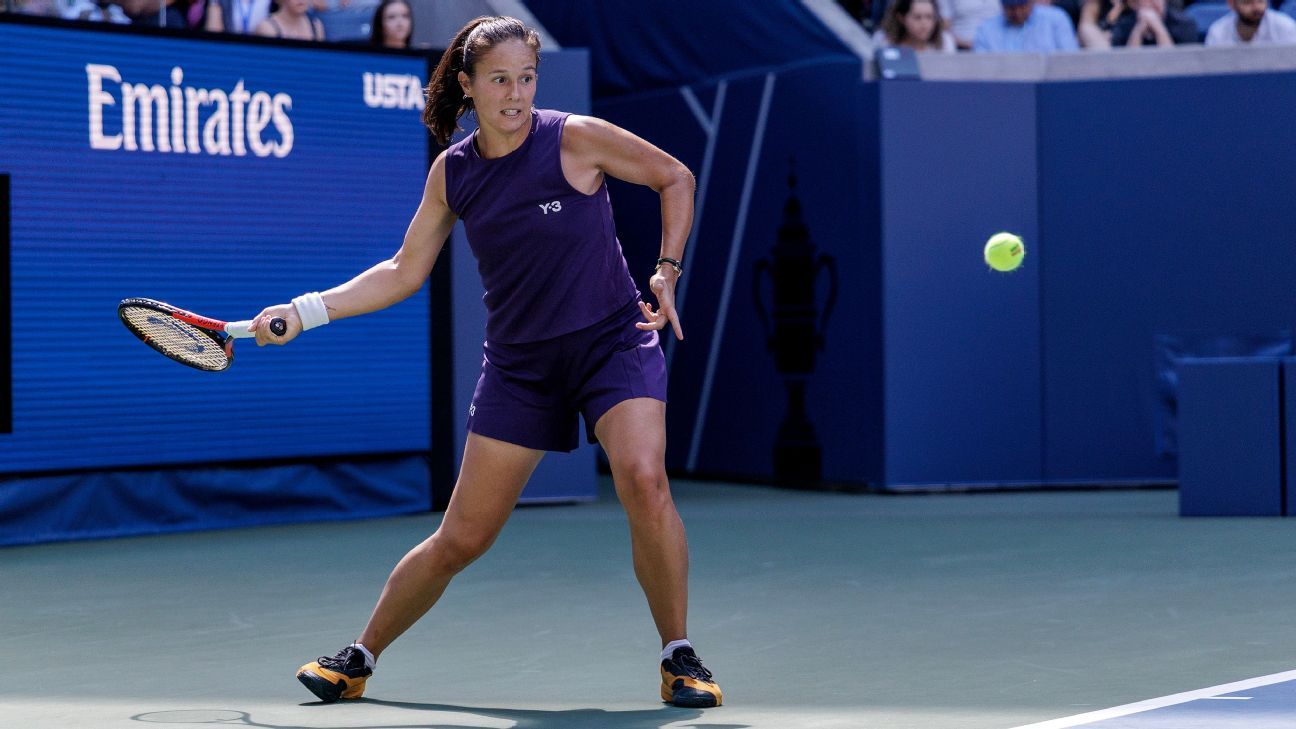
Daria Kasatkina
The duration and itinerant nature of the tennis circuit have been a source of complaint among players for a long time, but the situation has intensified in recent years. Players like Alex de Minaur, who blamed “exhaustion” for his early exit from the French Open, and Iga Swiatek, who criticized the demands of the “super intense” calendar.
Several tennis players, including Frances Tiafoe, Danielle Collins, Jack Draper, and Daria Kasatkina, ended their seasons early this year, citing injuries and mental fatigue. Kasatkina, in a social media post, expressed her need for a break from the “monotonous daily routine” of the circuit.
Taylor Fritz, who had an outstanding season in 2024, reaching his first Grand Slam final at the US Open and winning two ATP titles, also faced a lack of rest time. Fritz pointed out that, due to his success, his season was extended, leaving him only three weeks between the end of the 2024 season and the beginning of the 2025 season.
The American tennis player explained that this time is crucial for training and preparation, and that he can only take one week of rest. This situation raises the question of whether rest and recovery are more important than the implementation of technical changes or changes in the training team.Novak Djokovic, in a different situation, chose to play only the most important events, prioritizing time with his family. However, most players must meet tournament participation requirements, which makes calendar management difficult.
Iga Swiatek, Coco Gauff, Amanda Anisimova, and Madison Keys lost points due to not participating in the required number of tournaments, highlighting the pressure to meet the demands of the circuit.
The WTA and ATP have indicated the extension of the 1000-level tournaments as part of their strategy to ensure equal prize money. However, players like Gauff have expressed that it is “impossible” to meet all the requirements.
In the Shanghai Masters, fatigue became evident with withdrawals and physical problems among the top players, including Carlos Alcaraz and Jannik Sinner.The ATP announced the addition of a new Masters 1000 tournament in Saudi Arabia starting in 2028, which will increase the workload. In addition, the French Open, the Australian Open, and the US Open have added playing days to their tournaments.
Brad Stine, Tommy Paul’s coach, suggests that players should be less “paranoid” about losing points and take breaks when needed. However, he also points out that many players participate in lucrative exhibition events during the off-season, which contradicts their complaints about the schedule.
Carlos Alcaraz, one of those who has most expressed the need for a shorter season, justifies his participation in exhibitions as a way to “have fun” and not feel the same pressure as in official tournaments.Fritz has stated that he does not believe there will be significant changes to the calendar despite complaints from the top players. However, the WTA and ATP assure that the health of the athletes is a priority and that they are in constant communication with the players.
The WTA has introduced improvements to the season structure, including an increase in compensation for players and more competitive opportunities. The ATP, for its part, seeks to “extend the off-season”, but recognizes the complexity of the calendar and the need to consider all players.
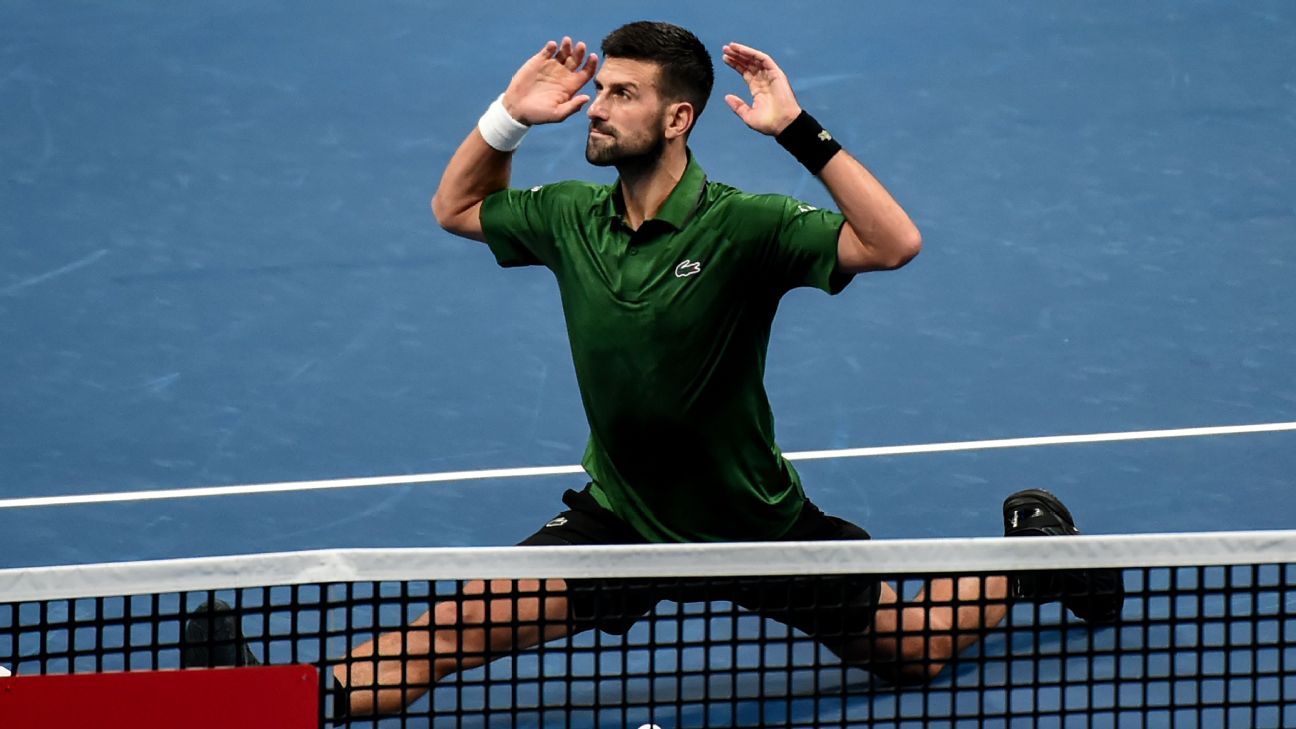
Djokovic, critical of the current calendar, emphasizes the need for players to get more involved in the system to achieve significant changes.