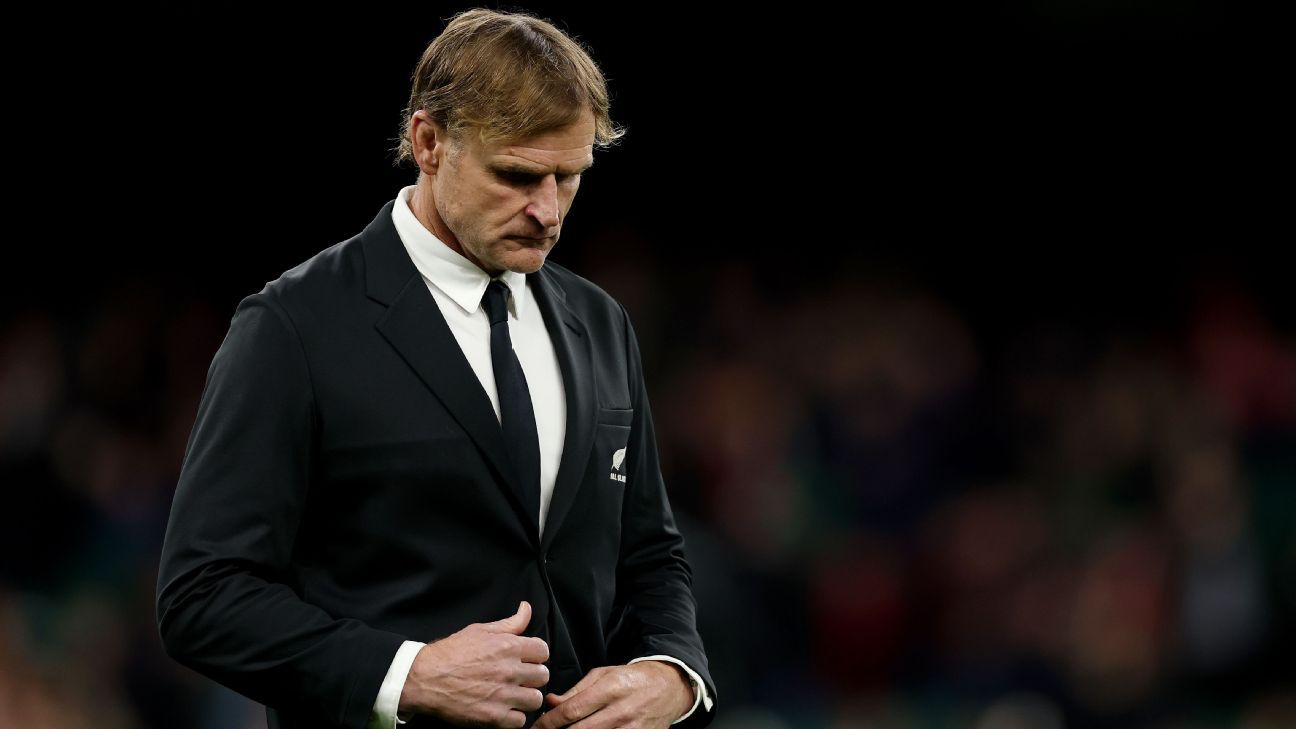
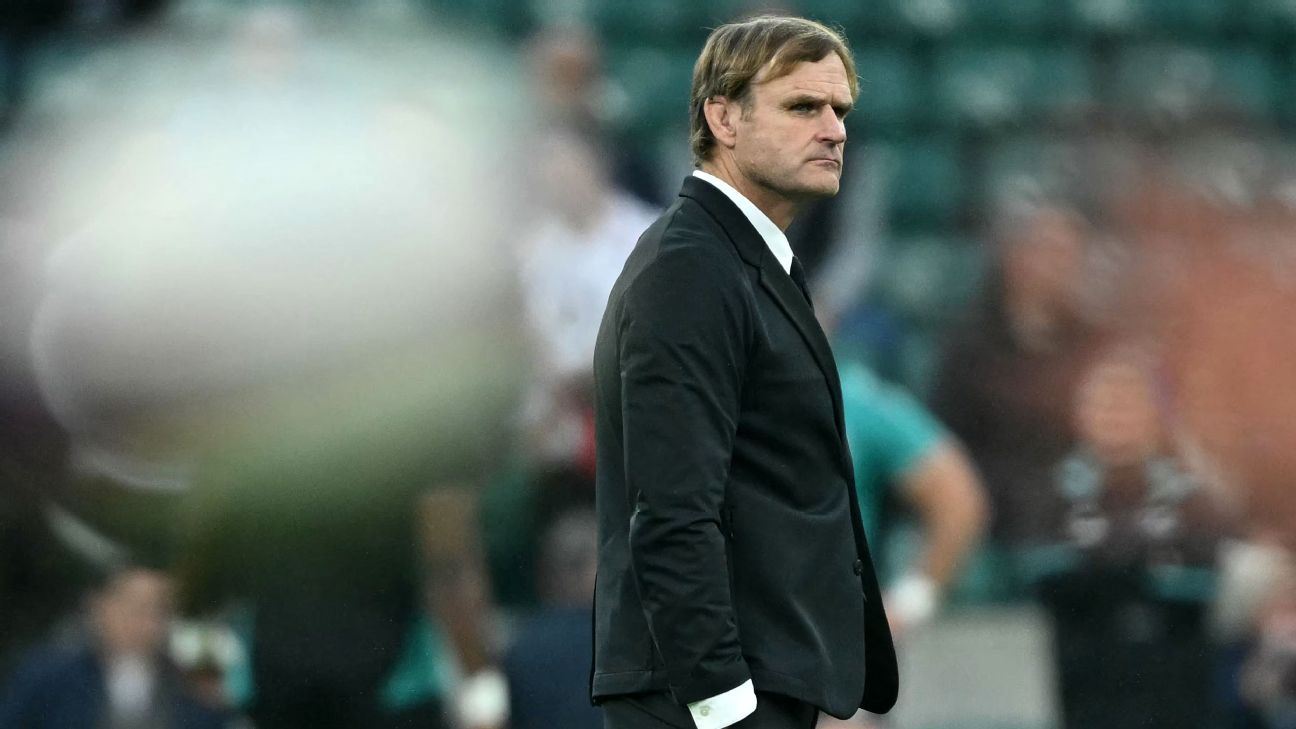
Three years ago, just 12 months before the Rugby World Cup, Scott Robertson was on the verge of being named All Blacks coach. Ian Foster, in a delicate situation, survived thanks to the unconditional support of his key players.
Now, less than two years away from the next major global event, the players’ power has led to Robertson’s dismissal, despite having a four-year contract, after only two years.
The irony is undeniable. Although the events of Thursday morning left the global rugby community stunned, the situation in the All Blacks camp had not been entirely favorable for some time.
New Zealand Rugby’s end-of-year analysis of the All Blacks’ 2025 season, which culminated in a 10-3 record, revealed critical comments about the team’s culture under Robertson’s leadership, making it clear that his time as coach was numbered.Already past the point of no return, a report suggesting that Ardie Savea, World Rugby Player of the Year in 2024, was exploring options that didn’t involve his return to New Zealand, confirmed how bad things had gotten.
The expectation was always that Robertson would replicate his success with the Crusaders in the All Blacks. However, in two years, this never seemed likely, and NZR considered it too risky to expect it to happen in the next 18 months.
At first glance, a 10-3 win record is something that almost all other major rugby nations, except South Africa, would desire; certainly, it’s something the Wallabies can only dream of.
But in a nation where perfection in rugby is expected, almost demanded, Robertson’s progress, or lack thereof, left his position vulnerable.
And that’s before considering the nature of their three defeats in 2025: away to Argentina, their worst home defeat against South Africa, and then on the road against England at Twickenham; all of which did not indicate that the Robertson-coached All Blacks were a team to be feared in Australia in two years’ time.They were also unconvincing in two of their three victories over France, and if it weren’t for the rudimentary indiscipline of the Wallabies, amplified by several dubious refereeing decisions, New Zealand’s unbeaten run at Eden Park might have gone down in history.
These were not the performances that New Zealand expects from the All Blacks.
From an inconsistent attack, a severe problem in the aerial game and the inability to finish matches, Robertson simply couldn’t find the crucial solutions he needed to convince not only the NZR board, but also the passionate fans of the country, that he was capable of righting the course of the All Blacks by October 1st of next year.
And it is clear that the most important for that cause, its players, had also made a decision.
And when Foster was able to introduce Joe Schmidt and Jason Ryan to the attendees, which helped reverse the situation of the All Blacks to the point where they were only one point behind the Springboks in the 2013 Rugby World Cup final, Robertson’s training adjustments, which included the departures of Leon MacDonald and Jason Holland, did not.
An unsustainable working relationship with MacDonald in 2024 now casts an even darker shadow over the deterioration of the All Blacks under Robertson’s command.
For a while, it seemed that Robertson was relying on a “lucky shot” in rugby, the return of his “quarterback” Richie Mo’unga from Japan, to help correct the course of New Zealand. Instead, Mo’unga will now rejoin the All Blacks under the direction of a new coach.
That could be Jamie Joseph, the current coach of the Highlanders, who oversaw Japan’s victories over Scotland and Ireland in the 2019 World Cup. Joseph has a deep understanding of New Zealand rugby and is incredibly respected both at home and abroad.
The outgoing Wallabies coach, Joe Schmidt, shouldn’t be ruled out either, even if he told reporters in Sydney that he “wasn’t looking to get involved with either team” at the group stage draw for the World Cup in December.
But, with the cruelty that Foster was saved from in 2023, NZR fired Robertson and, suddenly, no potential coaching appointment can be ruled out.
Ultimately, Razor’s All Blacks were convincing. But the tongues of his players? Sharp.