
Zdeno Chara: Hockey Legend
Zdeno Chara, a name synonymous with greatness in the world of ice hockey, is remembered for his imposing presence on the ice. With a 24-year career, the Slovak defenseman, with his 6 feet 9 inches in height and 250 pounds, was the tallest player in NHL history.His powerful shot, clocked at 108.8 miles per hour at the 2012 NHL All-Star Game, and his longevity are notable. Chara retired at 45 years old, having played 1,680 regular season games, the most for a defenseman in the NHL.
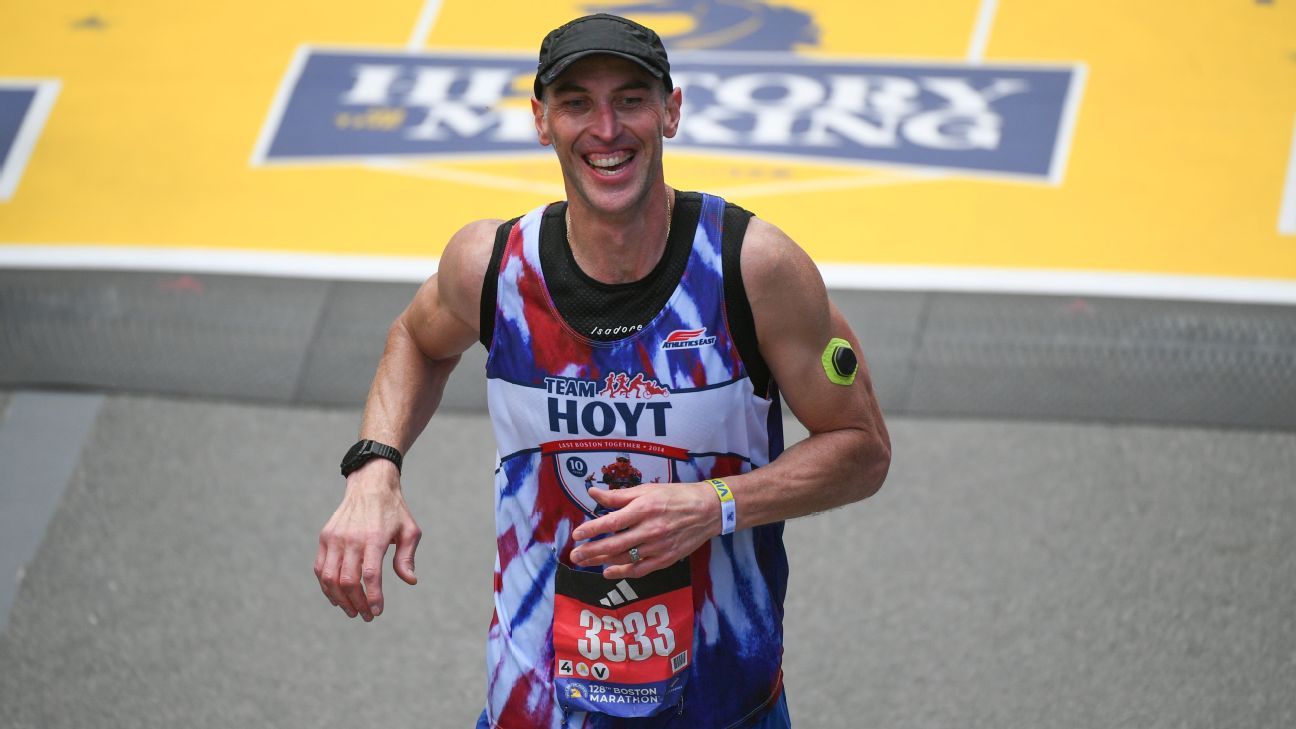
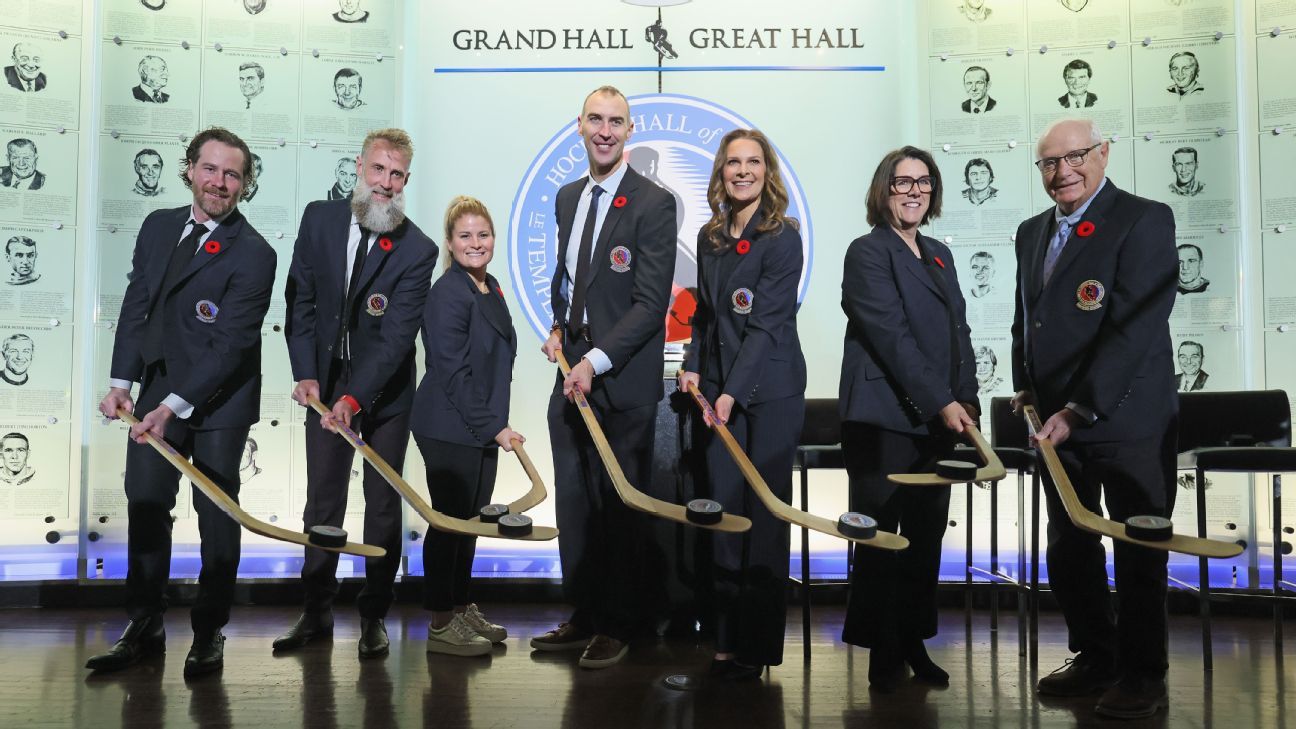
During his 14 seasons with the Boston Bruins, all as captain, Chara became the second European captain to win the Stanley Cup, marking a new era of excellence in Boston. This polyglot, who masters seven languages, set a standard with his relentless work ethic and his mindset of doing whatever it took for the team, while also instilling values of respect. Recently, Chara was inducted into the Hockey Hall of Fame, a culminating achievement of an impressive journey.Three years after his retirement, Chara continues to pursue excellence. He completed his first Ironman triathlon in August in under five hours, surpassing his nine marathons completed in a span of 15 months. After taking business courses at Harvard University, Chara delves into the world of entrepreneurship and will soon launch his first application called Castable. In addition, he has maintained a close relationship with the sport, taking on an advisory role with the Bruins since last season.“Growing up in a small town in Slovakia, Trencin, doesn’t make you dream of nights like this. You dream of a piece of ice that doesn’t melt before practice is over. You dream of finding a stick that isn’t broken or skates that still serve you for a couple of years,” Chara said in his induction speech.
Zdeno Chara
Why does he want to be remembered, Zdeno Chara?
“Well, I always say that statistics, records, games played, the strongest shot, all that: I am very grateful and humble about it. But the most important thing is the impact you have on others. I was very proud to build something and create something in the organization, and leave something behind. I am very proud that we were able to build that culture between 2008 and 2014-15, where we were very, very strong. We were contenders and that culture, that legacy, was one of the best, if not the best, in the league.” He was known for establishing a great culture as a captain, and that was passed on to Patrice Bergeron and then to Brad Marchand. The Bruins currently do not have a captain; do you see the legacy of his teammates still alive within the team? “I mean, that’s the ultimate goal, to pass on that leadership and legacy to the younger generations. And I think, looking back, I think we created something very special in those years when we ultimately won the Stanley Cup, and then carried it on for a long period of time. Everything has its own trajectory, and when I left and then Patrice left, Brad Marchand left, yes, there’s a little void. But it takes time, it takes learning. And so, one of my roles is to come in and try to help these players become better leaders and better mentors for their younger teammates. So it just takes patience and time.” What does he tell those young players about leadership? “Well, it starts with themselves, first and foremost. You can’t expect to lead or follow if you don’t commit to certain things. And it starts with self-discipline and commitment. You have to be willing to put in the work and time. You have to find the purpose behind everything you do and everything has to be within the team’s goals, and you have to be willing to accept those responsibilities and accountability.”Seeing the current Bruins season, what has surprised you the most?
“I wouldn’t say that anything has really surprised me. I mean, we got off to a good start and there was a little setback, if you want to call it that, but we bounced back and now we’re playing some really strong, good hockey, so we just have to keep going and keep getting better. Every game is a tough game. There are no easy games in the National Hockey League. Consistency is the most important thing.” There have been very few European-born coaches in NHL history. Marco Sturm of Germany is now one of them. What’s different about what he brings to the Bruins? “Well, I think he brings positive energy, and he brings the right mentality with his structure and system. He is a great human being. He cares about his players. He wants to win. He pays close attention to detail. He is a hard-working coach. He is the first in the office and the last to leave. So he is very, very disciplined and driven. You have a coach who is very motivated and inspired to bring back the winning culture and the championship.” He was always very close to Patrice Bergeron. How is their relationship today? “We are the best friends. That’s something that moved from our careers to our personal lives. I can always count on Patrice to get in touch weekly. He’s an incredible human being and I couldn’t ask for a better friend. He’s very caring, a great family man. Whenever we have time to get together, we have lunch or dinner. Then we enjoy our meetings after a few days, and we always talk about our lives and it’s great. I love him.” Now, it’s launching an application called Castable. How would you describe it? “This idea was created about three years ago. I met my co-founder, Peter Gladstone, at the Harvard Innovation Labs (i-Labs), and I was looking for some kind of practical experience to learn more about entrepreneurship, the business side of things. And he said, ‘Hey, look, I have an idea I’m looking at. I want to create a platform that focuses on people connecting with celebrities or talented people. And they wouldn’t have to chase them, literally, it would be easy to meet through a sporting event or live event.'” “So it’s an audio-first platform for streaming and commentary, but much more accessible, where celebrities or talented people will provide real-time commentary during events or sporting events and bring fans closer to those moments that matter most to them.” “We found that most people, maybe more than 80% of people, watch sporting events alone. So we want to create something where these people are not alone, but connected not only with their friends and the other group of listeners, but also with their favorite people. So imagine: the ManningCast, in real time, and it will be accessible to many, many people.” How do you foresee it applying to hockey? “Imagine there’s a hockey game going on, and I could be one of the commentators. I don’t need to do the play-by-play commentary, but rather focus on telling stories or anything that comes up. I could be giving the fans insider information or information from my growing up. The fans have the privilege of texting me through this application and asking me questions. I can be scrolling while I’m talking and looking at some comments and choosing which ones I want to answer, which ones I want to let pass. It will be entertaining for the fans, and I think this is a great opportunity to also show your personality, show your authenticity, and have fun. But it doesn’t have to be that I have to do a hockey game. I can do any type of event, like television, movies, or concerts, or any type of sport. I can watch basketball, golf, tennis, and I can bring guests, I can bring people who are my friends and we can broadcast.” What have you learned in the business world? “I think the most important thing is to listen. I think you have to always be open-eyed and open-eared and try to learn how things are developing, it takes a lot of patience. There are a lot of smart people. The most important thing is the willingness to learn, the willingness to surround yourself with people smarter than you and create a diversified team. I think it helps when you take some courses. I took a lot of courses at Harvard Business School, some courses from MIT.” “And then I think you also have to understand that most startups fail; obviously, things that can come up. In general, you just have to be willing to put in the effort and keep working at it and never give up and just go after your dream.” His sporting achievements after his retirement include several marathons and Ironmans. Does he have any other athletic goals?