The Origin of the Mamba: From the Idea for Jordan to Bryant’s Legacy
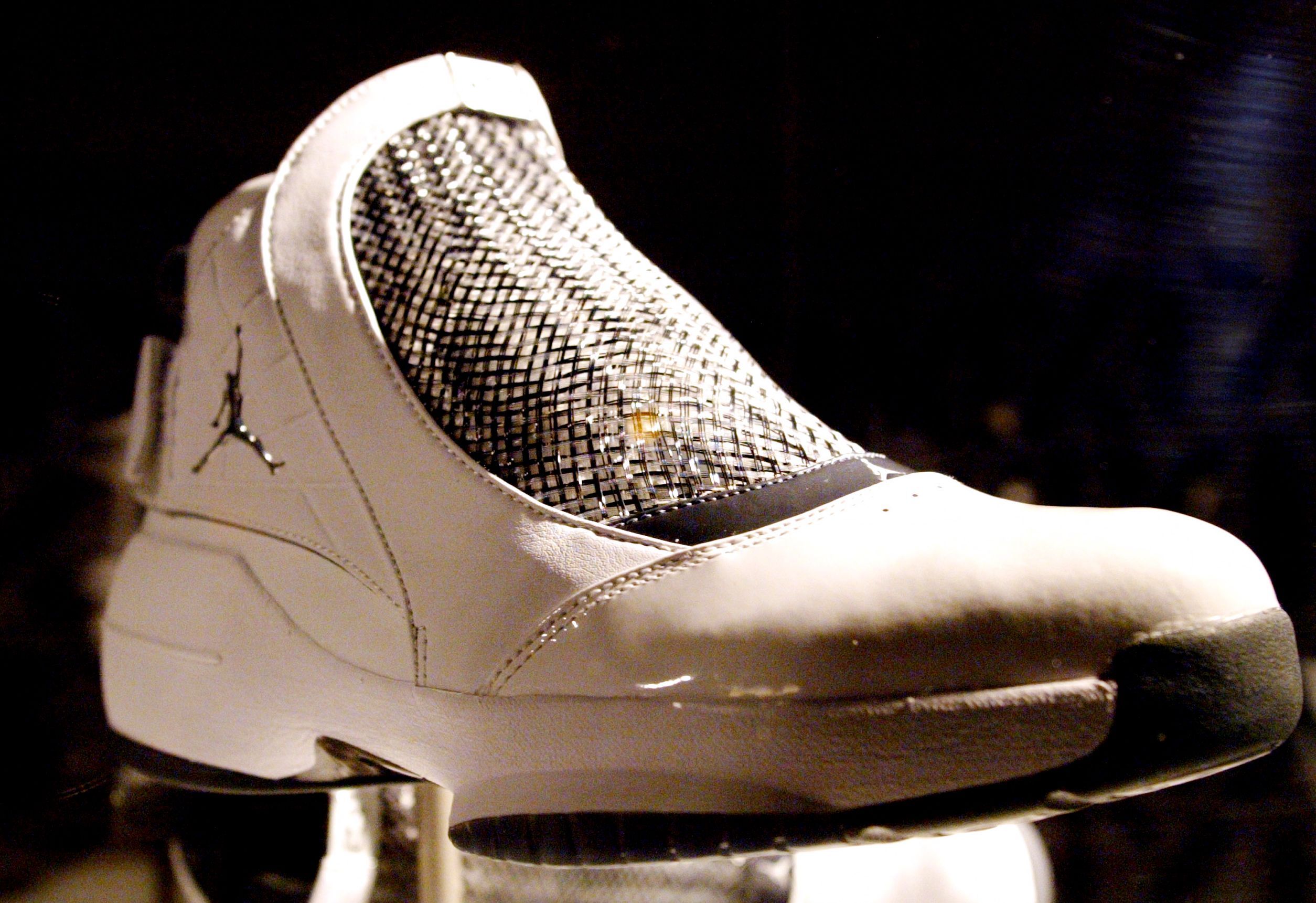
At the end of 2002, at Nike’s headquarters in Oregon, a group of designers examined a futuristic material. It was Tech Flex, a tubular and black substance used in the automotive and aeronautical industries. Its ability to expand and contract caught the attention of the creatives, who envisioned a new era in basketball shoes, one without laces.
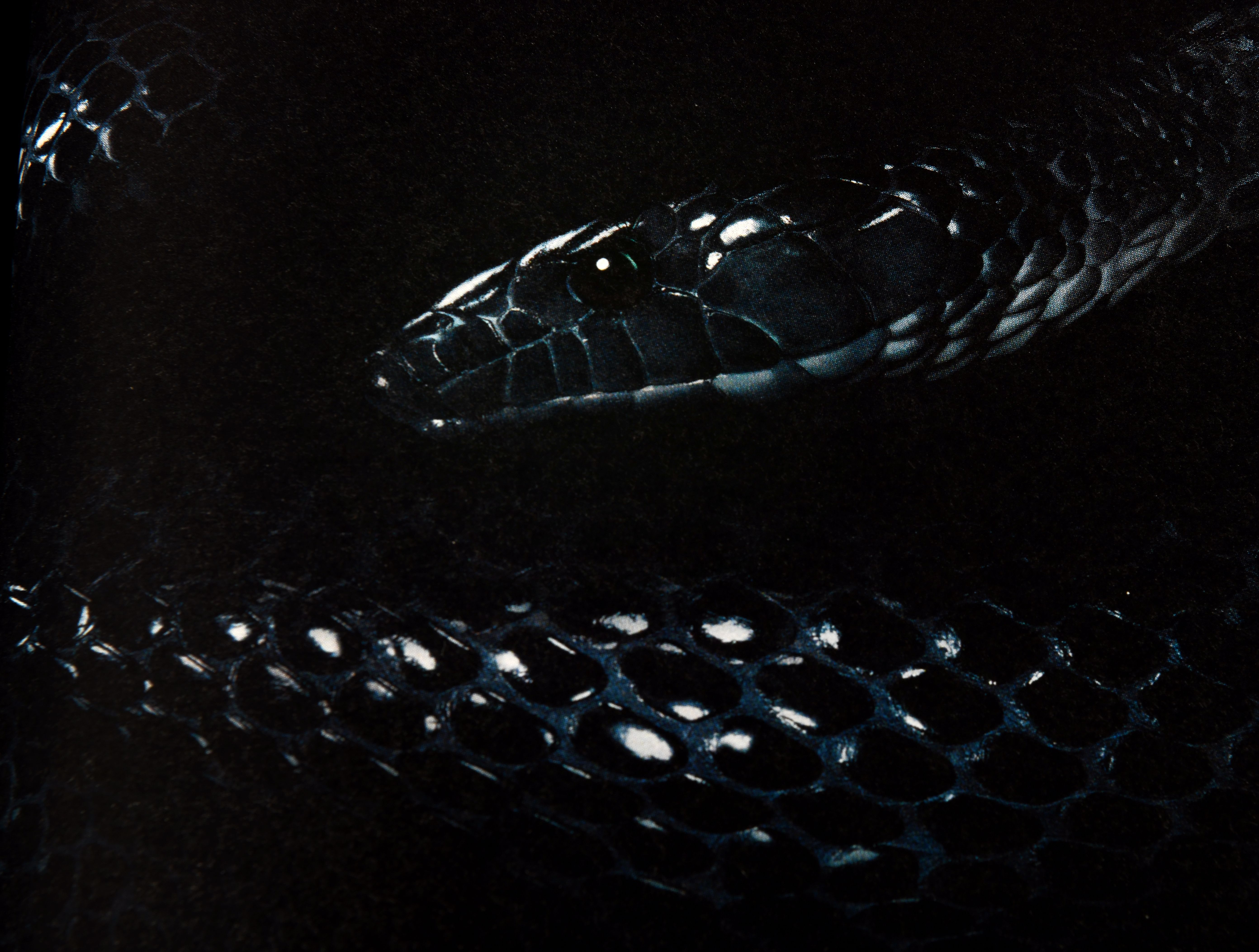
Gentry Humphrey, Nike executive in charge of marketing, observed the braiding of the material. “It looks like a snake,” he thought. The idea resonated with his colleagues. That same night, Humphrey researched on the internet about “the toughest black snake”. The main result was the black mamba.
The black mamba, known for its speed, agility, and lethality, matched the qualities of the NBA star for whom the shoe was designed. Humphrey, with experience at Nike since 1994, prepared a presentation that included the snake as the central element of the campaign. Images of the black mamba were combined with videos of the player in action.
The synergy between the material, the black mamba, and the NBA star seemed natural. “Everyone agreed,” Humphrey revealed. The next phase was to develop a global campaign and present it to the player who would represent it. The chosen one was Michael Jordan.La mamba negra, símbolo de velocidad y peligro, inspiró el diseño de una zapatilla pensada para Michael Jordan.Nowadays, the black mamba is associated with Kobe Bryant, a Los Angeles Lakers legend. His “Mamba Mentality” has been celebrated on posters, murals, and advertisements. “Mamba Day”, August 24 (8/24), pays tribute to Bryant’s jersey numbers. In his last game, on April 13, 2016, after scoring 60 points, Bryant said goodbye with a “Mamba out!”
Nike has launched several sneakers with mamba-related elements, such as snake-skin designs. The story of how an idea for Jordan became Bryant’s legacy reveals one of the most surprising stories in sports marketing.
The first Air Jordans were released in 1985. The sneaker line generated almost $7.3 billion in sales in the fiscal year ending May 2025. The design of each model involves a team and, above all, Jordan. In the first 18 versions, Jordan provided ideas and feedback. External influences were common: the Jordan 5 was inspired by a World War II fighter plane, the 6 by a German sports car, the 7 by West African tribal art, and so on.
For the model 18, Jordan suggested an Italian leather driving shoe. “Can you make a basketball sneaker that looks like a piece of leather inspired by this shoe?” he asked. Kuerbis, the model’s designer, remembers Jordan’s approval: “When he puts it on, that’s when it really becomes the Air Jordan.”
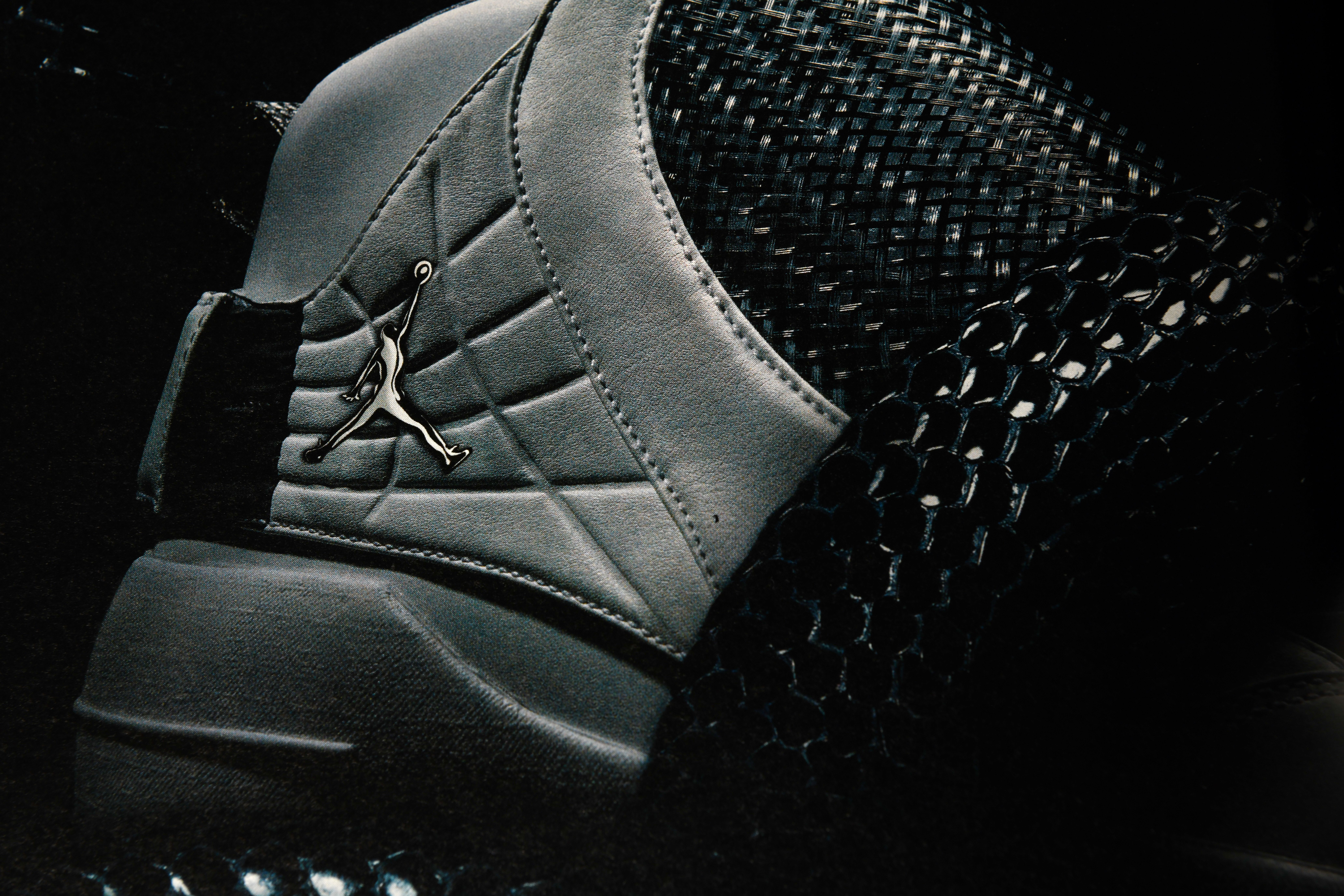
The model 19 marked the first time the initial concept came from the design team. Humphrey and others at Nike believed that the way Jordan attacked on the court resembled the speed of a snake, and now they had the material to represent it: the Tech Flex. The challenge was to convince Jordan.El “Tech flex”, un material que prometía la primera zapatilla sin cordones, también recordaba a la piel de serpiente.Following Humphrey’s presentation, the black mamba campaign for the Air Jordan 19 generated enthusiasm. Kuerbis began working on sketches and prototypes. He took them to Jordan during a Wizards off day in Miami. In the locker room, Jordan, who was wearing the 18 model, examined the shoe. He asked about the durability of the Tech Flex and suggested laces under the braiding. Overall, Jordan was “excited and curious”.
Humphrey and Kuerbis continued. In the spring of 2003, at a meeting in Chicago, Humphrey presented the concept of the black mamba to Jordan. However, he realized a problem: Jordan was not comfortable.El diseño inicial de la Air Jordan 19 incluía la piel de serpiente de la mamba negra.In the spring of 2003, Tina Davis, from the Wieden+Kennedy agency, gathered her team in New York. Nike had been working with Wieden+Kennedy since 1982. Justin Barocas, the agency’s media director, wanted to create impactful images for the black mamba campaign. They tried to photograph a live black mamba, but found it was illegal in the United States. They used another snake, which was so big that “you wouldn’t want it loose in the room.”
In the New York office, they combined photos to digitally recreate the black mamba around the sneaker, and the team prepared for the launch of the Air Jordan 19 in the spring of 2004. The next step was for Jordan to visit the Nike facilities to see the campaign.
In 2003, Jackie Thomas was preparing a presentation in an empty conference room at Nike’s facilities. She heard a deep voice: “You must be Jackie.” It was Jordan. Thomas, the new marketing director of Jordan Brand, was in charge of overseeing the marketing of all Jordan products. The goal was to preserve the integrity of the retro product while innovating.
The presentation to Jordan had to be complete. After the presentation, Thomas felt relieved and excited. The next day, she received a call from Larry Miller, president of Jordan Brand. “MJ doesn’t like snakes,” he told her.
Thomas, surprised, tried to convince Jordan, but without success. Finally, Jordan allowed the campaign to be launched, but requested a change for future models.
On March 14, 2004, a two-page ad for the Air Jordan 19 appeared in ESPN The Magazine. The campaign was quickly modified, and subsequent ads did not mention the black mamba.
The people involved acknowledge that the black mamba campaign went further than expected, given Jordan’s dislike of snakes. Jordan’s fear of snakes was a secret. In a 1992 interview, Jordan revealed his fear of water. Mark Vancil, an author who worked with Jordan, explained the depth of his phobia: “He was terrified.”
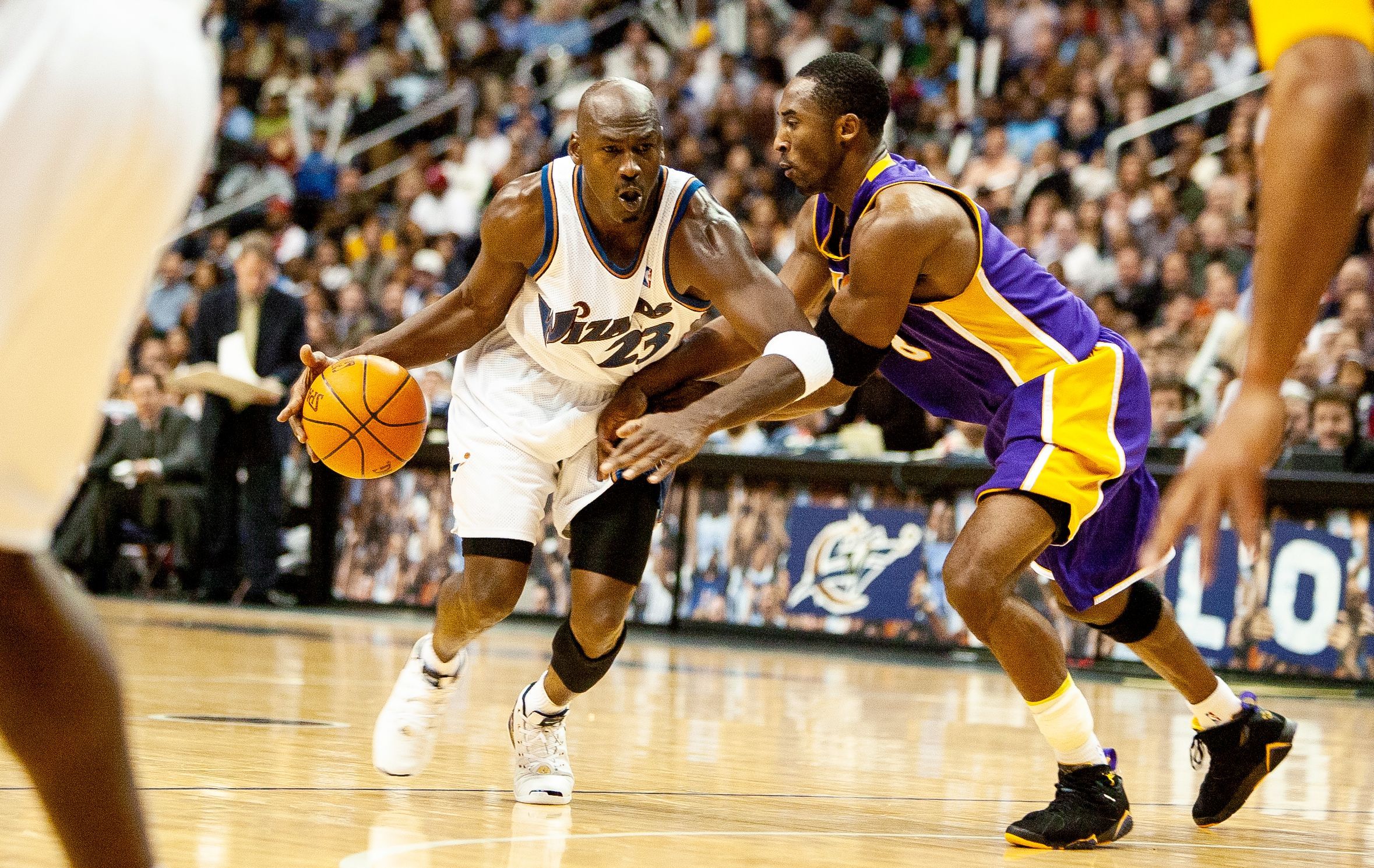
In August 2023, Jordan’s son revealed that he and his brother played a prank on their father with fake snakes. Barocas and others were not surprised that Jordan hid his fear of snakes.Un año después del último partido de Jordan, se estrenó “Kill Bill Vol. 2”, película que cautivó a Kobe Bryant.On April 16, 2003, Jordan played his last game. A year later, “Kill Bill Vol. 2” was released. In one scene, Elle Driver uses a black mamba. Bryant, who saw the film, was captivated.
“I said to myself: ‘Let me investigate this.’ I investigated it, and I said: ‘That’s me! That’s me!'”.
Kobe Bryant
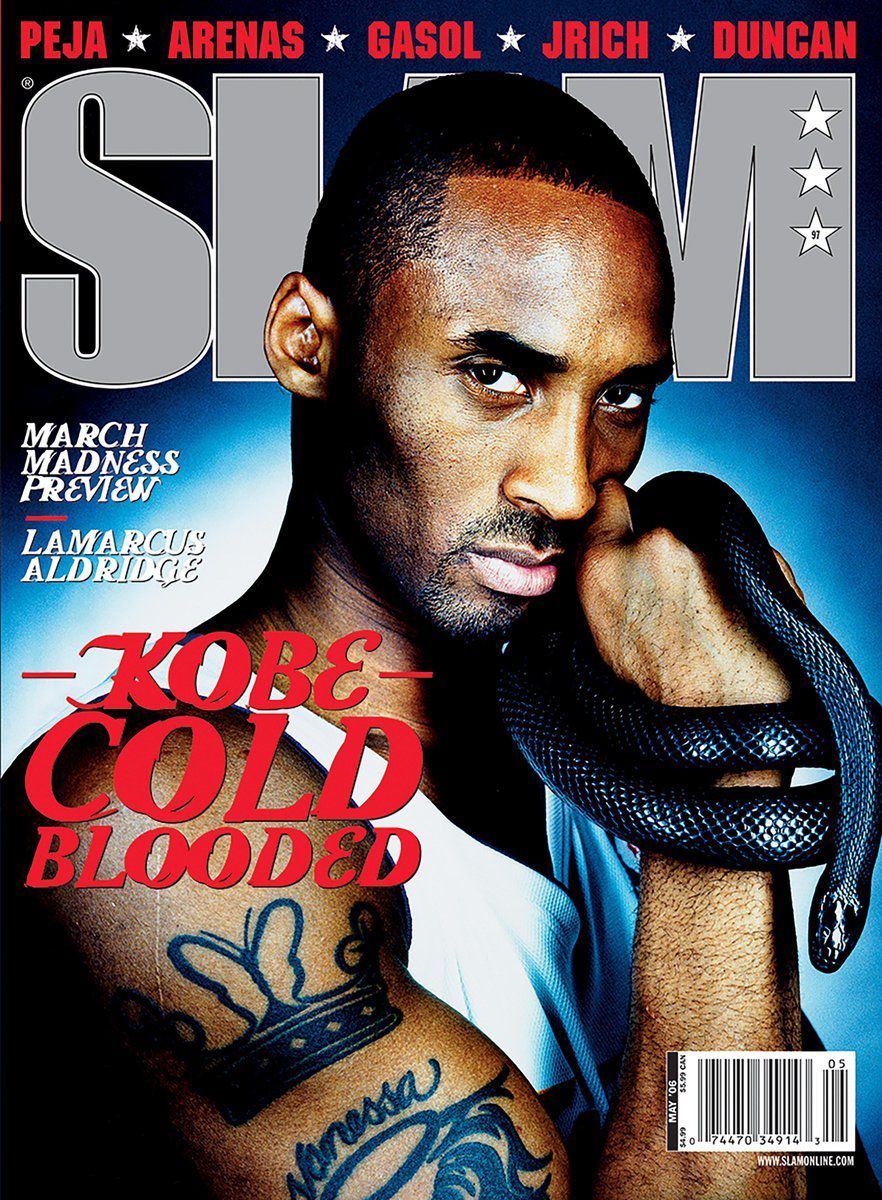
La primera imagen de Bryant con la mamba negra apareció en la portada de SLAM Magazine en el verano de 2006.In June 2003, Bryant signed with Nike. In July 2003, he was accused of sexual assault, but the charges were dismissed in 2004. Bryant adopted the black mamba persona during this period.
The first mention of Bryant’s association with the black mamba appeared in a 2005 ESPN The Magazine publication. The first image of Bryant with the snake appeared in the summer of 2006 on the cover of SLAM Magazine.
Eric Avar, who designed several of Bryant’s shoes, said that the origin of the Black Mamba campaign dates back to the Nike Zoom III, released in 2007.
In December 2008, Nike launched the limited edition Nike Zoom Kobe IV “Venom” sneaker. In December 2010, the Zoom Kobe VI was released, with a snakeskin texture.
In February 2011, the short film “The Black Mamba” starring Bryant was released. Some at Nike were surprised by the success of the campaign.
Nico Harrison, who worked at Nike for 19 years, did not recall the black mamba campaign for the Air Jordan 19, nor that it had been mentioned to Bryant. Thomas also did not remember having spoken to Bryant about the subject.
Harrison pointed out that it is logical that Bryant did not know about Jordan’s campaign, as there was a strict separation between Jordan Brand and the rest of Nike.
Davis added that, after Jordan’s campaign, the idea was shelved. Avar stated that Jordan and Bryant’s concepts were different.
A Jordan representative declined to comment. In Nike files, an ad for the Air Jordan 19 is displayed with the caption: “Inspired by the black mamba, the lightest, most flexible and breathable Air Jordan to date.”
The Black Mamba campaign for Bryant continues. In January 2025, Nike announced the “Year of the Mamba”, with a new collection.
The Kobe 5 Protro “Year of Mamba” was released in several colors, featuring a snake around the Nike logo.