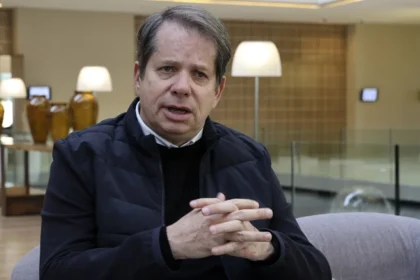
Despite the adversities, football remains a passion rooted in Haiti, fueled by the country’s recent qualification for the World Cup after a long absence. This sporting joy contrasts with the precarious security situation the country has been experiencing since 2018, with a large part of the capital under the control of armed gangs. Dr. Yves Jean Bart, former president of the Haitian Football Federation (FHF), highlights the lack of state support for sports development.
Sports infrastructures are scarce, with centers that no longer operate and stalled projects. Jean Bart mentions projects financed with loans, but without concrete results or transparency in the use of funds.I have never felt that the State of Haiti cares about the development of sport in a rational way.
Dr. Yves Jean Bart
The practice of football adapts to the lack of facilities, using improvised spaces such as vacant lots and streets. The players, often without resources, play barefoot or with makeshift footwear, demonstrating an unwavering passion. Balls made with recycled materials allow children to enjoy the sport, which unites rich and poor.The constructions, wherever they have been erected, are almost junk.
Dr. Yves Jean Bart
The qualification for the 2026 World Cup is a significant achievement, considering the lack of resources and sports infrastructure compared to other countries. Haiti faces a security crisis with thousands of deaths due to the violence of armed gangs, in addition to the consequences of natural disasters such as the 2010 earthquake.Football and its practice have no cultural, social, or religious taboos. Along with carnival, it is the only activity accessible to all Haitians, both rich and poor.
Dr. Yves Jean Bart