
UNDP highlights progress in digital transformation and efficiency of the Dominican judicial system
The justice system of the Dominican Republic has undergone significant transformations in terms of transparency, digitalization, and operational efficiency. This was confirmed by the United Nations Development Programme (UNDP) following the presentation of its recent report titled Justice and Human Development in the Dominican Republic.
The document, unveiled at a joint event with the Judiciary at the PUCMM facilities, was attended by Magistrate Henry Molina, President of the Supreme Court of Justice. The analysis highlights that institutional modernization has allowed for a resolution capacity of 94.9%, a key indicator of the dynamism the system has taken on in recent years.
Achievements in judicial digitalization
One of the most relevant points of the report is the impact of technology on file management. Among the most notable data are:
- More than three million documents have been validated using a digital signature.
- Approximately 66% of judicial procedures are already processed electronically, streamlining the response to citizens.
The fundamental challenge is to ensure that institutional progress translates into effective and equitable access to justice throughout the national territory.
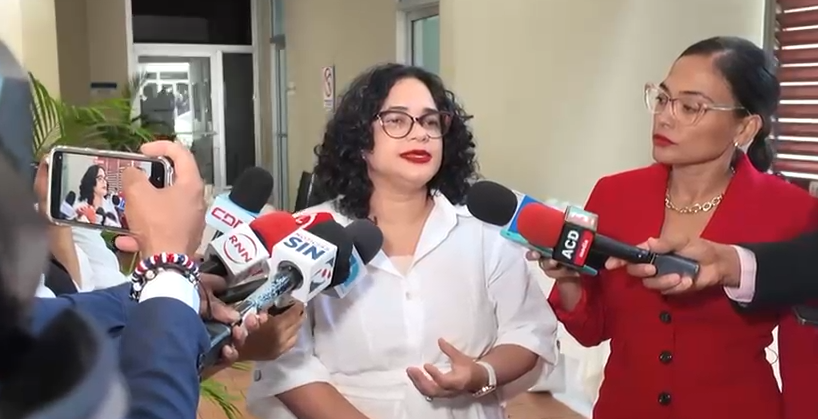
Ana María Díaz, UNDP Resident Representative
Remaining challenges for equitable access
Despite the progress, the study warns that there are still gaps that limit full access to justice. Factors such as socioeconomic level, area of residence, gender, and citizens’ digital skills continue to be variables that influence people’s ability to navigate the judicial system with ease.
Faced with this reality, the UNDP has formulated 11 strategic recommendations, which are integrated with the vision of the Justice of the Future 2034 Plan. Among the main proposals are:
- Decentralize and expand judicial services in areas with the greatest needs.
- Implement simpler and more accessible citizen-friendly language to guide users.
- Promote mediation and conciliation mechanisms to reduce the procedural burden.
- Maintain in-person assistance in parallel with digital services so as not to exclude vulnerable sectors.
- Strengthen specialized care protocols for women victims of violence, minors, and people with disabilities.
These recommendations seek to ensure that the technological transformation is not just an administrative improvement, but a pillar that guarantees the effective protection of the fundamental rights of all Dominicans in their daily lives.