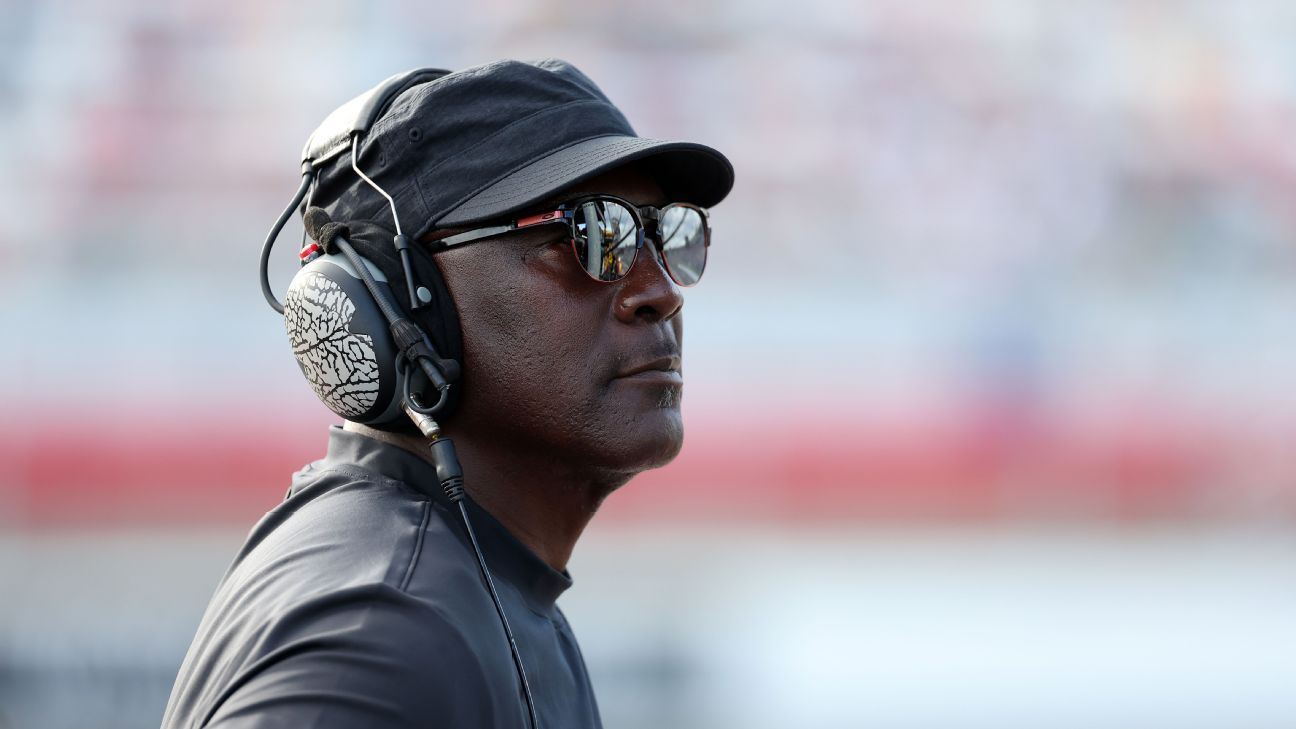
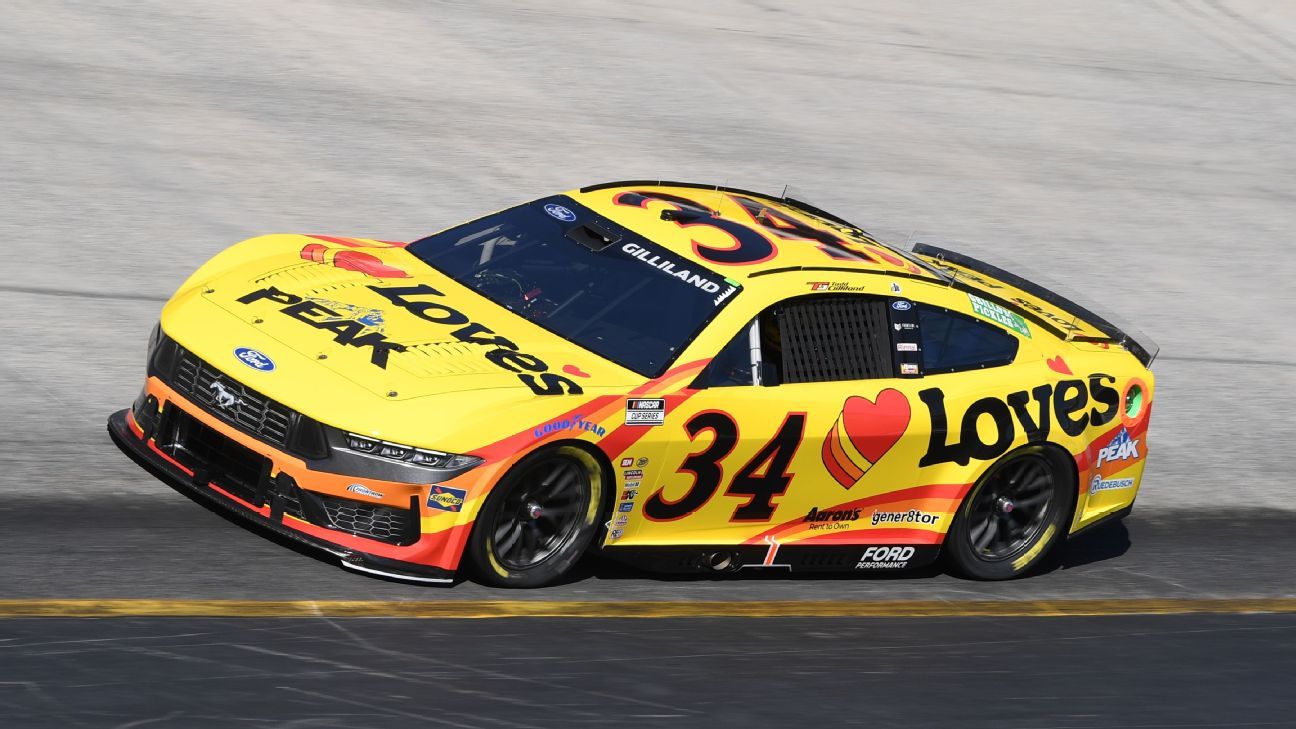
The world of motorsports is gearing up for a high-octane legal showdown. The 23XI Racing team, co-owned by basketball legend Michael Jordan, along with Front Row Motorsports, are facing off against NASCAR in an antitrust battle that promises to reshape the landscape of stock car racing.
The conflict, which began with the filing of a lawsuit in October 2024, questions NASCAR’s business practices, alleging the use of monopoly power to restrict the income and independence of racing teams. The trial, which began on Monday, could significantly alter the business model of stock car racing.
The Contenders: 23XI Racing and Front Row Motorsports
23XI Racing, founded five years ago, competes with Toyota vehicles driven by renowned drivers such as Bubba Wallace, Tyler Reddick, and Riley Herbst. The team is co-owned by Denny Hamlin, a prominent figure in NASCAR, and Michael Jordan himself, along with his business partner Curtis Polk.
I did it for the smaller teams as well. It’s not just for me. I believe everyone should have the opportunity to succeed in any business. My voice says that hasn’t been happening.
Michael Jordan, co-owner of 23XI Racing.
Front Row Motorsports, led by Bob Jenkins, has competed in the Cup Series since 2005 and currently fields three Ford vehicles driven by Noah Gragson, Todd Gilliland, and Zane Smith.
The Core of the Dispute: NASCAR’s Charter System
The heart of the lawsuit lies in NASCAR’s charter system, a model that, according to 23XI and Front Row, limits the earning potential and independence of the teams. The charters, which guarantee a starting position and a share of the revenue in each event, are considered by the plaintiffs as an unfair system of revenue distribution.
The charter system, introduced in 2016, grants teams a share of the revenue and a guaranteed spot on the grid. However, the plaintiffs seek “perennial charters” that automatically renew, something NASCAR has not granted.
The controversy intensified during the negotiations for the extension of the letter agreement, where the dispute over the distribution of the revenue from a $7.7 billion television deal was a key point. The teams ultimately secured a 49% share, but failed to secure permanent letters.
Key Declarations and Positions
The pre-trial documents revealed key financial information, showing that teams with a charter receive a base of around $185,000 per event, with an average of $330,000 and the best teams reaching almost $500,000. The plaintiffs are seeking greater financial transparency and fairer competition.
NASCAR, on the other hand, defends the charter system as a crucial element of the sport’s structure, created with and for the teams. The organization argues that the financial stability of the teams is linked to television rights agreements.
The Lawyers at the Center of the Legal Battle
The case is led by two prominent figures in the sports legal field: Jeffrey Kessler, known for representing athletes in conflicts with leagues, and Chris Yates, who has defended NASCAR and other sports organizations.
Kessler and Yates, with a long history of clashes in antitrust cases, promise an intense legal battle that could have a significant impact on the future of NASCAR.
The Future at Stake
The initial trial is scheduled to last 21 days, but appeals are anticipated. The outcome could be a radical change in NASCAR, either with the departure of 23XI Racing or a restructuring of its business model.
The outcome of the trial could determine whether NASCAR loses a key team or is forced to modify its business structure. Denny Hamlin himself, co-owner of 23XI Racing and an active driver, has acknowledged the seriousness of the situation, suggesting that “one of us is on a suicide mission”.