
Hamilton and Ferrari: Nightmare or Resurrection in 2026?
The union between the most successful Formula 1 driver and the most decorated team promised to be a perfect match. However, the 2025 season concluded with Lewis Hamilton calling it a “nightmare”, after failing to adapt to an underperforming Ferrari.Will Hamilton and Ferrari be able to recover in 2026, with a change of rules and renewed regulations? Or could this be the last year of the seven-time champion in the red team and, perhaps, in F1?
As Hamilton turns 41, we analyze the keys to a crucial year for the British driver.Lewis Hamilton on 2026 after a difficult season at Ferrari: “It’s time for change”
What happened last season?
Hamilton’s start at Ferrari generated great expectation, with a viral Instagram post from Maranello. After a discreet start in Australia, the excitement seemed justified a week later, when Hamilton achieved pole position in the China sprint, an event he won the next day. However, Ferrari was disqualified from the Shanghai race for two infractions related to the underside of the floor, a key aspect of their season. Understanding why Hamilton’s year became complicated involves this point. In essence, the key to Ferrari’s season resided in that disqualification in China.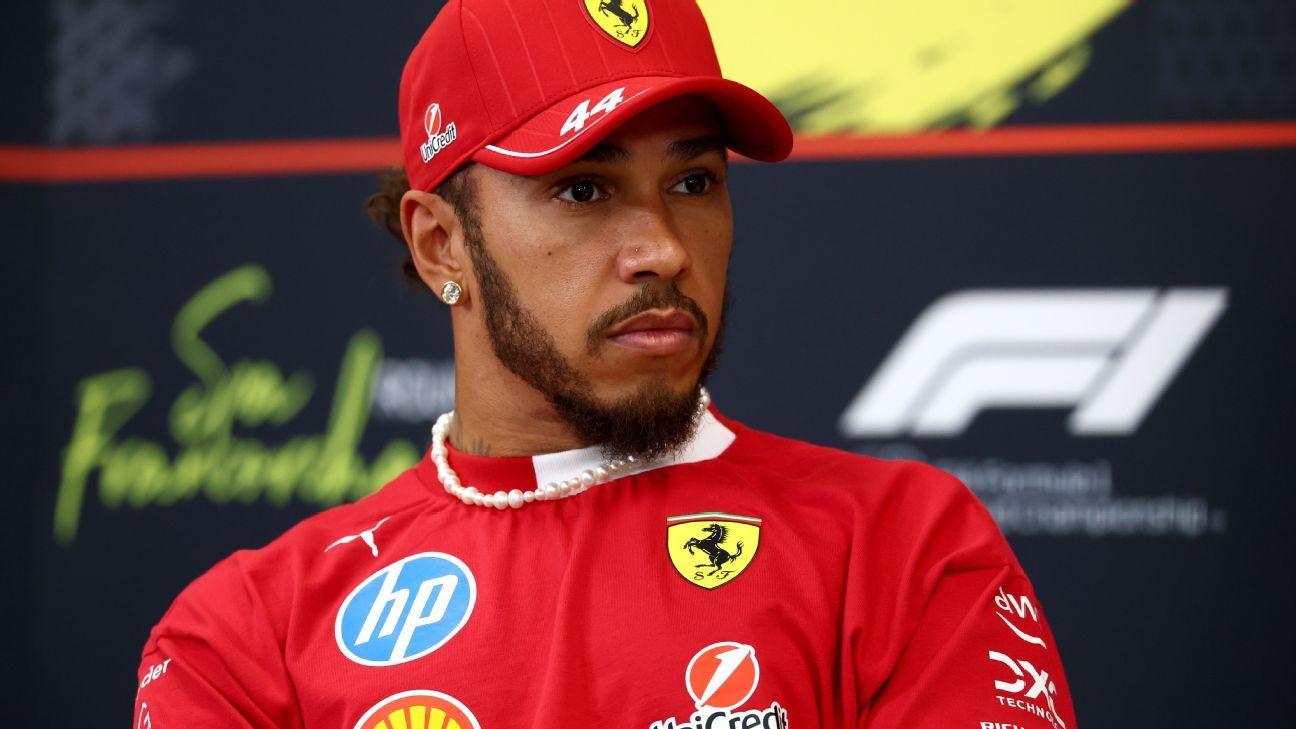
Will it improve this year?
It is to be expected and thought so. Hamilton was not a fan of the last generation of F1 cars, the much-criticized “ground effect” era that was in effect between 2022 and last year, and expects a better feeling with the new cars that will come into effect from 2026. F1 has promised that this latest iteration will be more agile and better for overtaking, and the expected complexity of the various modes and active aerodynamic adjustments that drivers can make lap after lap, in theory, should favor some of the most experienced drivers in the sport at the beginning of the season. If that is the case, it could return some much-needed initiative to Hamilton.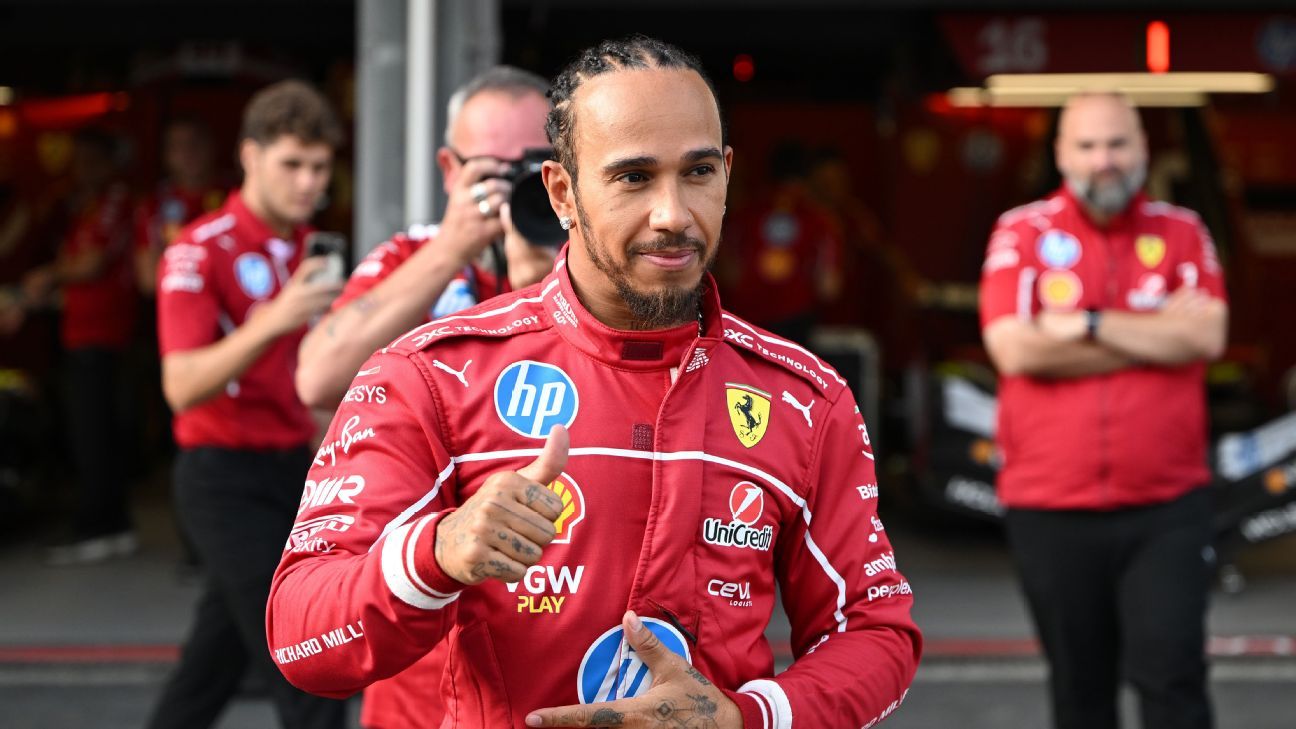
Could this be his last season in F1?
It’s hard to say, but as things stand, don’t bet on it. Late last year, Hamilton strongly hinted that he had an agreement that extended far beyond two seasons with Ferrari. “I have a pretty long contract,” Hamilton said in November. “Normally, when you make a contract, it’s the previous year when you start talking about it, so I’m a little ways away from that point.” It is believed that Hamilton has options including his post-career stage, perhaps an ambassadorial role with Ferrari itself, which could cloud the extent to which that means he actually stays in F1, but on the surface there is nothing to suggest that Hamilton could or might be out of the game at the end of the year. But that’s before we start running again. Surely Ferrari wouldn’t tolerate another year in which their asset, which costs a lot of money, is so out of sync in relation to Leclerc, especially if their car emerges as a contender this season. The company president, John Elkann, criticized his drivers at the end of the season and his patience, already waning, could be further tested if things don’t change. If things don’t improve for Hamilton, the encouraging progress of academy driver Oliver Bearman at Haas means there is a viable long-term option waiting in the wings if Ferrari wants to explore the nuclear option, although his time at Ferrari could be extended if the team can’t keep Charles Leclerc beyond 2026: there’s no way the team would allow itself to lose two star drivers in the same season. Either way, this part of the equation is impossible to predict. F1 contracts, if negotiated correctly, are usually loaded with various termination clauses and extension options for both parties to activate in different circumstances, so there could be exits if Hamilton struggles again. Then there’s Hamilton himself. His mood was negative for much of 2025, but we also saw signs of a lack of self-confidence during some of his last seasons at Mercedes. Hamilton has always shown his emotions and, if that continues during the season, it’s fair to wonder if he’ll want to keep performing when the results simply don’t come.While Fernando Alonso has maintained in his 40s with the vague hope of fighting for a third world title, his situation is very different from Hamilton’s: the joy of fulfilling his childhood dream of racing for Ferrari could keep him beyond 2026. But then there is the frustration with Ferrari as an entity to consider. Hamilton already hinted last year that some of his suggestions on how to improve the racing team were falling on deaf ears: the patience of Alonso and Sebastian Vettel with Ferrari’s method of operation finally collapsed during their own title-less periods with the team. There is a possibility that the same thing will happen with Hamilton. Watch this space, basically.
Who are the oldest F1 drivers?
Hamilton and Alonso, who turns 45 in July, are rarities for their time by racing into their 40s. But in the early years of F1, mature drivers were much more common. The oldest driver to participate in a race is Louis Chiron, who was 55 years, nine months and 19 days old when he participated in the Monaco Grand Prix in 1955. The 17 oldest drivers on the all-time list come from the 1950s, while you have to go all the way to Alonso, currently the 51st oldest driver to start a race, until you find a driver who has competed in a season after the 1970s. Hamilton, for now, is 101st, although that will increase this season. If he participates in 2027, he will surpass drivers like Kimi Raikkonen (42 years, one month and 25 days in 2021). Raikkonhen, Pedro de la Rosa and Michael Schumacher (43 years, 10 months, 22 days in 2012) are the only other drivers ‘ahead’ of Hamilton in the modern era.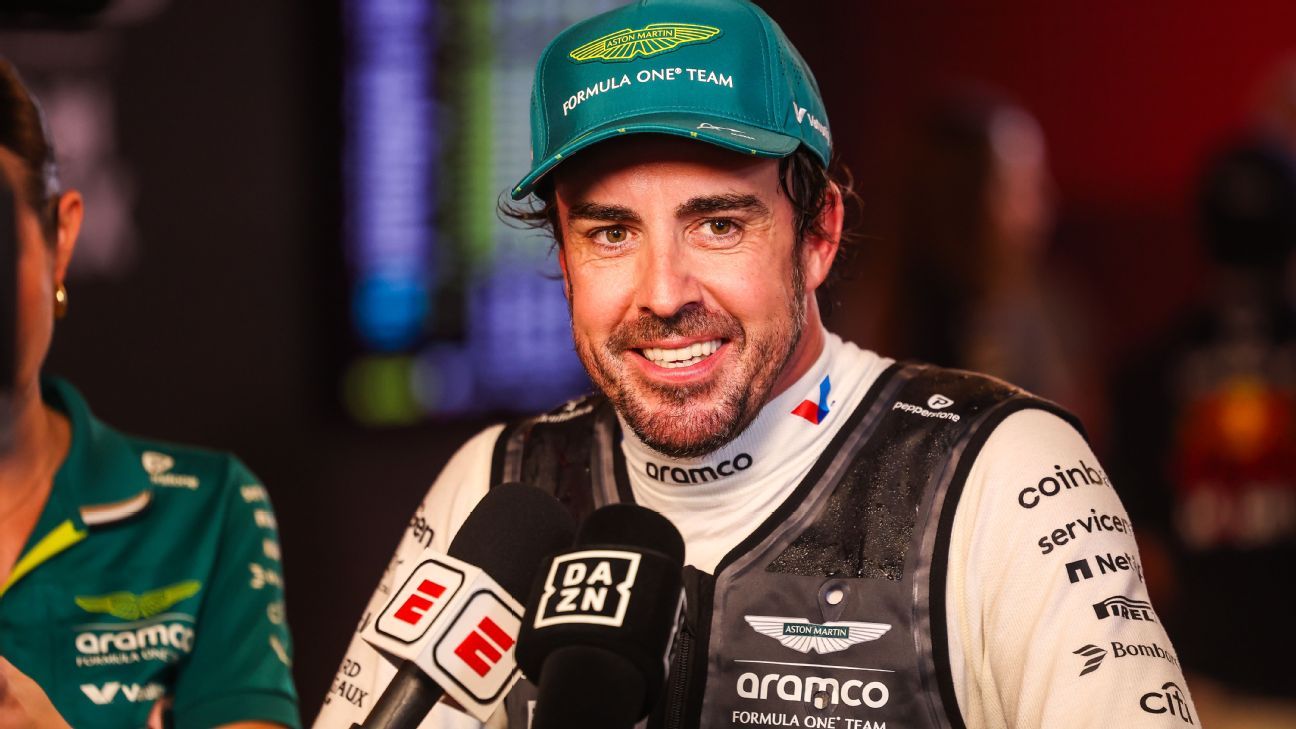
Key Dates Before F1 2026
- Ferrari car launch date: Ferrari will celebrate the season launch on January 23, three days before the pre-season private tests begin in Barcelona.
- Pre-season test 1: January 26-30, Circuit de Barcelona-Catalunya (behind closed doors)
- Pre-season test 2: February 11-13, Bahrain International Circuit
- Pre-season test 3: February 18-20: Bahrain International Circuit
- Australian Grand Prix (first race): March 6-8, Melbourne