
You need a title to understand everything.
Lewis Hamilton
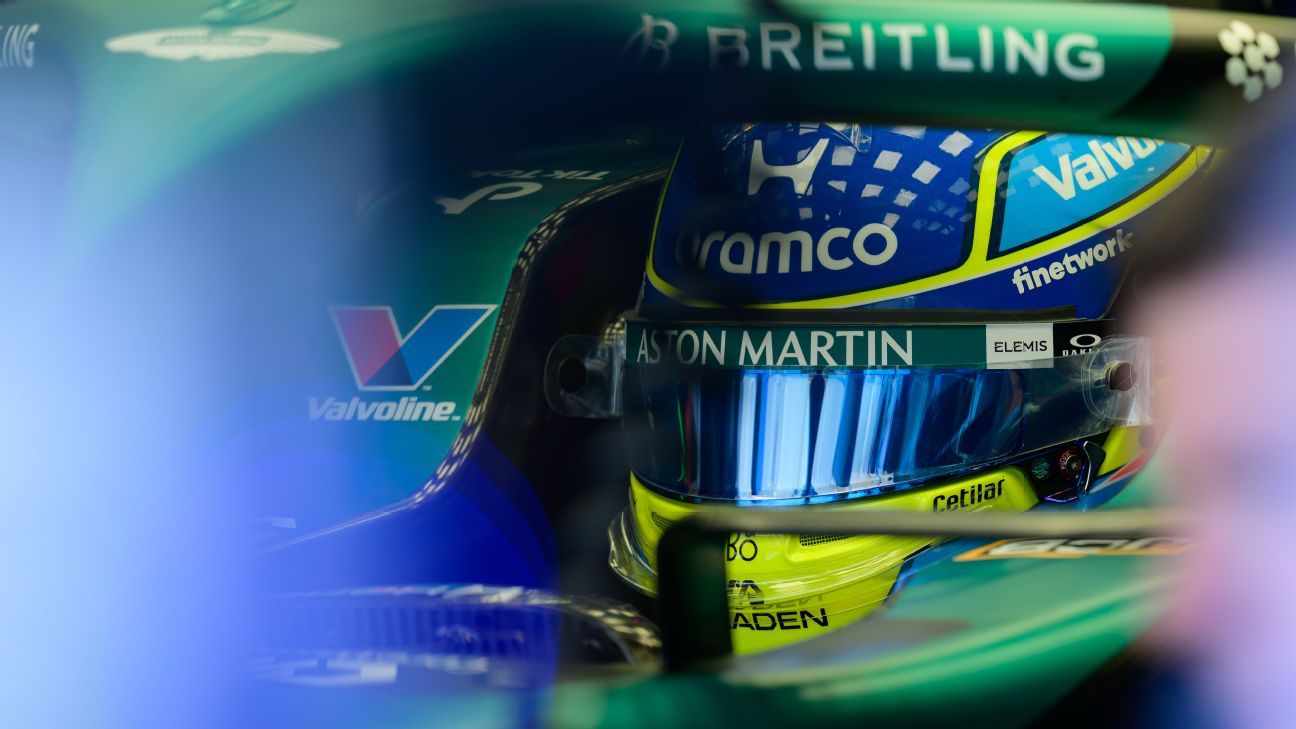
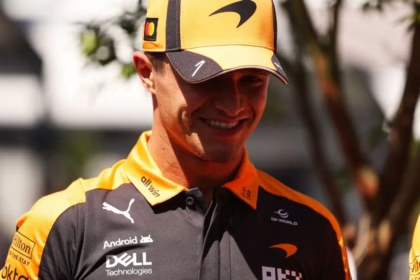
The criticisms are not limited to these two drivers. Fernando Alonso suggested that the energy management required in the new cars, with an almost 50-50 split between internal combustion and electric power, makes driving so easy in certain corners that even members of the media or the Aston Martin chef could do it without problems. Charles Leclerc has expressed his concern about the difficulty of overtaking. Lando Norris, initially a defender of the new cars, retracted, stating that they do not offer a pure racing experience.
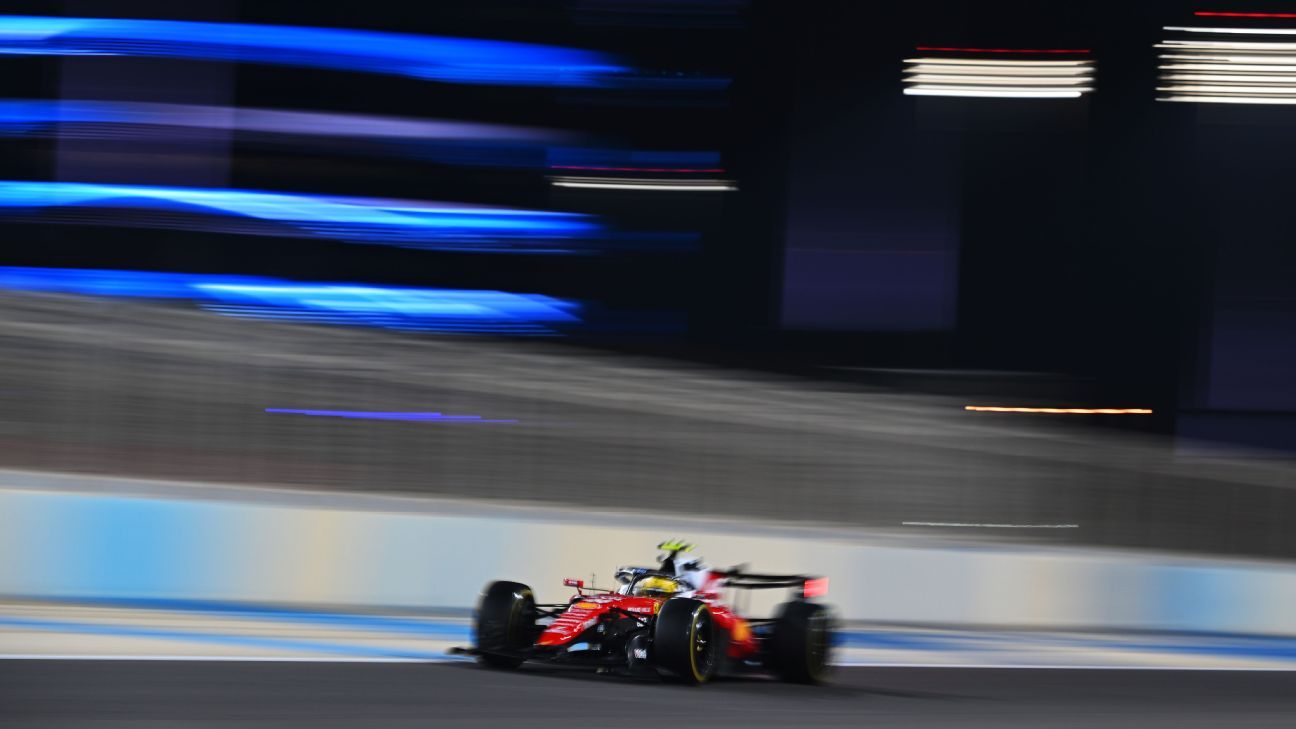
These changes in the single-seaters, both in aerodynamic design and in the engine, have generated a debate. The technology under the bodywork is at the center of the criticism. The complexity of the new formula has dominated the pre-season conversations.The new F1 power units, with a hybrid component, represent an unprecedented step. The 50-50 split between internal combustion and electric has placed a great emphasis on energy management and battery regeneration. There are two new battery-based power modes: the overtaking mode, which replaces the drag reduction system (DRS), and the boost mode, which the driver can use at their discretion. This change has added new words to the F1 lexicon. Alonso’s quote about the Aston Martin chef refers to the way cars now collect energy through braking, which means that many drivers enter corners slower to ensure they have fully recharged batteries to attack on the straight. These electrical elements have led to phenomena such as “super clipping”. The “super clipping” is an effect of hybrid engines that, in some cases, when the driver is at full throttle, the engine component that manages the recovery of kinetic energy intervenes to operate the power unit. This goes against the existing power and causes the car’s speed to decrease even though the accelerator is fully depressed. These technicalities have dominated the preparation for the Australian Grand Prix, which will be held on March 8 at the Albert Park circuit in Melbourne. Several broadcasting professionals have commented that the presentations on the new cars have perplexed even the most experienced media members. Verstappen, who has stated that his continued presence in Formula 1 will depend on how much he enjoys driving this generation of cars, reiterated his comparison with Formula E, suggesting the complete elimination of electric elements.I don’t think any of the fans will understand it. It’s ridiculously complex. I was in a meeting the other day and they explained it to us. It’s like you need a degree to understand it all.
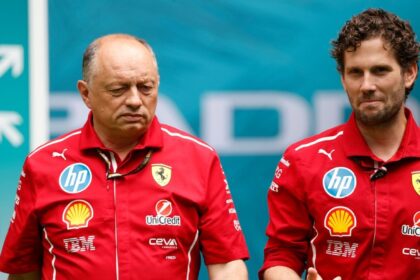
Charles Leclerc
F1 and the FIA are also testing an adjustment to the starting procedure to address safety issues caused by the time it takes for turbocharged gasoline engines to reach sufficient speed to start from a standstill position. A new five-second pause is likely to be added to the usual grid start time before the five standard lights are lit one by one.I want us to stay away from that and be Formula 1. So don’t increase the battery, get rid of that and focus on a good engine and have Formula E as Formula E, because that’s what it’s about. I’m sure that with the new car, from what I’ve seen and talked to some of my friends, it’s also going to be a very good car. But let it be Formula E. We should remain Formula 1, and let’s try not to mix that.
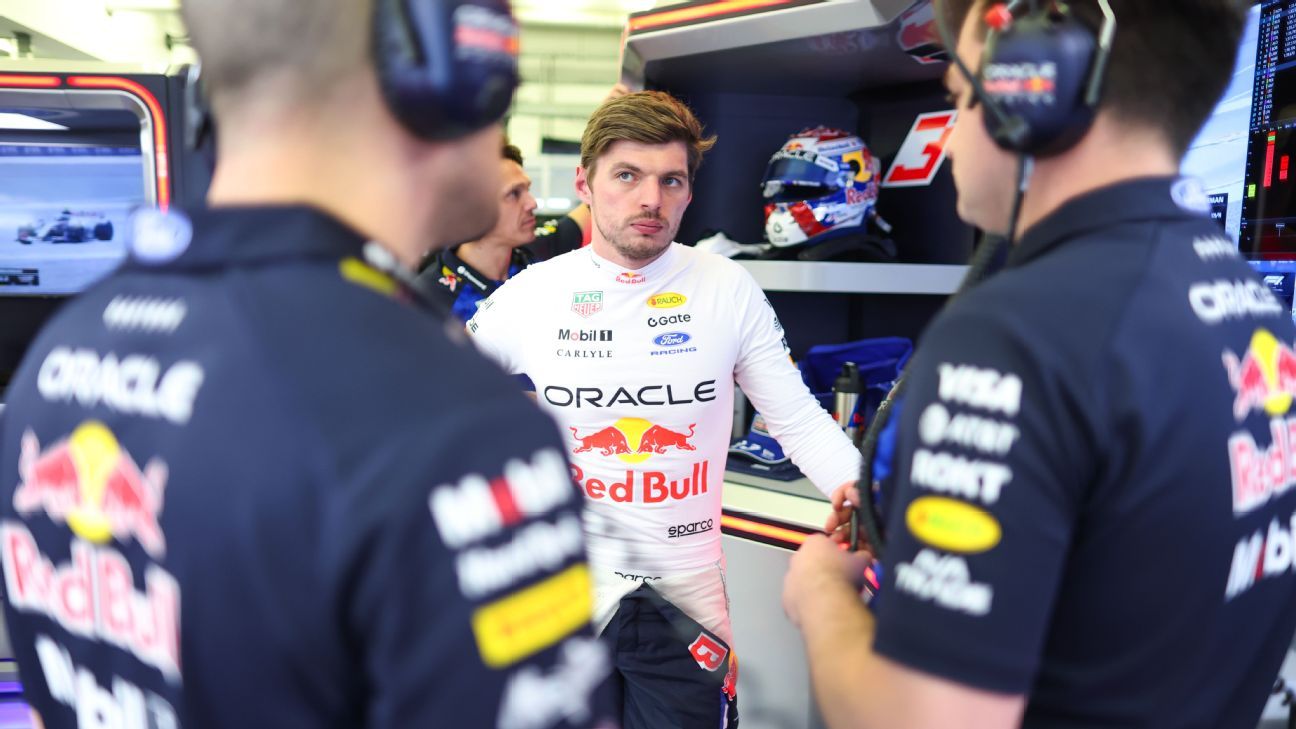
Max Verstappen
The rule modifications might not be limited to the output. The teams, F1, and FIA are in dialogue about whether to change the amount of electrical deployment available to each individual driver to combat many of the persistent concerns about the new vehicles.
Domenicali dedicated a large part of this week to talking to the drivers about their concerns. The F1 CEO assured the media that he was confident that Verstappen would not be tempted to quit because of the cars, despite the fact that the Dutchman has called them “unsportsmanlike”. Changes are still possible. F1, the FIA, the teams and the manufacturers are maintaining an open dialogue about what adjustments could be made before and after the Australian Grand Prix to reverse some of the most worrying elements of the new rules. It remains to be seen to what extent this helps resolve the concerns of Verstappen and his rivals. Domenicali ended his call with a final battle cry: “Don’t worry about energy management. We’re going to fix it… by the way, if we need to fix it.” It seems that F1 was prepared for a negative reception from the start. The first test opportunity for the teams was the unofficial January shakedown event in Barcelona, where the attendance of the media and fans was prohibited. F1 said that the teams had specifically requested both the additional testing and that it be private, but F1 also strictly limited the content that the teams could publish to the public at those events. Controlling the narrative seemed to be the name of the game at the beginning of the year, but comments from such influential drivers as Hamilton and Verstappen blew it to smithereens the moment any of them faced the media after driving the cars. The new rules, a clear step towards technology relevant to the road, were vital in attracting competition from companies like Audi, as a full-time engine manufacturer. The electrification of the regulations also convinced Honda to revoke the decision made in 2021 to abandon the competition. Ford has also stepped up its participation in Red Bull’s new engine project, while General Motors has committed to building its own engines for the new Cadillac team by 2028 or 2029. So, on paper, an undeniable and instantaneous victory. The overall health of Formula 1 has often been judged based on the number of different manufacturers participating, but it is also true that the automotive industry is increasingly moving away from the noisy combustion engines of yesteryear. For many who yearn for a return to the V12 or V10 engines of past decades, the growing criticisms of the latest F1 formula only corroborate their suggestion – the same one proposed by Verstappen – that the sport should move away from, not closer to, the trends of the automotive industry. The Formula E CEO, Jeff Dodds, took advantage of Verstappen’s mention of his series last week to invite the Dutchman to try one of their cars. Dodds also suggested that Formula 1’s biggest problem in getting to this point has been that the rules are effectively stuck halfway between two extremes.I don’t feel this anxiety; we need to remain calm. As always, when something like a new regulation occurs, there’s always the doubt that everything is wrong. I remember [the same thing] in 2014, I remember in 2020, I remember in 2021. As always, F1 as a system has always shown that technical solutions have always helped the team to be fast and the drivers to be the best, so I am totally positive about it.
Stefano Domenicali
FIA’s head of single-seater racing, Nikolas Tombazis, hinted at how complicated the push towards electrification has been in terms of keeping everyone happy with each rule change in F1.I think Max and Lewis and these guys have been pretty open in their concern about what happens when you effectively compromise the technology, keep the combustion technology, add propulsion technology and don’t choose a path.
Jeff Dodds