Professional Tennis: A Grueling Schedule and the Pursuit of Balance
The 2024 professional tennis season officially ended on December 22nd, with Joao Fonseca’s victory over Learner Tien at the ATP Next Gen Finals in Saudi Arabia. However, the 2025 season was already underway on December 27th with the United Cup in Australia. This tight schedule has reignited the debate about the length and intensity of the tennis season, a recurring theme among players.
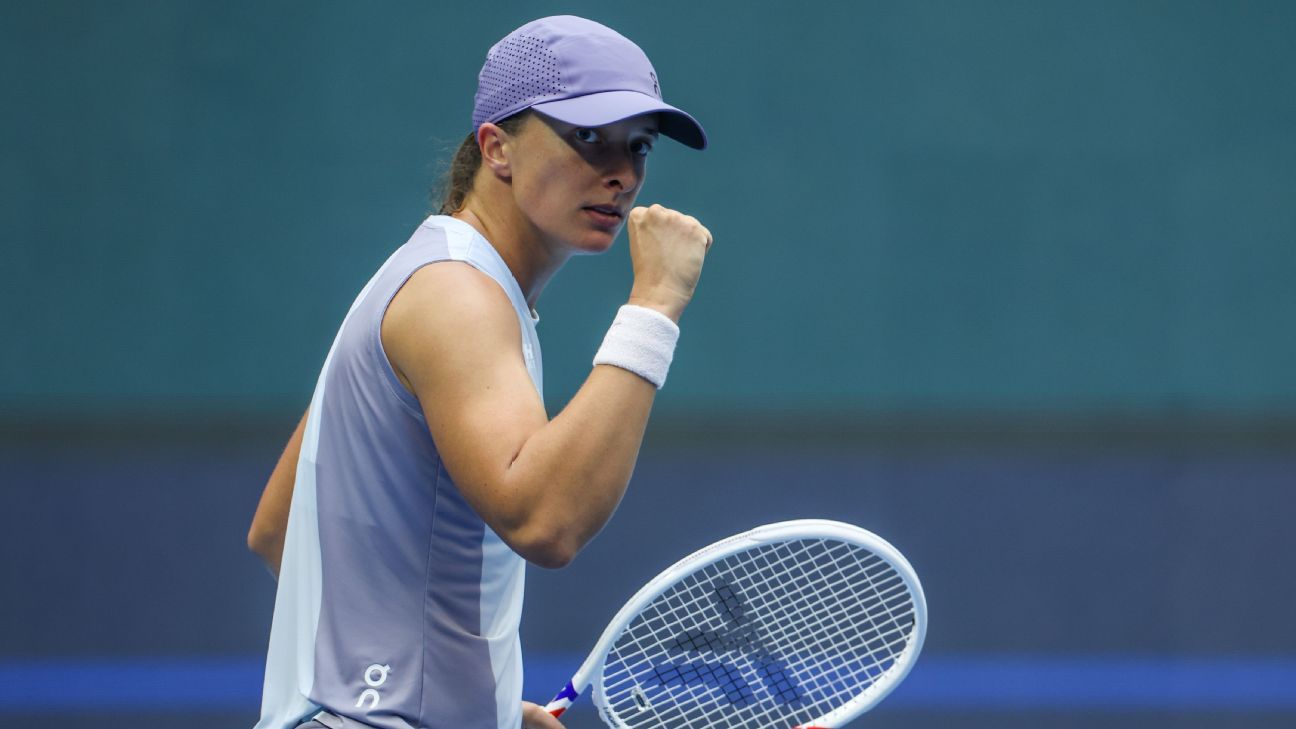
Players like Jordan Thompson have criticized the brevity of the off-season break, calling it a “joke.” The physical and mental demands of competing throughout the year have led several tennis players to express their frustration. Alex de Minaur attributed his early exit from Roland Garros to feeling “exhausted,” while Iga Swiatek criticized the intensity of the schedule, even questioning her participation in some mandatory tournaments.
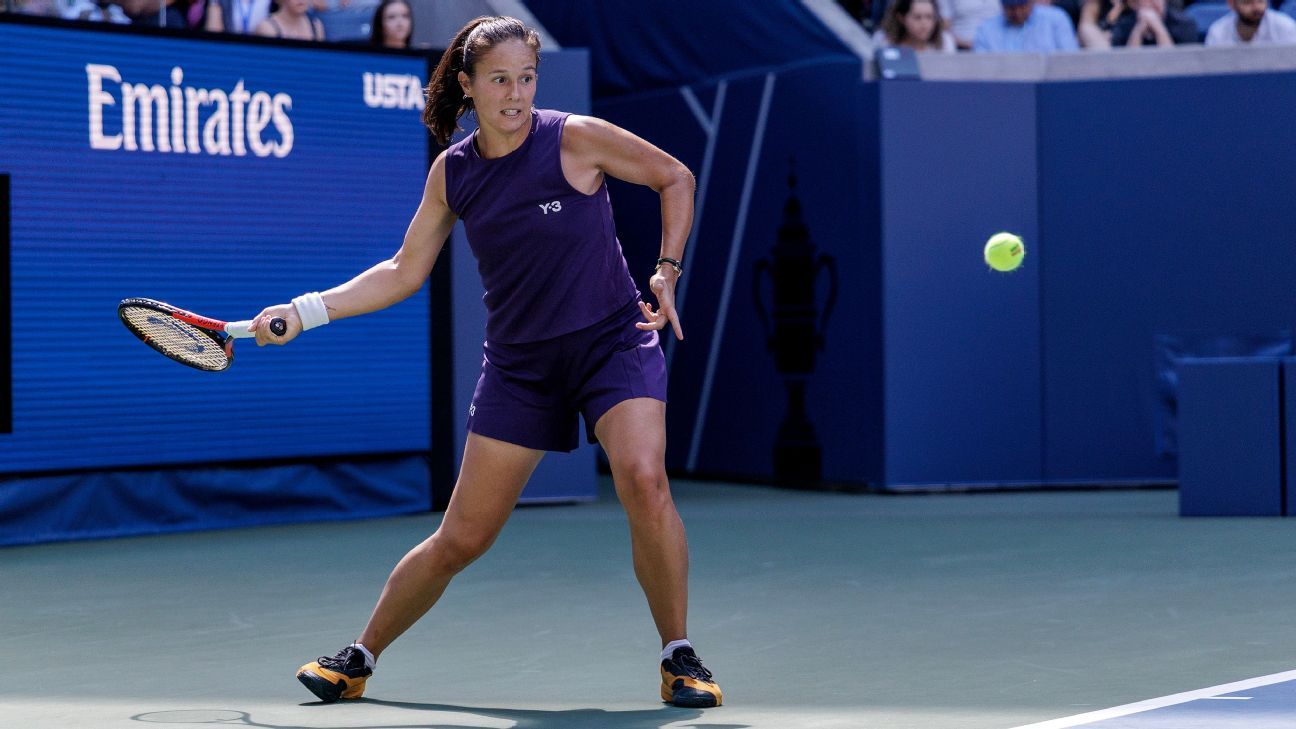
“The schedule is too much, mentally and emotionally I am at a breaking point and, unfortunately, I am not alone,” declared Daria Kasatkina in a social media post.
Daria Kasatkina
Mental and physical fatigue has led several players to end their seasons early, citing injuries and exhaustion. Frances Tiafoe, Danielle Collins, Jack Draper, and Daria Kasatkina are some of the names who have opted for an early rest.Taylor Fritz, who had an outstanding season in 2024, including reaching the US Open final and obtaining an Olympic bronze medal, has also expressed his concern. Fritz points out the lack of adequate rest time, especially for elite players, who, due to their success, see their season extended with events like the ATP Finals and the Davis Cup.
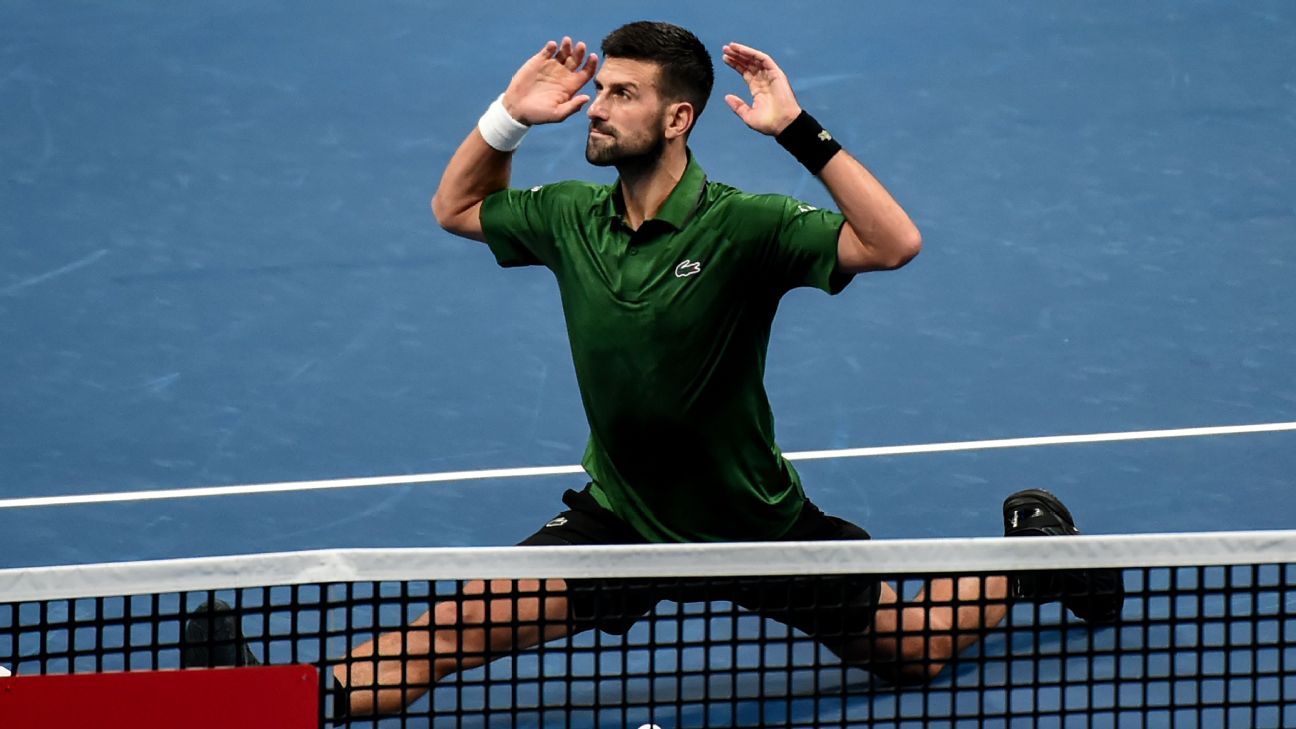
The American tennis player, like many others, is forced to train during the “pre-season”, which further limits rest time. For Australian players, time at home is precious, but it is reduced by the need to stay physically fit.Novak Djokovic, despite his successful career, has chosen to play fewer tournaments, prioritizing the most important events and time with his family. However, most players are forced to comply with tournament participation requirements to avoid losing ranking points and possible financial penalties. Iga Swiatek, Aryna Sabalenka, and Coco Gauff, among others, lost points due to not meeting tournament requirements.
The WTA and ATP have acknowledged player concerns and implemented changes, such as increased financial compensation and the introduction of new competitive opportunities. However, the discussion about the duration and intensity of the tennis calendar continues.The incorporation of a new Masters 1000 tournament in Saudi Arabia starting in 2028, and the expansion of 1000-level tournaments, raise questions about how the players’ workload will be managed. Tennis player Jessica Pegula has expressed her disagreement with the extension of the US Open.
Brad Stine, an experienced coach, suggests that players should be less “paranoid” about losing points and take breaks when necessary. However, he also points out that many players participate in lucrative exhibition events during the off-season or breaks, which contradicts their complaints about the schedule.
Carlos Alcaraz, one of those who has spoken the most about the need to shorten the season, has participated in exhibitions, but argues that they are different from official tournaments in terms of physical and mental demands.The widespread opinion is that something must change, but the solutions are complex. Fritz, like other top players, believes that the season is too long and doubts that significant changes will occur. The WTA and ATP claim that the health of the athletes is a priority, and they are in constant communication with the players to improve the circuit structure.
Djokovic, a constant critical voice regarding the calendar, acknowledges the complexity of the issue and emphasizes the need for players to get more involved to achieve significant changes.