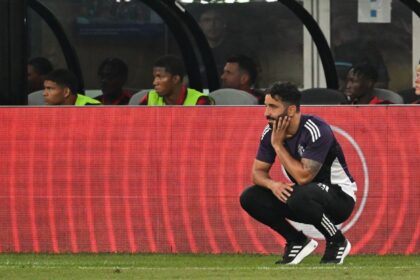

Norway Returns to the World Cup: An Expected Triumph After 27 Years
After defeating Estonia 4-1 and Italy with the same score, Norway has secured its qualification for its first FIFA World Cup in 27 years. This achievement marks the end of a long wait for Norwegian fans, who have seen their national team fight for a place in the most prestigious football tournament. The team, led by world-class players like Erling Haaland and Martin Ødegaard, has shown remarkable growth, driven by a combination of individual talent and an effective collective strategy. But, how has it taken Norway so long to return to the World Cup scene with such figures? The coach, Ståle Solbakken, who was a player in the 1998 World Cup, has managed to instill a new identity in the team. Solbakken emphasizes the importance of team spirit and belief in the project as crucial elements for success.“This generation has the same drive and spirit that we had. Everyone looks forward to meeting with the national team, everyone believes in the project and wants the best for others. You can talk endlessly about tactics and what you want from the players on the field, but it means little if you don’t generate that team spirit.”
Ståle Solbakken
- How all nations qualify for the 2026 World Cup
- Who would win the 2026 World Cup if it started today?
- Haaland in prolific form: ‘I’ve never felt better’
“Solbakken has built a tremendous culture within the team. They have overcome many criticisms and that has undoubtedly strengthened them.”
Erik Thorstvedt
The Nations League Boost and the Road to the World Cup
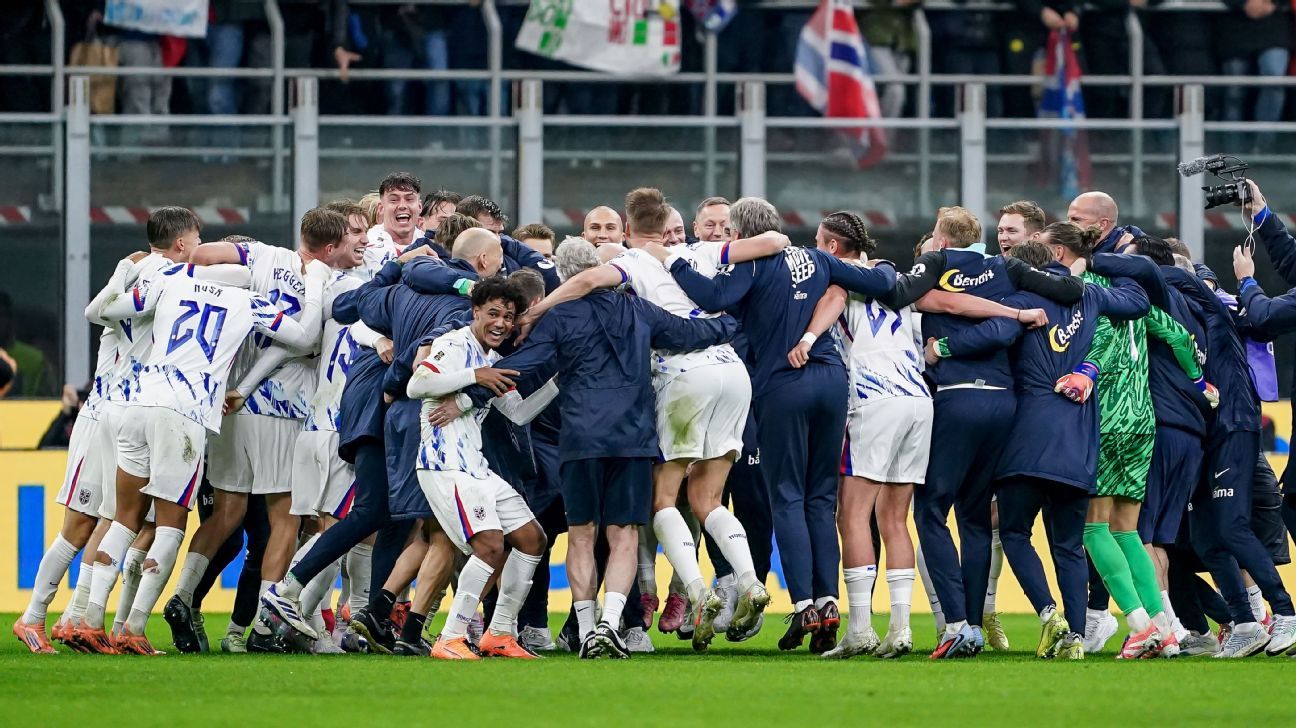
The resurgence of Norway began in the UEFA Nations League last autumn. After a 5-1 defeat to Austria in October 2024, the team regrouped to win the last two matches and advance to League A.Since then, Norway has won 11 consecutive competitive matches, including significant victories over Italy and Israel, showcasing impressive dominance.“That was the moment the players finally understood what Solbakken wanted. Those scenes in the stadium when Norway won the Nations League; you could feel that something new was happening. It may have only been the Nations League and the prize was simply promotion to League A, but it meant something. We finally ‘won’ something. It was a big turnaround; just a few weeks earlier, Solbakken had been written off as useless, and many were calling for his head.”
Erik Thorstvedt
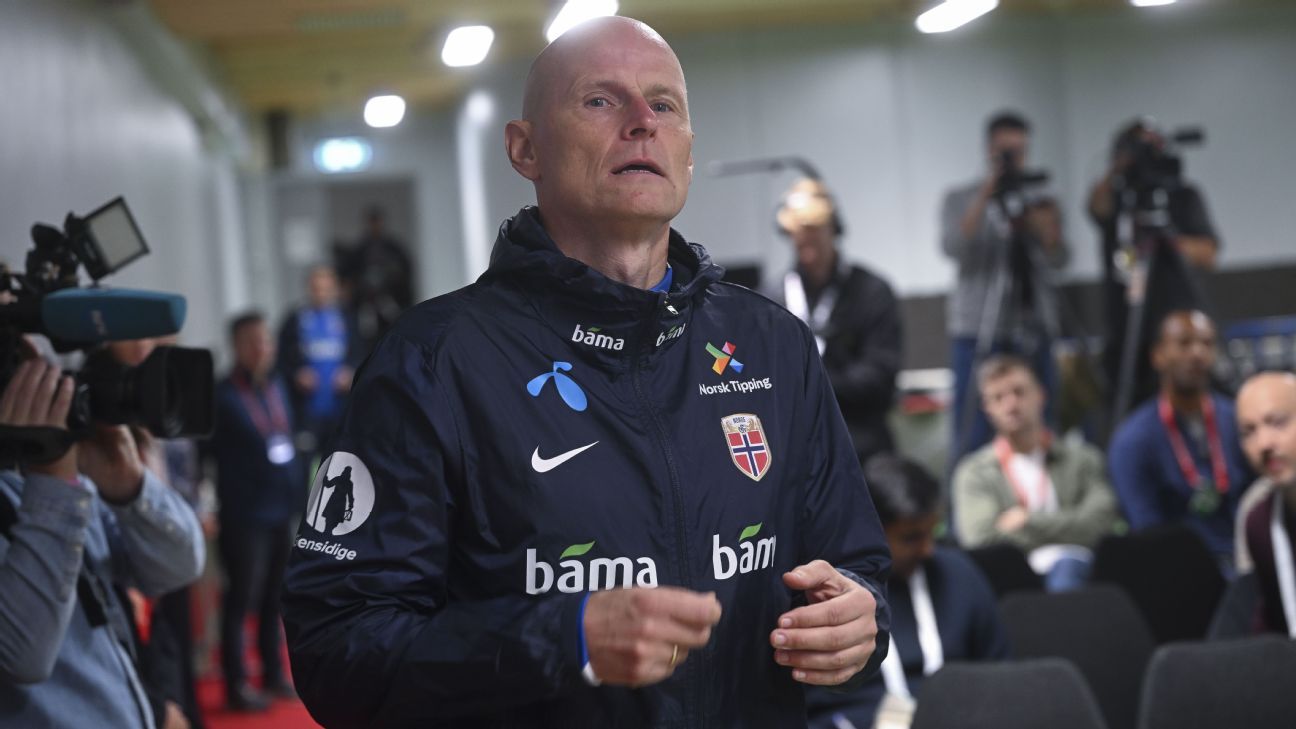
Thorstvedt sees this change as the moment Norway stopped fearing its opponents, with players like Ødegaard and Haaland playing a crucial role. A defining match was against Italy in June, where Norway demonstrated its tactical ability. Solbakken highlighted the importance of defending with the ball, controlling possession to wear down the opponent and conserve energy for attacking.“The key is that I have been able to work with a group that has become increasingly comfortable with the way we want to play football. Perhaps I was a bit too ambitious at the beginning, but I realized that with the players available, and those who were arriving, we needed to adopt a more offensive style. In other words, to feel confident imposing a more offensive approach even against traditionally stronger nations.”
Ståle Solbakken
A Tactical Shift and Haaland’s Success
Solbakken’s biggest advance has been structural. His team not only attacks more, but they attack more intelligently. The evolution from being reactive to dominating possession has defined this Norway. The 4-3-3/4-2-3-1 formation, ball circulation, and insistence on bravery in the game are key elements. The zonal defense, anchored by Kristoffer Ajer and Torbjørn Heggem, has strengthened the team. Sander Berge has found his best form at Fulham, complementing Ødegaard. Norway leads in Europe in dribbling and progressive runs, reflecting its style and confidence. With players like Oscar Bobb and Antonio Nusa, the team has demonstrated a great dribbling ability.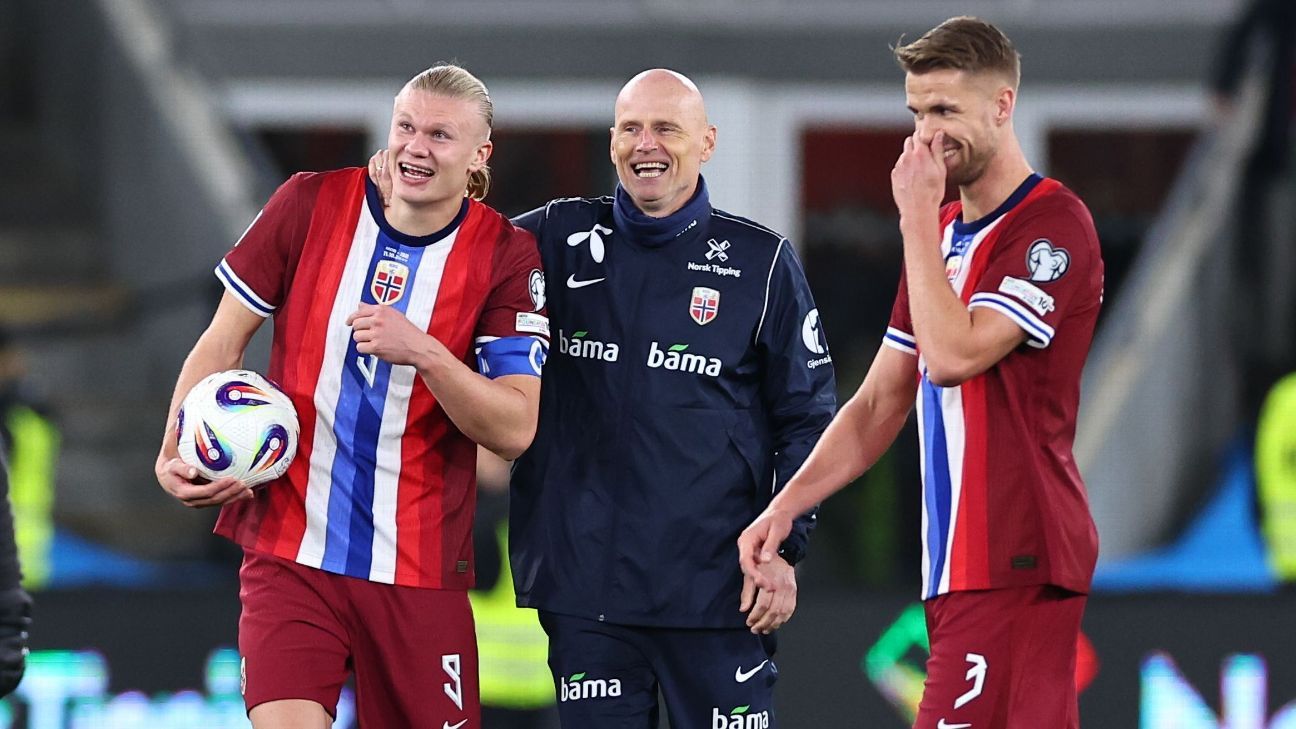
Solbakken highlights the importance of distances on the field for the team’s success. Synchronization allows Ødegaard to find passes, Haaland to time his runs, and the defense to maintain shape. Shared leadership in the team has been key, with players like Ødegaard, Haaland, and Berge taking on responsibilities. The atmosphere in the locker room is different from the past, and Haaland’s superstar status has not overshadowed the collective identity.“Solbakken’s role should not be underestimated. Some coaches are good with people, but less competent in terms of tactics, and vice versa, but he masters both aspects. He is brutally honest and direct with the players. I remember he gave Oscar Bobb the hairdryer treatment in front of the entire Ullevaal crowd a few matches ago, but he can get away with it because he is completely clear and honest.”
Erik Thorstvedt
What’s Next for Norway?
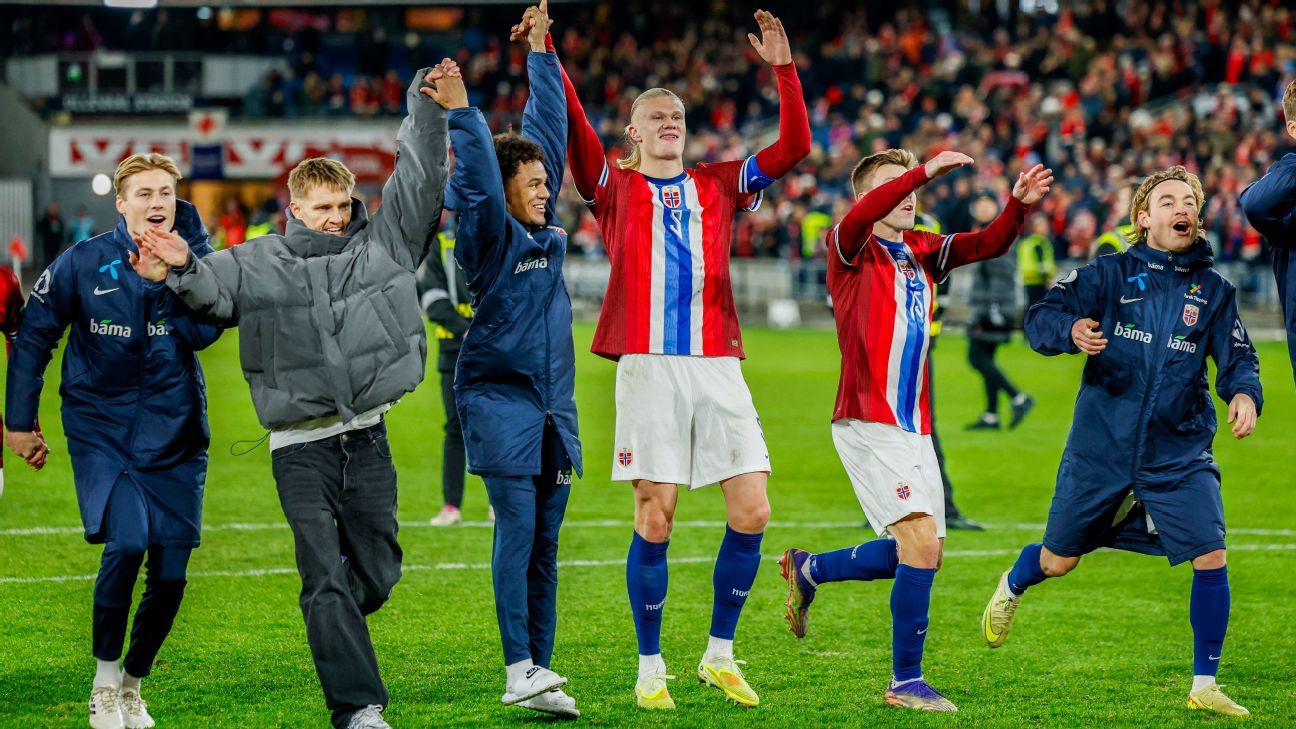
After 27 years, the hard work has paid off, and Solbakken’s emotion is one of relief and pride.“We are a combination of physical strength and technique. Remember, we don’t have Ødegaard playing tonight. We have chosen two hardworking midfielders, although they also possess excellent technique. No team can succeed by relying solely on one trait. Perhaps only Pep Guardiola’s Barcelona could achieve 100% reliance on technique.”
Ståle Solbakken