The 2024 professional tennis season officially concluded on December 22nd, when Joao Fonseca won the title at the ATP Next Gen Finals in Saudi Arabia. However, the 2025 season was already underway on December 27th with the United Cup in Australia. This tight schedule has sparked a debate about the length and intensity of the tennis calendar.
The proximity of the seasons has been criticized. Players like Jordan Thompson have called the situation “a joke”, highlighting the lack of time for rest and preparation.
I don’t know how the ’25 season starts in ’24. It seems like a joke to me.
Jordan Thompson
The accumulation of tournaments and constant travel are recurring complaints among tennis players. Alex de Minaur attributed his early exit from the French Open to “exhaustion,” while Iga Swiatek criticized the intensity of the schedule, even questioning her participation in mandatory events.
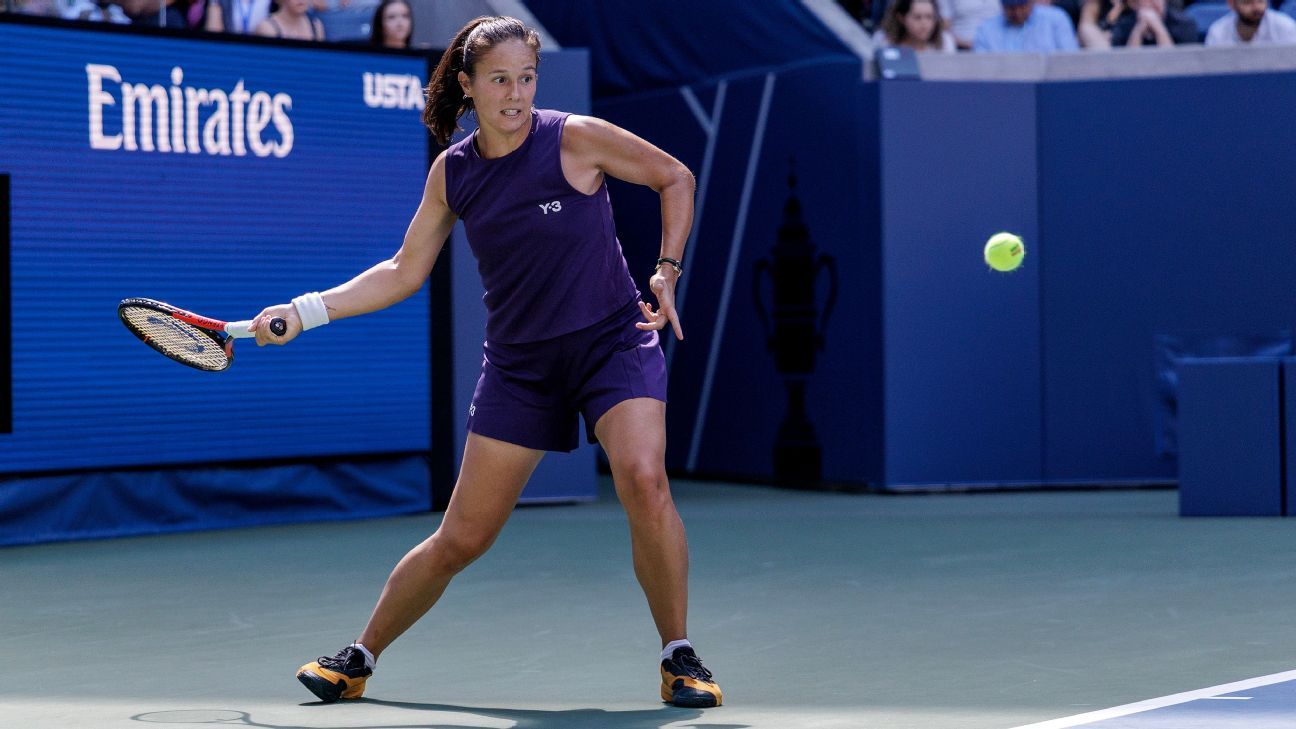
Several players, including Frances Tiafoe, Danielle Collins, Jack Draper, and Daria Kasatkina, ended their seasons early due to injuries and mental fatigue.
The truth is that I have reached a limit and cannot continue. I need a break.
Daria Kasatkina
Taylor Fritz, after a remarkable 2024 season, which included quarter-finals at the Australian Open and Wimbledon, and reaching his first Grand Slam final at the US Open, found himself with an extended season due to his achievements. Fritz pointed out the lack of rest time, with barely three weeks between the end of his season and the start of the next. He stated that “there is no off-season, and if you are a top player, you actually have even less off-season”.
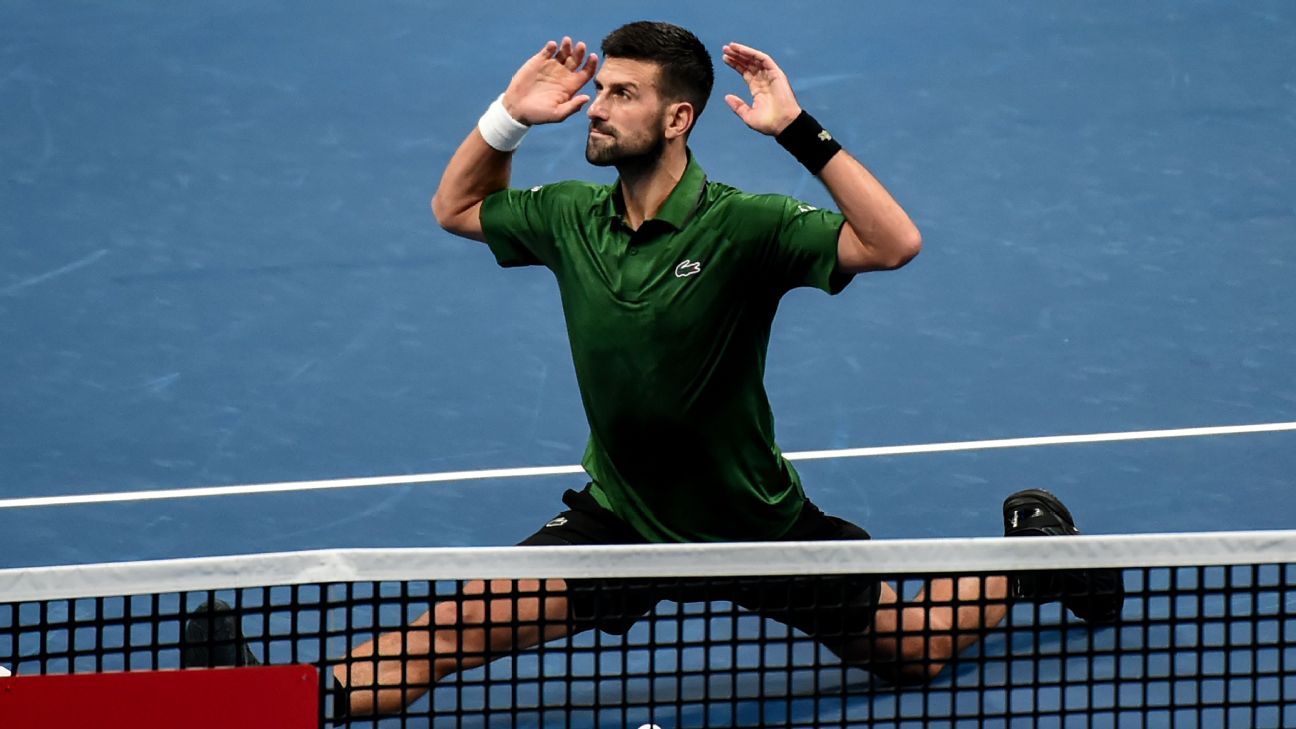
The situation is complicated by the players’ need to train during the “off-season”, which further limits rest time. For many, this period is crucial for implementing technical or personnel changes, which contrasts with the need to physically recover after a demanding season.Novak Djokovic chose to play only the most important tournaments and prioritize time with his family, demonstrating the flexibility that some elite players have. However, the demands of the circuit are high, with requirements to participate in mandatory tournaments, which generates constant pressure on the players.
Top players like Aryna Sabalenka, Iga Swiatek, Coco Gauff, Amanda Anisimova, and Madison Keys, lost points for not meeting tournament participation requirements. Swiatek even dropped in the rankings.
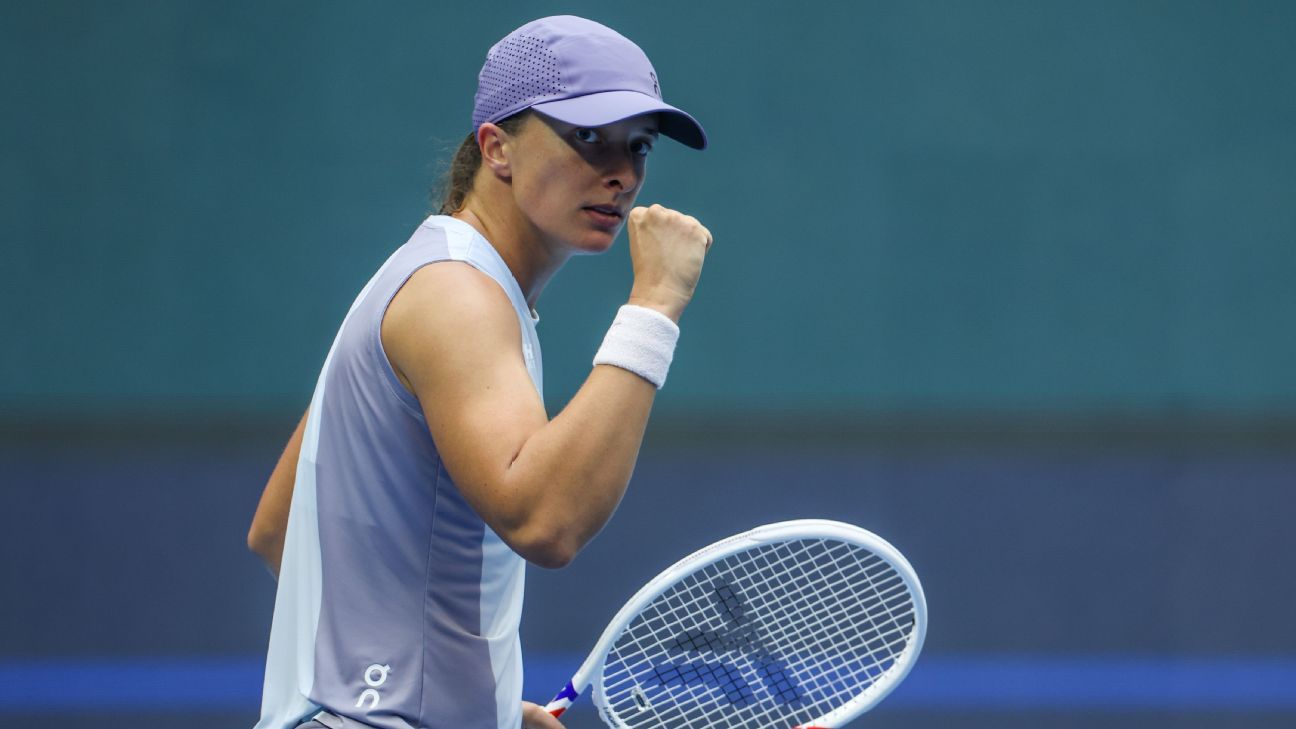
Iga Swiatek, after a match cut short due to injury at the China Open, criticized the calendar, suggesting that she might be forced to skip mandatory tournaments. “The WTA, with all these mandatory rules, has made it quite difficult for us,” she commented.The WTA has justified the extension of the 1000-level tournaments as a measure to ensure equal prize money. However, Gauff and other players have expressed that meeting all the requirements is “impossible”.
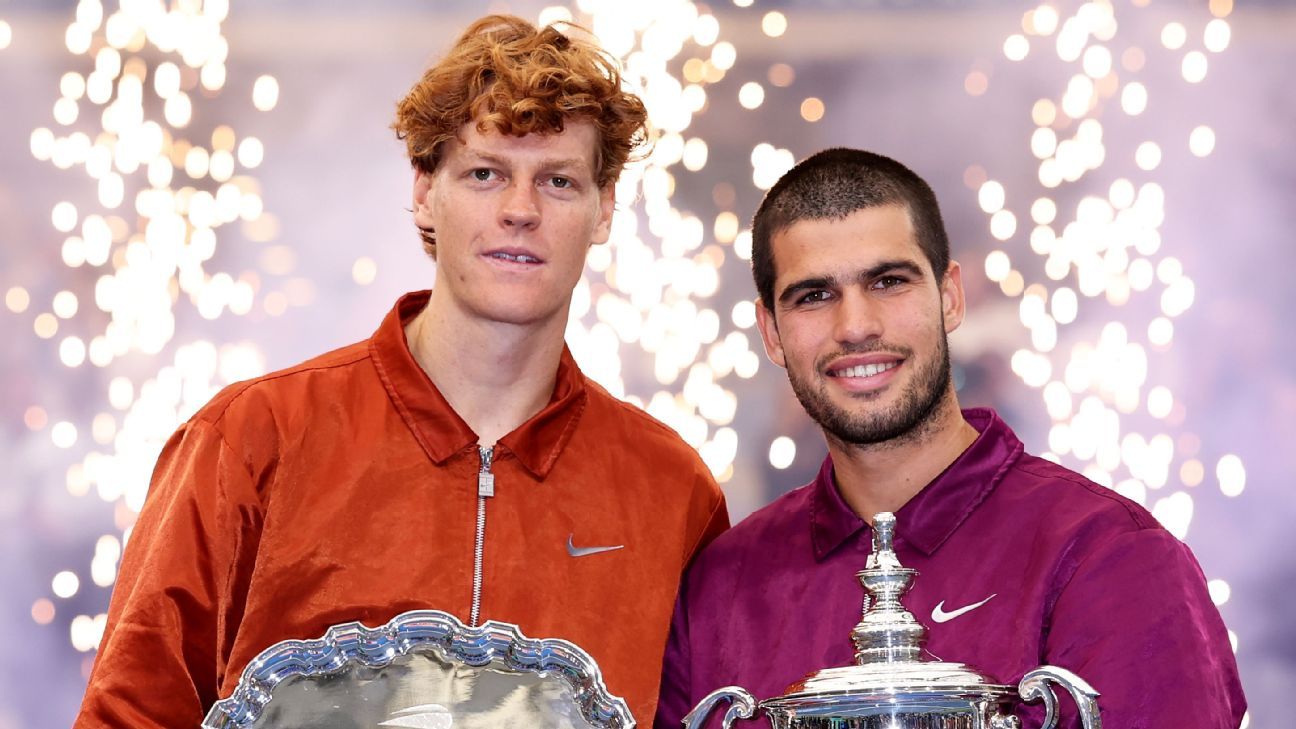
The situation of the top players was evident at the Shanghai Masters, where the high temperatures and humidity, along with the weight of the season, affected several players. Carlos Alcaraz retired due to injury, Jannik Sinner withdrew due to cramps, and Djokovic needed treatment for physical problems.
The ATP announced the addition of a new Masters 1000 tournament in Saudi Arabia starting in 2028, which will increase pressure on the calendar.
Jessica Pegula criticized the expansion of the US Open, and Brad Stine, coach of Tommy Paul, suggested that players could be less “paranoid” about losing points and take breaks when they need them. Alcaraz, who has been a strong advocate for a shorter season, has participated in exhibition events, which has generated criticism.Fritz summed up the situation by saying that “it simply needs to be shortened. It’s too much.”
Although the changes have been limited, some measures have been taken, such as moving the Billie Jean King Cup final to September. Initiatives to restructure the sport have also been proposed, but they have not achieved the necessary consensus.
Andy Roddick suggested rearranging the end-of-season tournaments, allowing 250-level events to take place after the World Tour finals. The WTA and ATP assure that the health and well-being of the athletes are a priority, and they are in constant communication with the players.
Djokovic, critical of the calendar for years, acknowledges the complexity of the issue and underlines the need for players to get more involved to achieve significant changes.