The Future of the WNBA at the Negotiation Table: Perspectives from Management
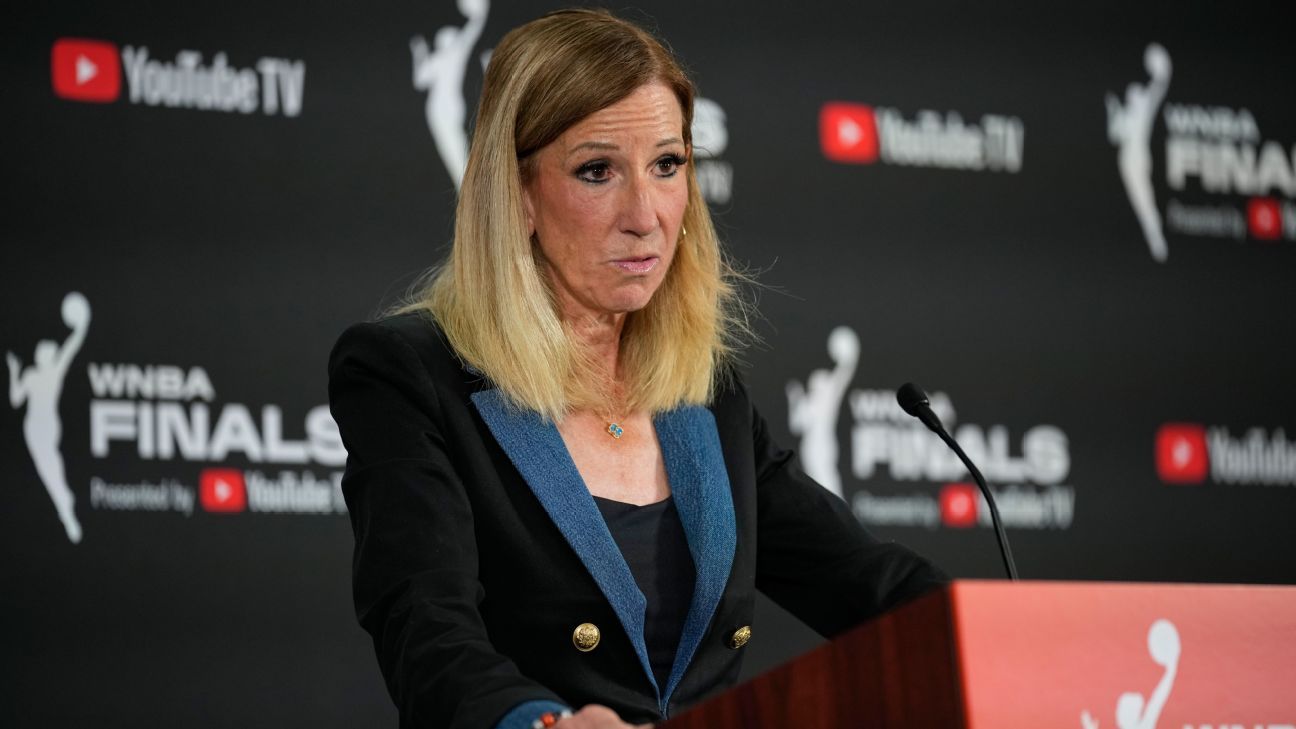
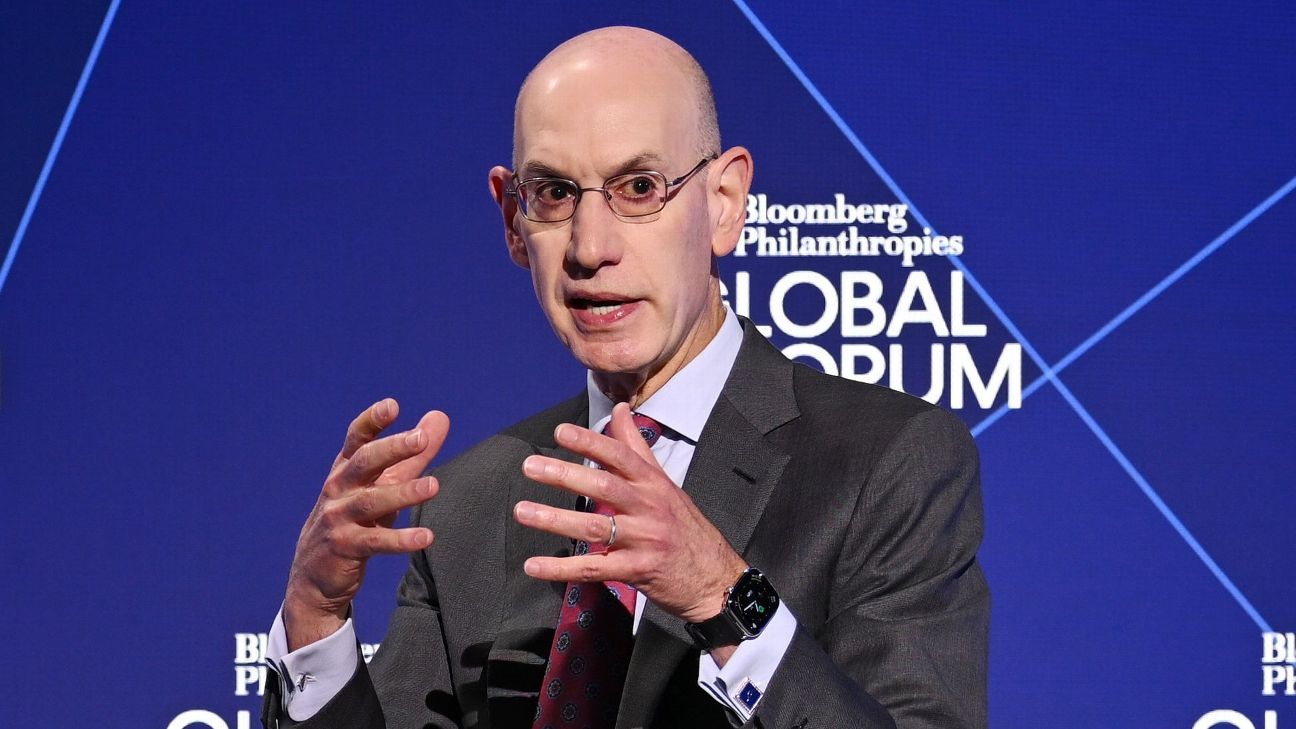
In the world of professional sports, labor negotiations are a sensitive area. In the WNBA, Commissioner Cathy Engelbert, along with NBA Commissioner Adam Silver, and team owners, are seeking an agreement that boosts the league’s growth and benefits the players. However, the Players Association has adopted a more aggressive stance, generating public debate and criticism towards the league.
The WNBA’s financial context is promising. With rising franchise valuations, a new television deal starting in 2026, and expansion to 18 teams by 2030, the league is at its best since its founding in 1997. The management’s stance focuses on maintaining this financial growth to ensure the league’s profitability, while rewarding the players for their fundamental role in this success.
The original deadline for the collective bargaining agreement (CBA) of October 31st was extended by 30 days, until the end of November. As negotiations progress, it is crucial to analyze what is at stake for the players, as well as the perspective of the management.Cathy Engelbert assumed the role of WNBA commissioner in July 2019, amidst negotiations for the previous CBA. Six years later, the league has experienced notable growth, including a $2.2 billion media rights deal, franchise valuations reaching hundreds of millions, and expansion to 18 teams.
However, the last months of his management have been challenging, with criticism of the arbitration and controversial statements from players. Engelbert faces the task of reaching an agreement that significantly increases the salaries and compensation of the players, and that, at the same time, incentivizes the investment of the owners and ensures the long-term viability of the league.
Engelbert’s future as commissioner could depend on the outcome of these negotiations, as she answers to both Adam Silver and the team owners.Adam Silver, NBA commissioner, has witnessed the development and launch of the WNBA. His goal is for the WNBA to operate independently under the umbrella of the NBA. The financial progress of the WNBA in recent years has led Silver to get more involved, especially with the interest of NBA franchises in the women’s league.
This could put pressure on the working relationship between Silver and Engelbert. The situation with the Connecticut Sun team, and the communication between all stakeholders, are examples of this. Silver seeks to have the WNBA financially consolidate as an important part of the NBA’s global brand. This CBA could define his legacy in the women’s league.
Team Owners: Investment and Expectations
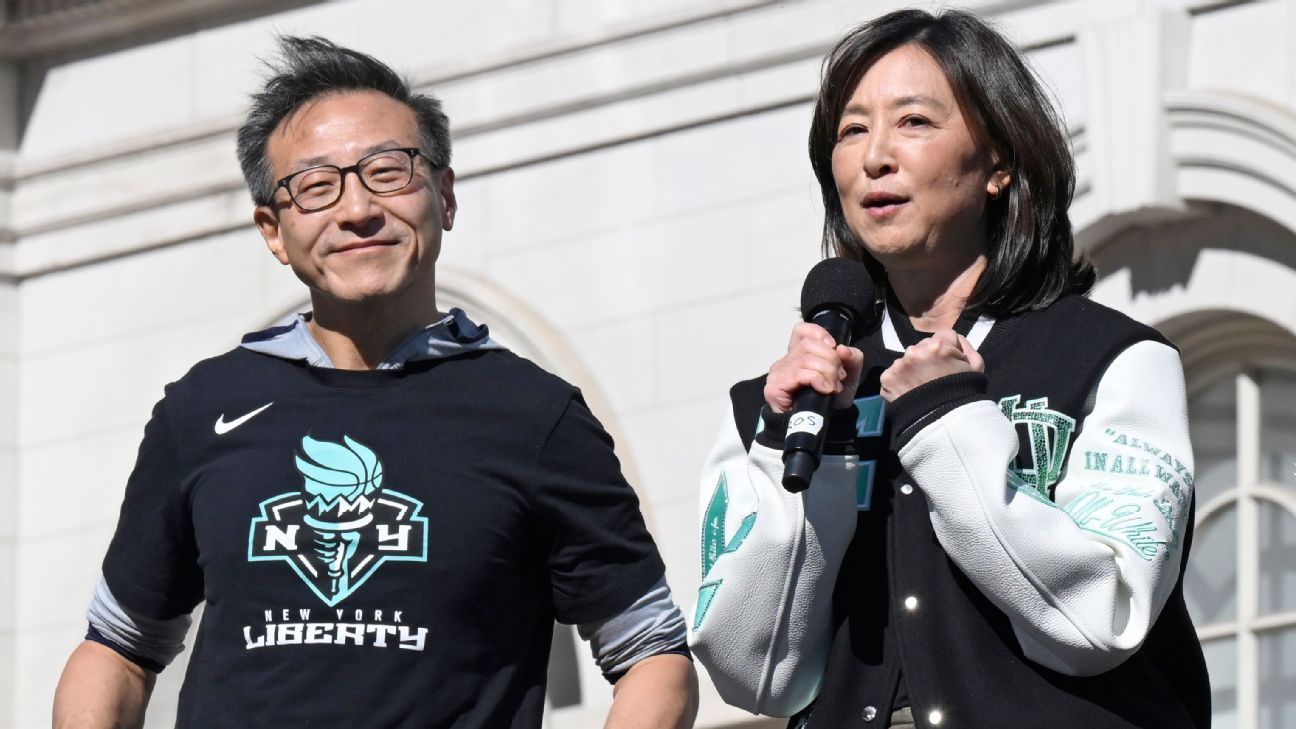
In the WNBA, there are two categories of owners: millionaires and billionaires. The willingness to invest varies among them. Joe Tsai, owner of the New York Liberty, has demonstrated his commitment to the franchise. Others, like Joe Lacob (Golden State Valkyries), Mark Davis (Las Vegas Aces), and Mat Ishbia (Phoenix), also belong to this group, investing in first-class facilities.
These owners, who also own NBA or other professional sports teams, see the WNBA as an investment. They are willing to give the players a larger share of the revenue, relying on the continued profits from attendance, jersey sales, and other sources. They see the WNBA as a business that, as long as it generates profits, will continue to receive investment.
Independent Owners: A Legacy of Strength
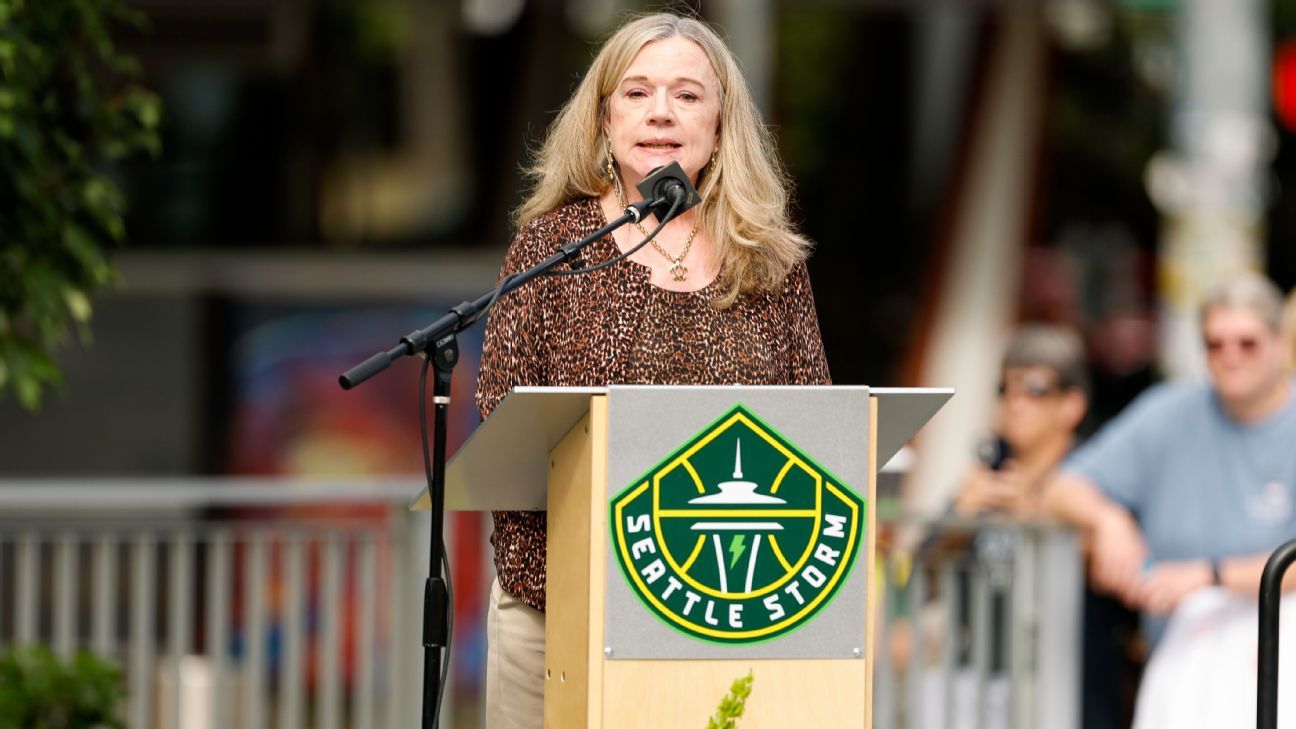
Independent owners, such as the Seattle Storm and the Connecticut Sun, played a crucial role in keeping the WNBA afloat in its early years. Although they are now outnumbered by NBA owners, their focus on cost containment and a level playing field remains relevant.
These owners, with more limited resources, seek to balance investment and fair play. They argue in favor of recovering losses incurred in the past. Despite this, they continue to invest, as demonstrated by the construction of state-of-the-art practice facilities.
Expansion Teams: The Promising Future
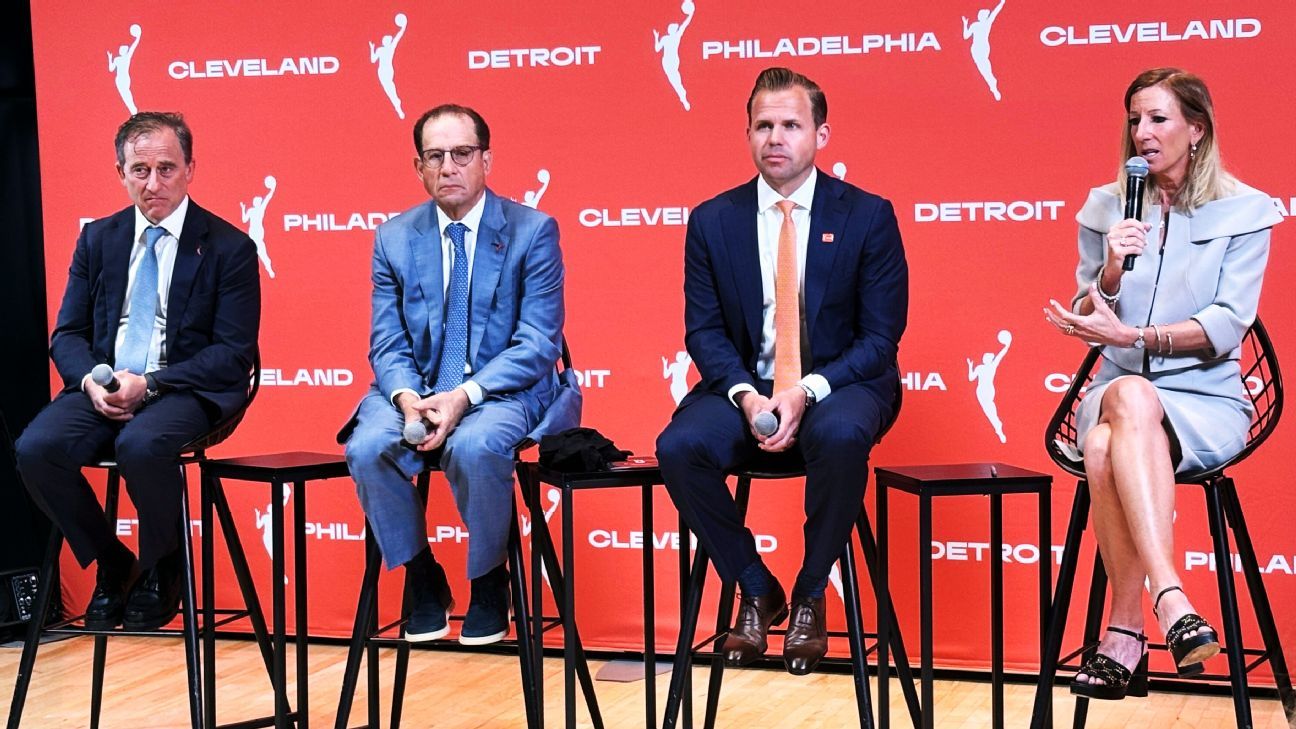
Following the successful debut season of the Valkyries as an expansion team, five new teams are preparing to enter the league. The Detroit, Cleveland, and Philadelphia franchises, with owners who also own NBA teams, paid an expansion fee of $250 million. The Portland and Toronto teams, which will debut in 2026, are eagerly awaiting the new CBA, as the rules for the expansion draft must be negotiated.
General Managers: The Impact on Team Building
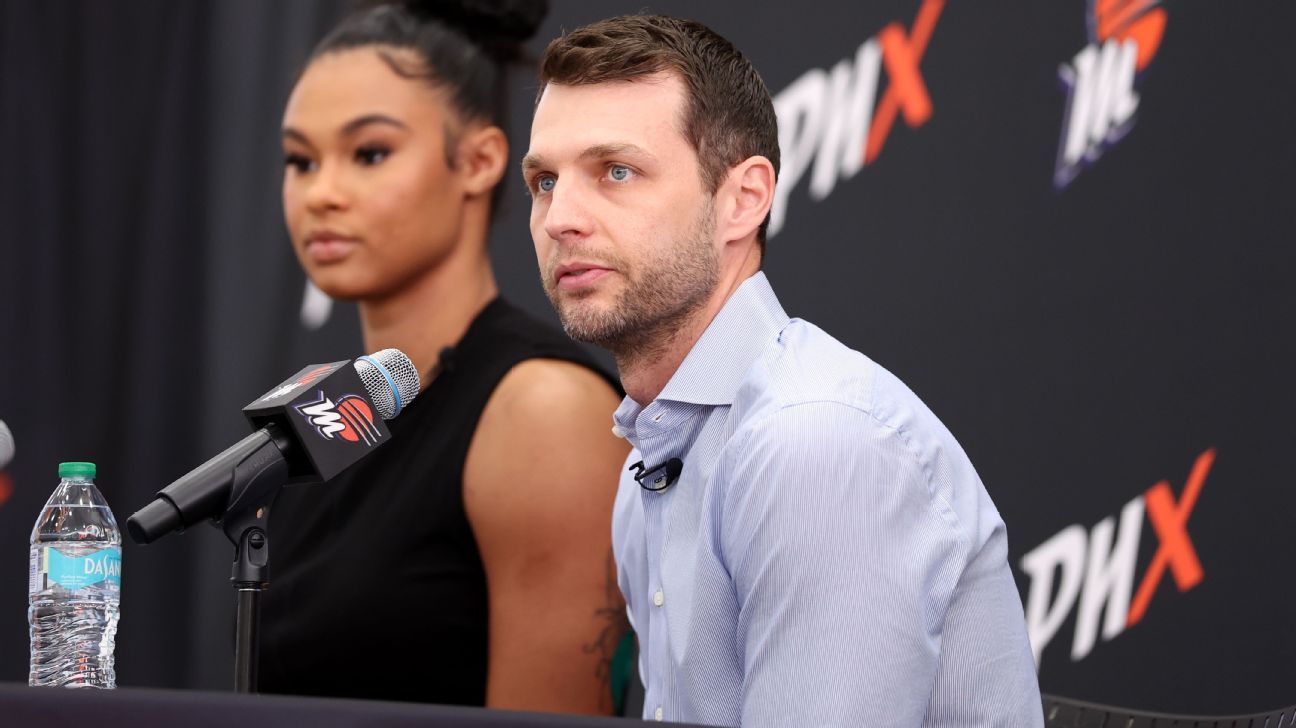
Although general managers are not directly represented at the negotiating table, the rules established in the CBA directly impact roster construction and financial distribution between owners and players. Executives like Jonathan Kolb (New York Liberty), Ohemaa Nyanin (Golden State Valkyries), and Nick U’Ren (Phoenix Mercury) will observe how the new CBA offers greater flexibility.
The WNBA’s rigid salary cap has led to difficult decisions. General managers need to know how the league will handle the upcoming expansion drafts, starting with Portland and Toronto, in order to build competitive teams.
Coaches: Influence on the Game and the Future
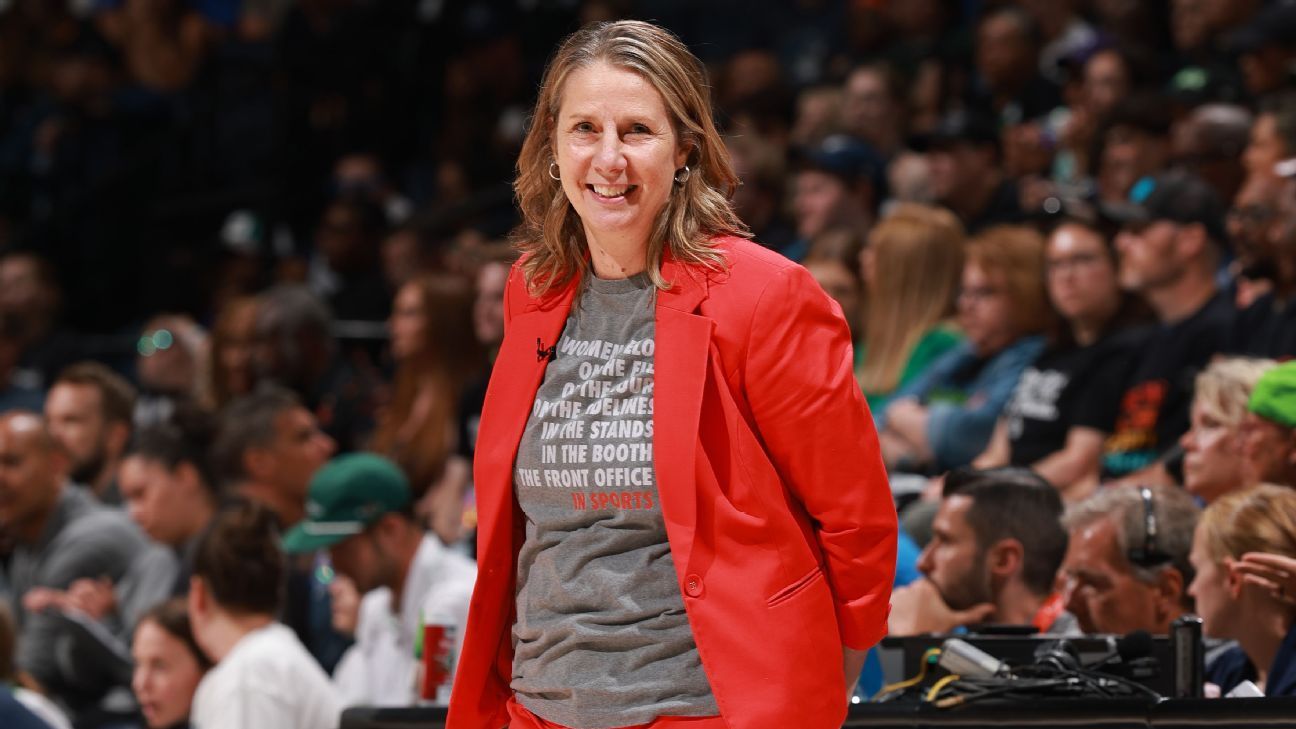
The new CBA will have a significant impact on coaches, such as Cheryl Reeve (Minnesota Lynx), Sandy Brondello (Toronto Tempo), and Becky Hammon (Las Vegas Aces). This agreement will affect aspects such as priority rules, roster size, and team building. Improvements in refereeing, if addressed in the CBA, will also be crucial.
The coaches, who are also advocates for women’s empowerment, want a financially stable and growing WNBA. Although they are not directly involved in the negotiations, their investment in the future of the league is undeniable.