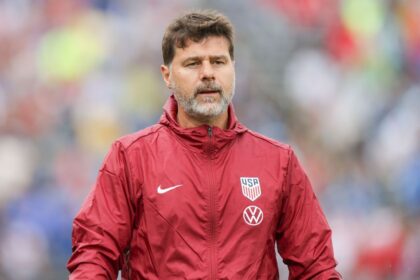
Ruben Amorim Dismissed from Manchester United After 14 Months
Doubts about Ruben Amorim’s performance at Manchester United began to arise from the beginning. Sir Jim Ratcliffe, minority owner and in charge of the club’s football operations, gathered his executives shortly after Amorim took over in February 2024. In that meeting, Ratcliffe announced that the team’s style of play “would be determined in this room.” This surprised some of those present, who knew that Amorim, upon the dismissal of Erik ten Hag in November, had a specific training philosophy and did not usually compromise. Ratcliffe was warned that hiring Amorim was a risk. It was pointed out that adapting the team to a 3-4-3 system, preferred by Amorim after his success with Sporting CP, would require a millionaire investment that the club did not have available.Analysis: Manchester United must hire a renowned coach after Amorim’s departure.
Every time Amorim spoke about his work situation at Manchester United.
Amorim was fired as Manchester United coach after 14 months.
Despite these warnings, Ratcliffe proceeded with the hiring. However, the results were not as expected. On Monday, Amorim was dismissed after 14 months and only 24 wins in 63 matches. His win percentage of 31.9% is significantly lower than that of any other permanent manager since Sir Alex Ferguson’s retirement in 2013.
How the relationship between Amorim and Manchester United deteriorated
CEO Omar Berrada and director of football Jason Wilcox were in charge of communicating the news to Amorim in person on Monday morning at Carrington. The announcement came less than 24 hours after Amorim’s controversial press conference following the 1-1 draw with Leeds United on Sunday. In that conference, Amorim demanded to be seen as a “manager, not a coach” and urged the club’s directors, insinuating Wilcox, among others, to “do their job”. From the moment Amorim publicly criticized his employers, the die was cast.On Monday, United sources insisted that the decision was not made solely due to the deterioration of Amorim’s relationship with the club’s directors, especially with Wilcox, but rather because there were not “enough signs of evolution or progress” on the field. Amorim only won 15 of his 47 Premier League matches, but it is difficult to forget the moment of his dismissal, so soon after his comments at Elland Road stadium.
Initial doubts about Amorim also influenced Dan Ashworth’s departure as football director in December 2024. Ashworth had shown interest in appointing a coach with Premier League experience, but lost the battle and was fired a month later. It didn’t go unnoticed by some former United employees that, in the summer, the club invested around 130 million pounds in signing players with experience in the Premier League, such as Bryan Mbeumo and Matheus Cunha, but didn’t apply the same logic when choosing their coach. However, there were also reservations about Amorim outside the board. The United players were optimistic when he was appointed. Many were tired of Ten Hag’s strict and sometimes uncomfortable personality and were ready for a change. Although Amorim’s reputation as a charismatic communicator was immediately evident, his immediate impact in other areas was disappointing. Some players described their training methods as “basic”. Emphasis was placed on tactical rehearsals in the indoor court of the academy building, while Amorim desperately tried to get his players to understand his 3-4-3 system. Players who weren’t participating in the sessions often had to stand on the sidelines and watch. Sometimes, during the sessions, Amorim would get so frustrated that he would physically drag players across the court until they reached what he considered the “correct” positions. Finally, his stubbornness with United’s formation became a problem. According to United sources, Amorim initially indicated his willingness to adapt and evolve his system and style, but never seemed to do so. It wasn’t an ideological battle between playing with three and four defenders, but rather about sending his team to dominate matches and be more offensive, instead of what was internally considered a sometimes overly conservative approach.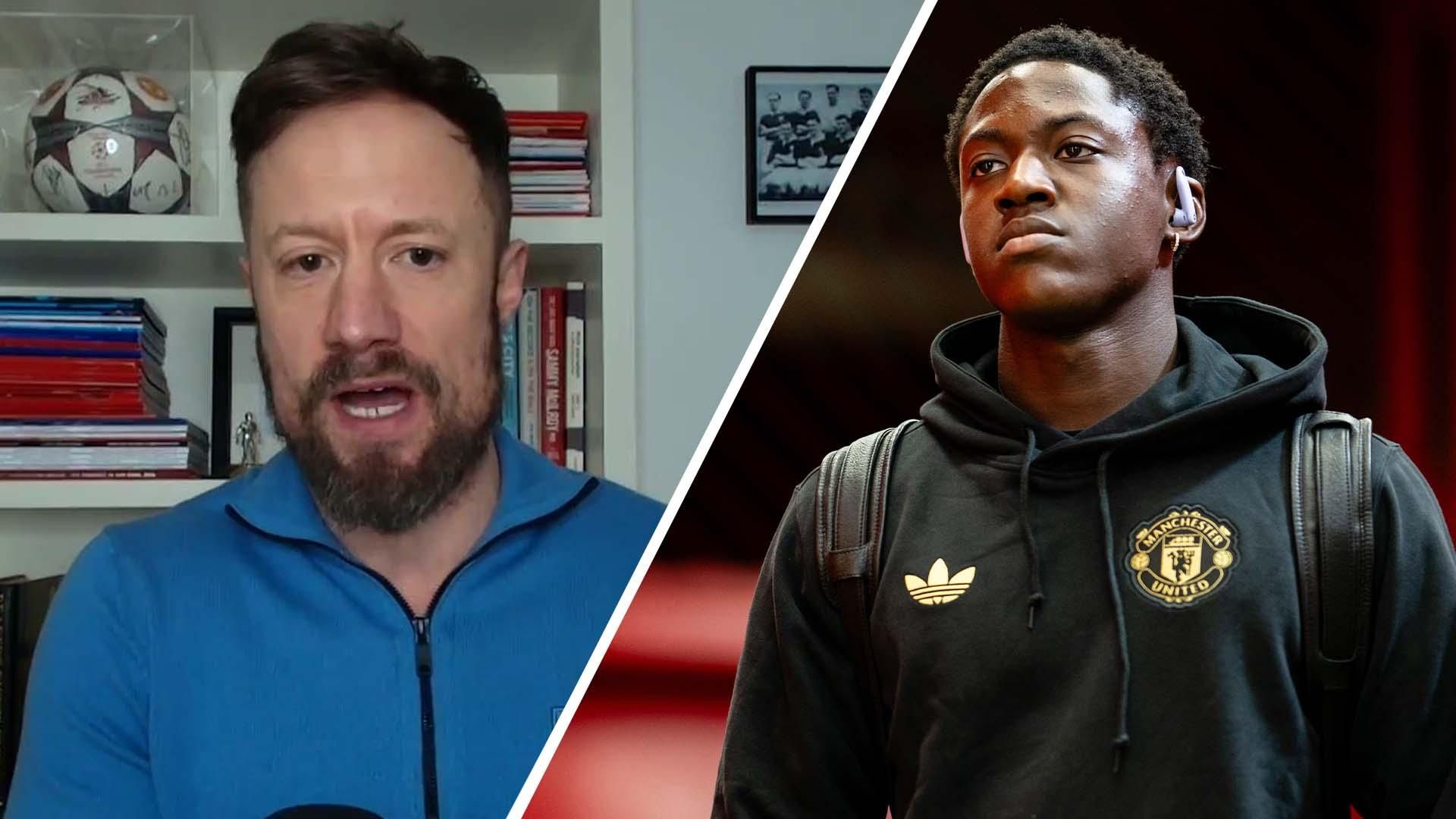
Does Amorim’s exit offer a future to Mainoo and Rashford at Manchester United? Rob Dawson wonders if Kobbie Mainoo and Marcus Rashford have the opportunity to revitalize their careers at Manchester United following Ruben Amorim’s dismissal.
In an explosive meeting with Wilcox on Friday, organized as an assessment after the 1-1 draw with Wolves on December 30, Amorim was urged to be more proactive in the way he prepared his players. United played well in the first half against Newcastle on Boxing Day with four defenders, and eventually won 1-0. But against Wolves four days later, Amorim returned to three defenders in order to match Rob Edwards’ team, despite the visitors arriving at Old Trafford with only two points in 18 games. Wilcox questioned the decision, and Amorim reacted badly to the comments. According to sources, Wilcox conveyed the message in a calm and measured manner, but was met with what has been described as an “overly emotional” response. Sources with knowledge of the meeting said that Amorim “exploded”, which followed a pattern in recent weeks of what sources characterize as Amorim’s growing unwillingness to dialogue with managers about tactics and team configuration, designed to be constructive. Meanwhile, Amorim considered that the questions interfered with his area of responsibility and, according to sources close to the coach, believed that the pressure to change his system was influenced by the continuous criticism from former players in the media, including Gary Neville and Paul Scholes. It was notable that, during his post-match comments in Leeds, Amorim said: “If people can’t handle Gary Neville and the criticism of everything, we need to change the club.” The tactics of United against Wolves backed a growing feeling within the club that Amorim and his staff had come to fear the Premier League and that he was more concerned with containing even the worst teams rather than trying to attack. Although these feelings have existed since the end of last season, that 1-1 draw against the worst team in the Premier League was enough for several members of United’s staff to lose faith that Amorim was the right man.Problems with Manchester United players and their way of playing
There were moments during his tenure when Amorim had doubts. According to sources inside and outside the club, he had to be convinced to stay in January 2025 after a particularly bad run of results. After a match last February, Amorim revealed to a source that he knew United wouldn’t win just by watching his players tie their shoelaces before the warm-up. In the same conversation, Amorim confided his fear that the club was “broken” and that he didn’t know how to fix it because the players he had inherited were “fragile.” In particular, he was surprised by what he considered a lack of physicality within the team and, on numerous occasions, Amorim got angry because the players lost individual duels too often. Although Ten Hag’s training involved a lot of running, Amorim asked his players to spend more time in the gym, especially during the summer tour of the United States. There were also problems off the field. Amorim was hired, in part, for his reputation as a good communicator, something that Ten Hag lacked, but he repeatedly encountered problems. His comments after a defeat to Brighton in January 2025, that the team was “perhaps the worst” in the club’s 147-year history, were not well received in the locker room, according to sources close to the team. United’s hierarchy was even more alarmed, a club source told ESPN, when Amorim made indirect remarks about striker Benjamin Sesko and defender Patrick Dorgu earlier this season, and also expressed his dissatisfaction with his criticisms of the academy. In the summer, Amorim was told to be more cautious with his public comments. However, he insisted that if he had to do interviews, he would use them to send public messages to the players in the hope that this would provoke a positive response. This strategy failed last season, when a veteran player was criticized for lack of intensity in matches and found out by reading the quotes on his phone. The coaching staff said that kind of criticism should have been done face to face. Then, in another television interview last season, Amorim was so frank about a player that the club felt it was better to ask the broadcaster to remove the comments before they were aired. The broadcaster agreed.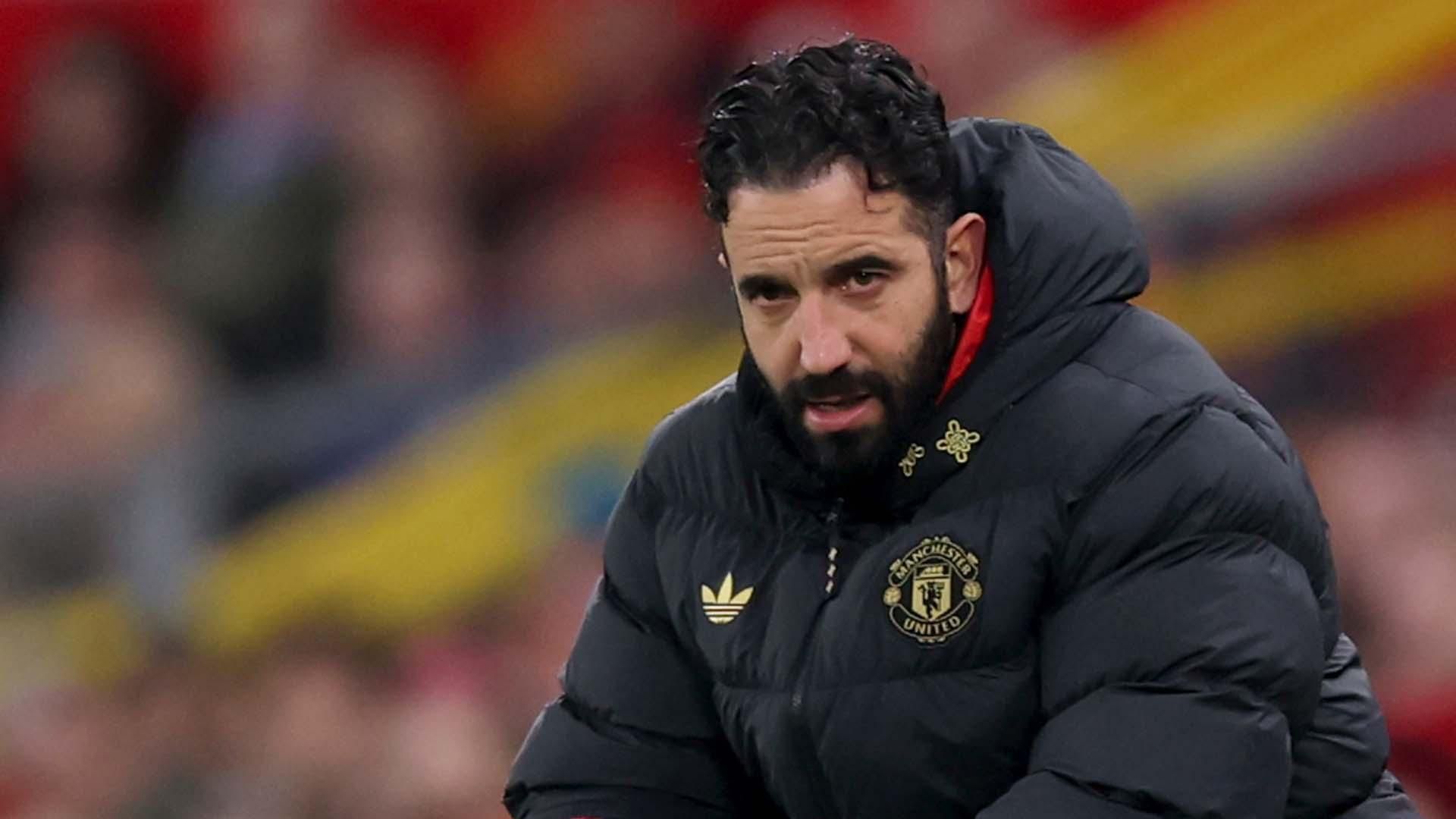
Was the job at Manchester United “too big” for Ruben Amorim? Julien Laurens explains what went wrong for Ruben Amorim at Manchester United after being sacked after 14 months at the club.
Amorim was hired to connect with the players, having been a player at Benfica and Braga, but he proved to be much more distant with the team than expected. He compartmentalized everything and did not get involved in areas he did not consider his responsibility, often letting the coaches and staff take care of their tasks without interference. It was a deviation from Ten Hag’s style, with the Dutchman always willing to know everything, including travel plans for matches and players’ commitments to the media. In the summer, Amorim said he created a six-man leadership group consisting of Bruno Fernandes, Lisandro Martínez, Diogo Dalot, Harry Maguire, Noussair Mazraoui, and Tom Heaton because: “There are some things that I had to face in the last year.” The inference was that he wanted the dressing room to self-manage, although there were times when he played a supporting role. After young defender Leny Yoro looked visibly upset following a mistake against Crystal Palace in November, Amorim took time in the days after the match to take the French international aside and show him a video containing only the things he had done well at Selhurst Park. Amorim tried to connect players better with fans by changing the pre-match routine at Old Trafford so the team arrived when a crowd of fans gathered at the entrance; players were also told they had to stop for photos and autographs before or after matches. Amorim used to spend almost an hour with the fans after the matches, regardless of the time or weather, but his disappointment was noted after the draw against Wolves, when he went straight to his car with his family. In addition to trying to build a relationship with the fans, Amorim also strived to build a team spirit that he felt was lacking when he arrived. Players returning to training after an injury or celebrating appearance milestones were greeted with pats on the head before each session. He ordered that small, circular tables be replaced by two long tables, to prevent cliques from forming at mealtimes, and there was a “family day” organized at Carrington after the damaging Carabao Cup defeat to League Two side Grimsby Town in August. Amorim was annoyed, according to a source familiar with the situation, when some players did not attend a barbecue organized after the defeat in the Europa League final against Tottenham at a time when he felt they needed to stay united. For him, the team’s unity was important: the players were asked to stay after training for birthdays, each of them celebrated with a personalized cake and a speech. For Amorim, speaking in public was considered a vital tool for the growth of what he considered a young group. However, if he had had his way, he would have worked with more high-level professionals instead of what he considered a developing team.