
Jim France Testifies in NASCAR Antitrust Trial
On the eighth day of the federal antitrust trial against NASCAR, series chairman Jim France offered more solid testimony. France, the last defense witness, explained how the principles instilled by his parents influenced his stance on granting permanent charters to teams.
The trial, which has captured the attention of the motorsports world, focuses on the lawsuit filed by 23XI Racing, owned by Michael Jordan, Denny Hamlin, and Curtis Polk, along with Front Row Motorsports, owned by Bob Jenkins. Both teams refused to sign NASCAR’s new revenue sharing agreement. Jim France, 81, recounted how his mother taught him to “always pay his bills” and his father advised him to “do what you say you’re going to do.” These principles were key in his decision not to concede on permanent permits in the 2025 revenue sharing agreement.I don’t have a clear vision of the future and I don’t feel comfortable making a promise that I can’t keep forever.
Jim France
This thought aligns with the testimony of NASCAR commissioner Steve Phelps, who described the final agreements presented to the teams on September 6, 2024. Phelps explained that the delay in sending the final drafts was due to France promising Roger Penske, owner of Indianapolis Motor Speedway and IndyCar, that he would speak with him personally before delivery. Communication with Penske was finally finalized around 5 p.m., with a midnight deadline to sign the agreements.
Jim France’s image as a man of his word was reinforced by Phelps’ testimony.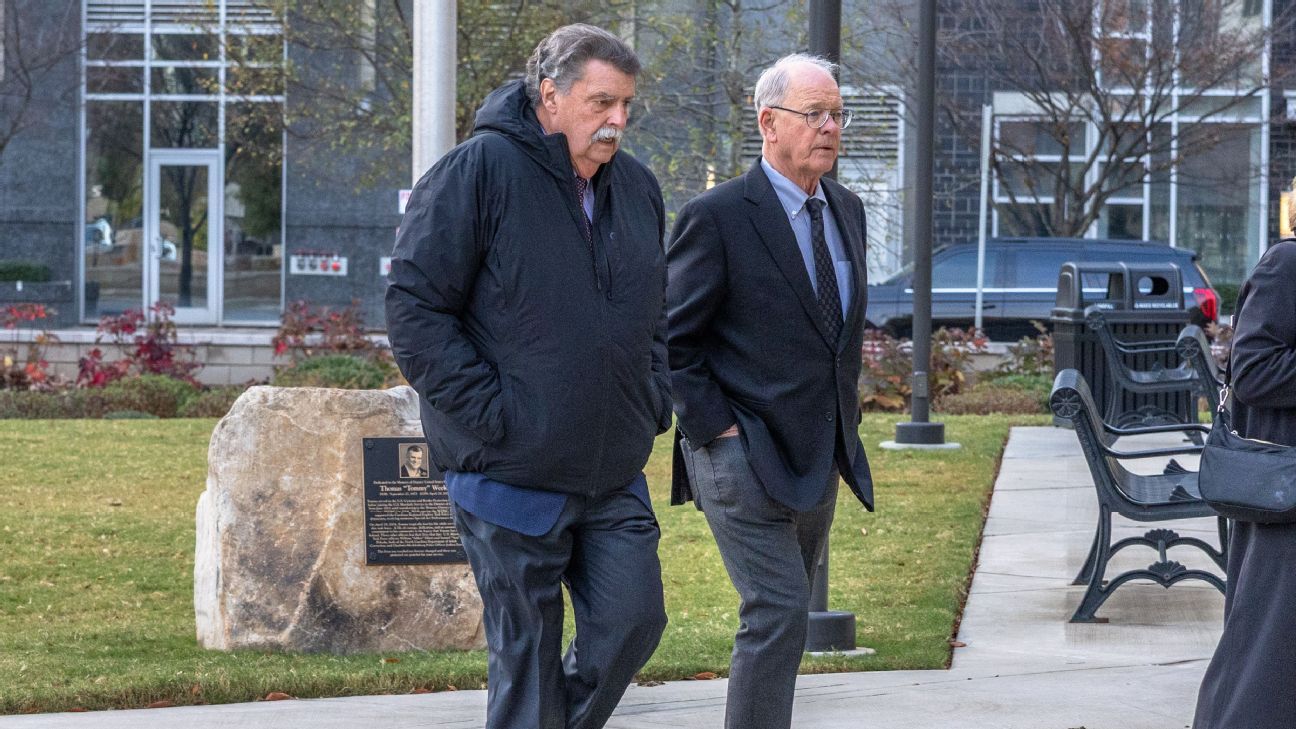
Although the September 2024 agreement increased the annual revenue promised to the teams, it did not meet their demands of $720 million, nor the four “pillars” requested. The teams received $431 million in additional revenue, but did not obtain permanent permits, nor a voice in governance, nor terms on new sources of income.
NASCAR presented its defense, calling an executive to testify about the current costs of race cars, its CFO, who stated that NASCAR did not have the funds to pay the amounts requested by the teams, and a renowned accountant. The evidence presented shows that the main NASCAR team owners wrote personal letters requesting France to make the renewable permits permanent. The plaintiffs also presented documents detailing the communication between NASCAR executives, showing France’s opposition to permanent permits during the negotiations. The permit system is similar to the franchise model in other sports. In NASCAR, a permit guarantees cars a place in the race each week, as well as specific financial terms. The jury will have to decide whether NASCAR violated antitrust laws and, if so, what the damages are for 23XI and Front Row. An economist previously testified that NASCAR owes 23XI and Front Row $364.7 million in damages, and that NASCAR reduced to 36 teams with permits $1.06 billion from 2021-24. Mark E. Zmijewski, a professor at the University of Chicago School of Business, testified that the economist’s calculations are incorrect, as the model used took Formula 1 as a reference, which has a higher growth and profitability rate than NASCAR. NASCAR is expected to conclude its case on Friday.